Shoulder
Top of Shoulder
Pain on top of the shoulder often involves the supraspinatus, upper trapezius, or the acromioclavicular joint. It is common in people who carry heavy loads, perform overhead work, or have stress-related muscle tension in the upper traps.
Medical Disclaimer
This information is for educational purposes only and does not constitute medical advice. Consult a qualified healthcare provider for proper diagnosis and treatment of any pain or medical condition.
Common Causes
Supraspinatus tendinitis or tear
Acromioclavicular joint sprain or arthritis
Upper trapezius tension from stress or poor posture
Subacromial bursitis
Referred pain from cervical spine issues
Muscles in This Area
6Shoulder
supraspinatus
The supraspinatus tops the rotator cuff on scapula's fossa, initiating shoulder abduction. Vital for overhead presses and impingement prevention in weight training.
Shoulder
deltoid
The deltoid is the rounded shoulder cap muscle with anterior, middle, and posterior fibers covering the shoulder joint. It abducts, flexes, and extends the arm for raises and presses. Builds the V-taper and protects the rotator cuff.
Upper Back
trapezius
The trapezius is your large, diamond-shaped upper back muscle from neck to mid-back and shoulders. It elevates, retracts, and depresses the scapulae for shrugging, pulling, and posture. Essential for overhead lifts, neck stability, and preventing rounded shoulders.
Upper Back
Descending part of left trapezius
The descending part of the left trapezius fibers run downward from neck to scapula on the left side, aiding scapular depression and upward rotation. Key for pull-ups and lat work, preventing shoulder hike.
Upper Back
Descending part of right trapezius
The descending part of the right trapezius fibers slope from occiput to right scapula, depressing and upwardly rotating the scapula. Essential for balanced shoulder mechanics in bilateral lifts.
Neck
levator scapulae
The levator scapulae runs from the upper neck vertebrae to the top of the shoulder blade, lifting the scapula toward the head. It's key for shrugging motions and stabilizing the shoulder during overhead lifts. Gym-goers target it indirectly through shrugs and neck training to prevent shoulder hikes and imbalances.
Stretches That May Help
Recommended Exercises
12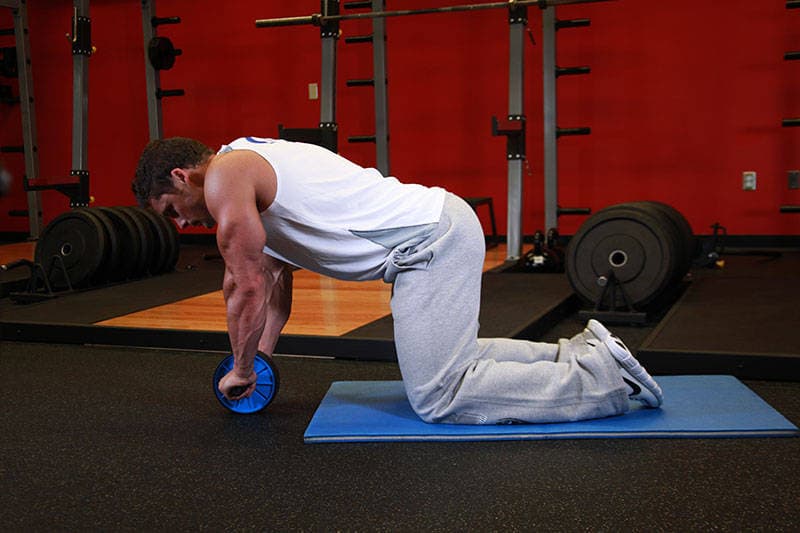
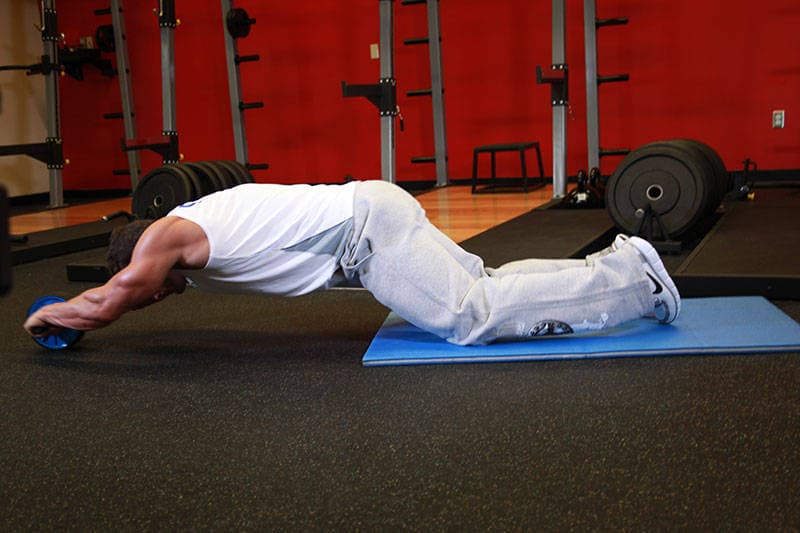
Ab Roller
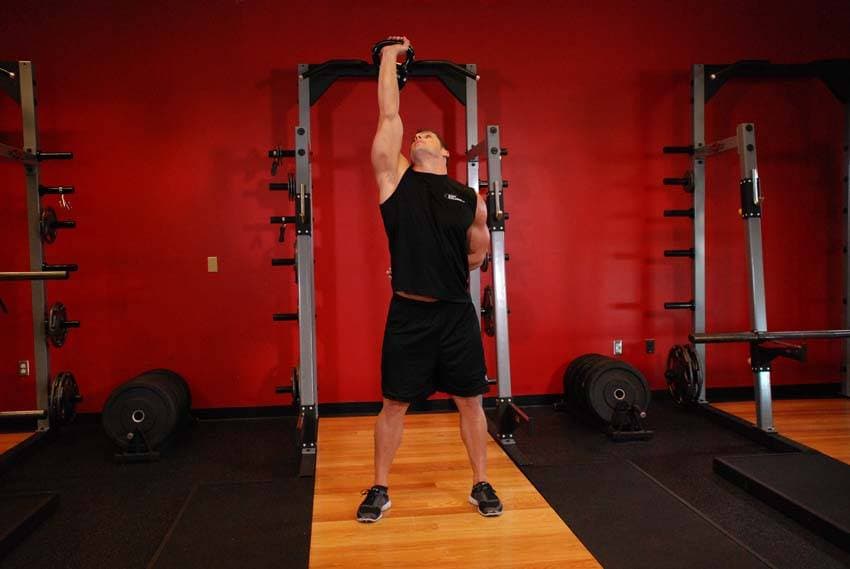
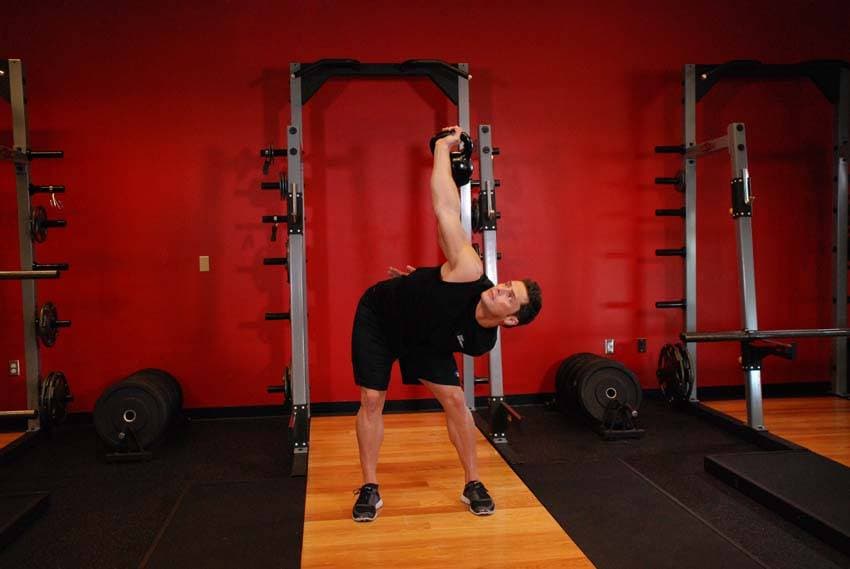
Advanced Kettlebell Windmill
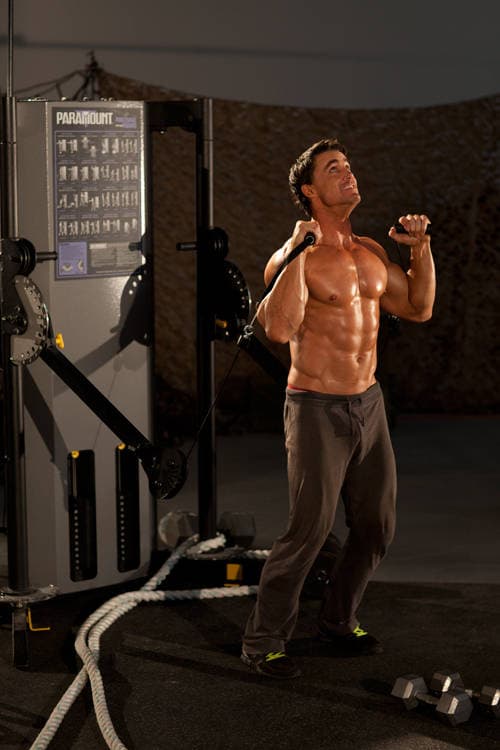
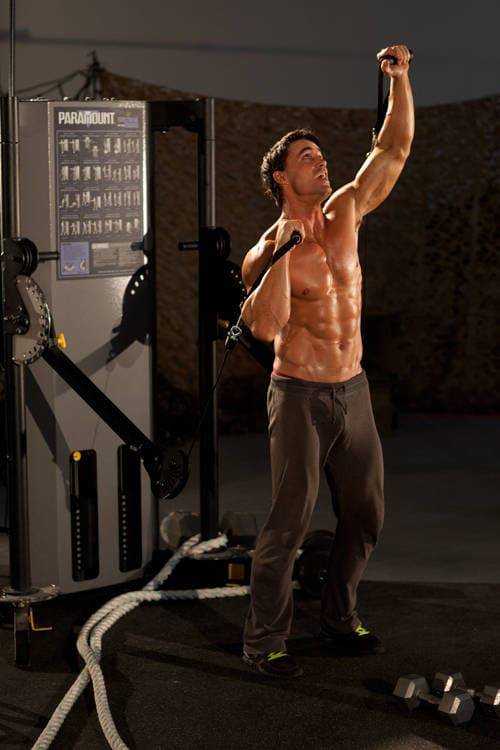
Alternating Cable Shoulder Press
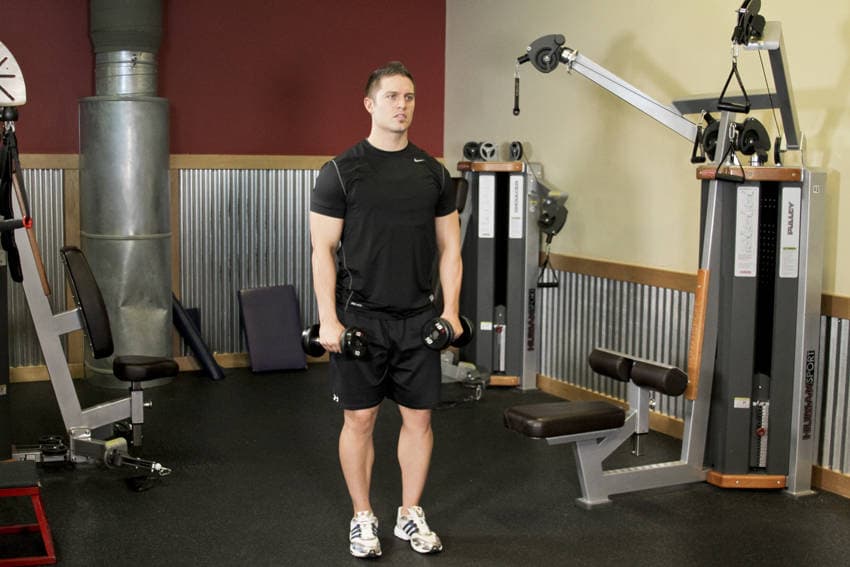
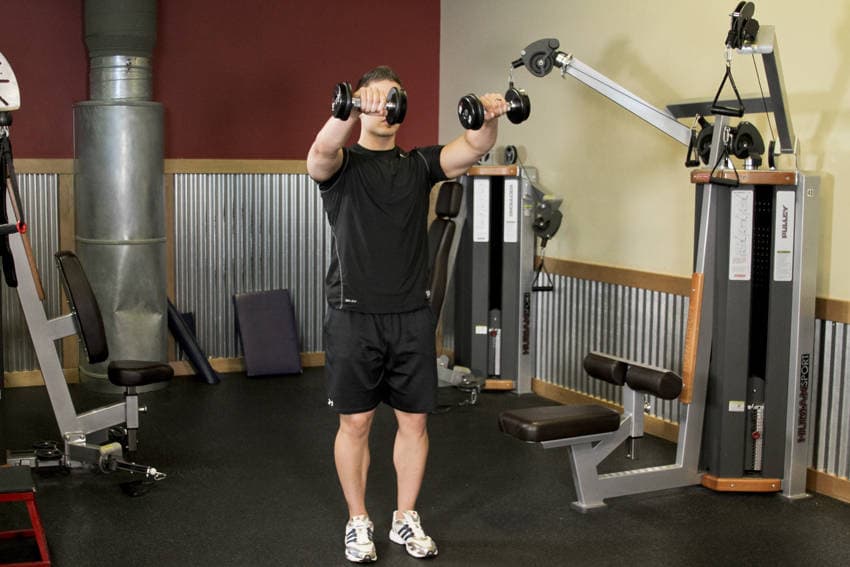
Alternating Deltoid Raise
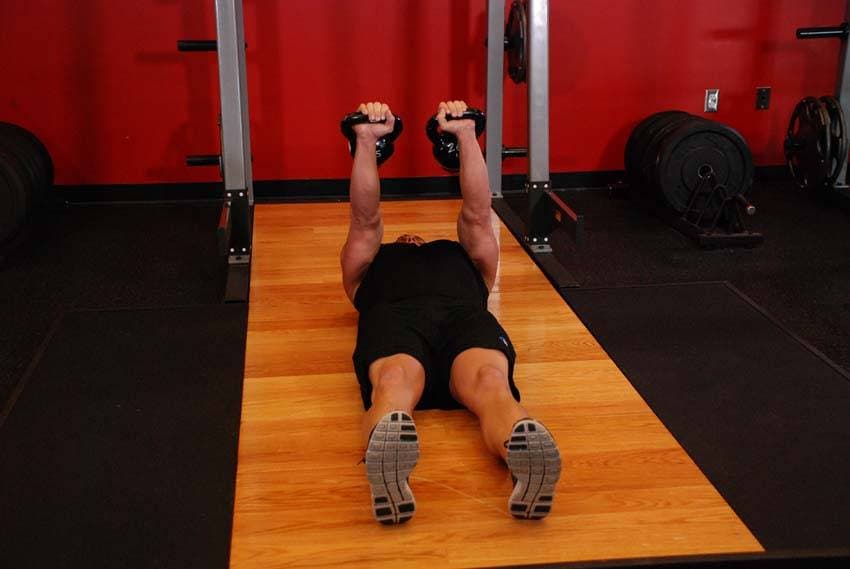
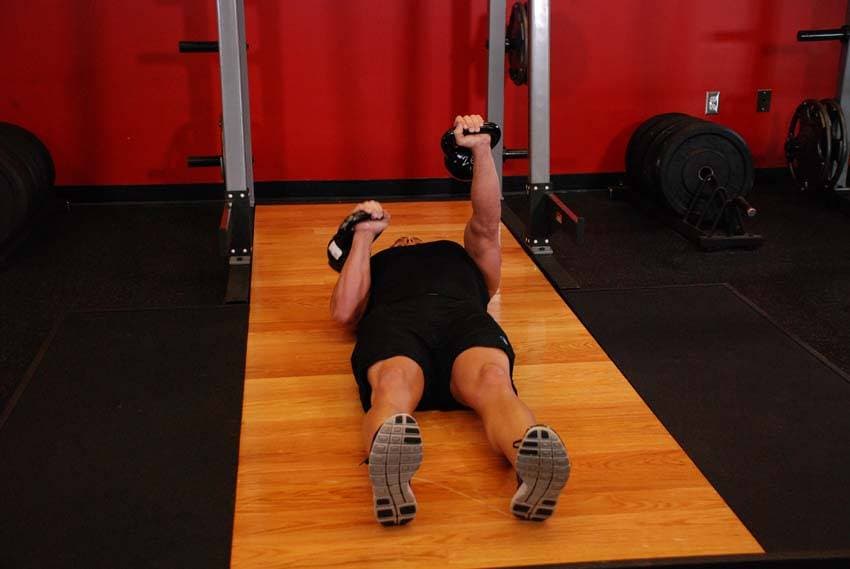
Alternating Floor Press
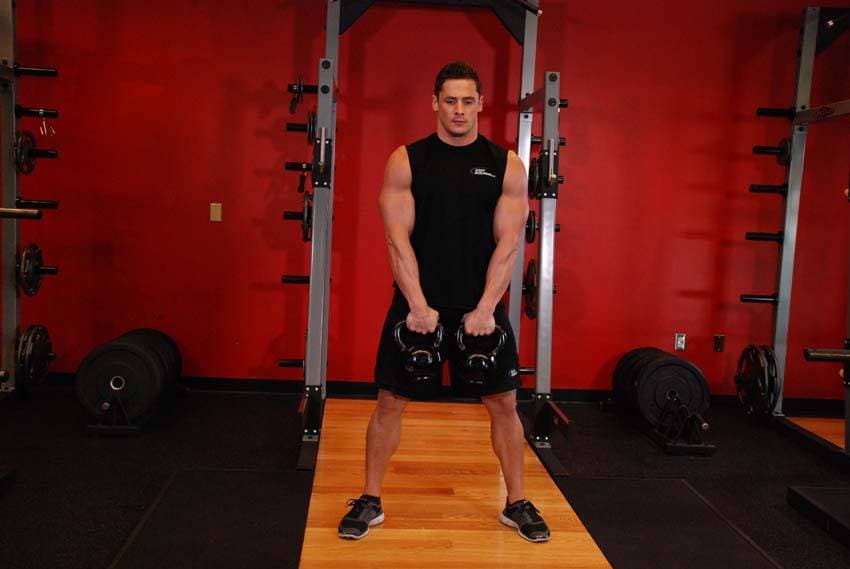
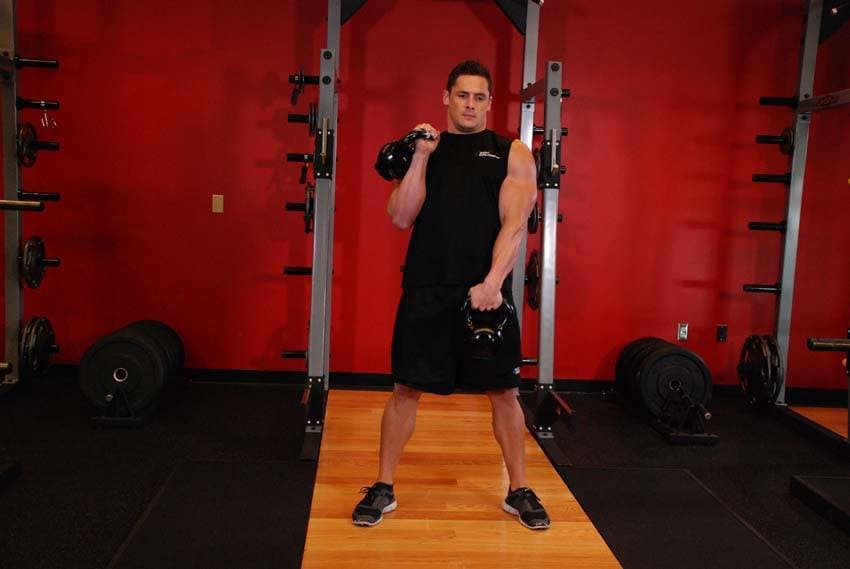
Alternating Hang Clean
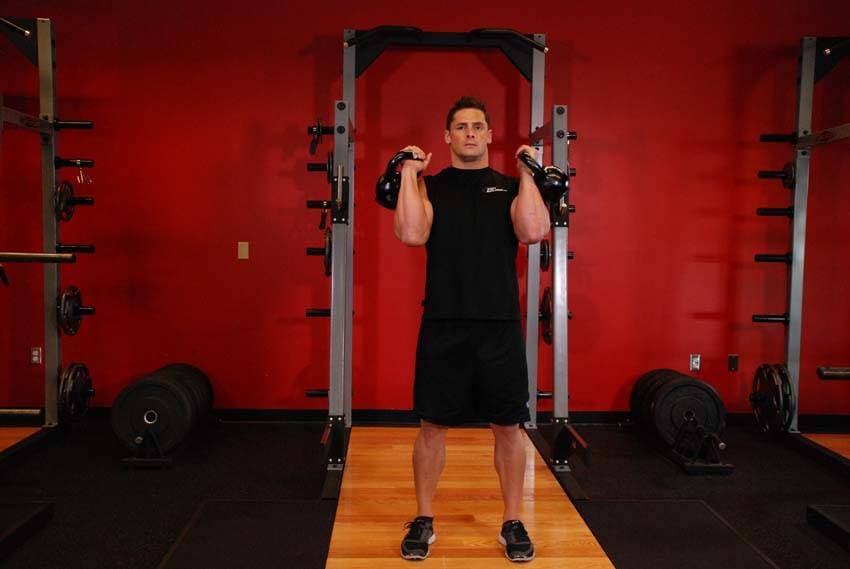
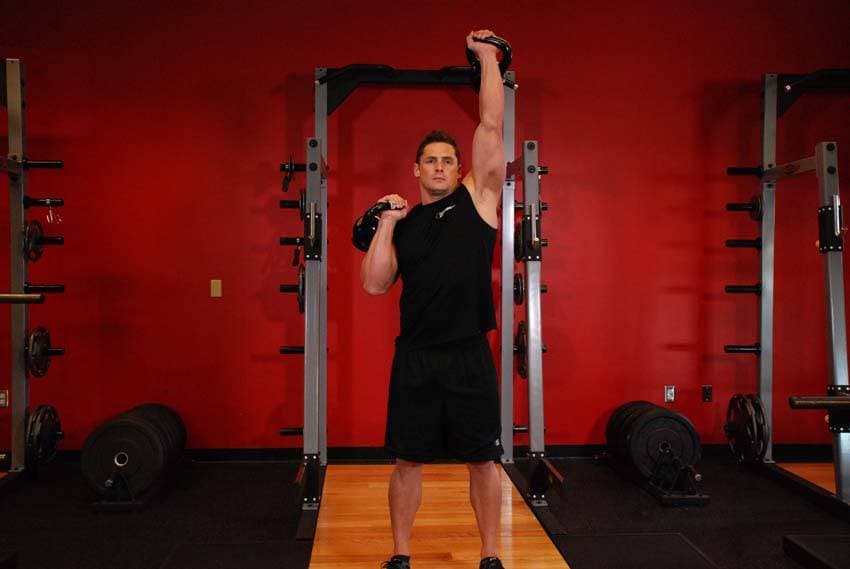
Alternating Kettlebell Press
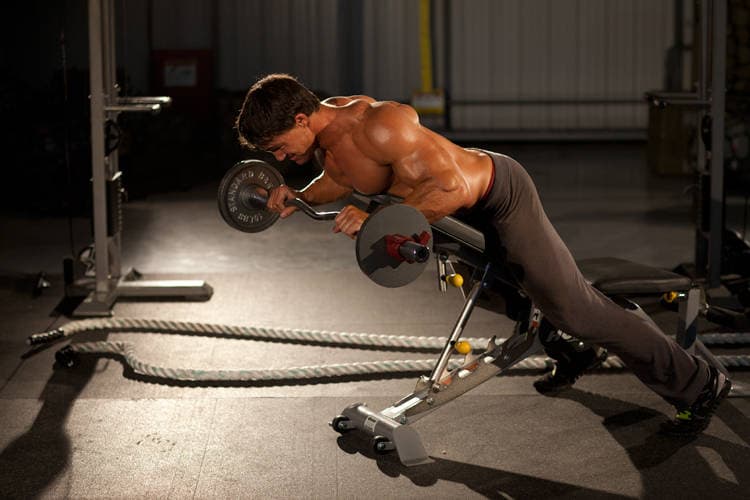
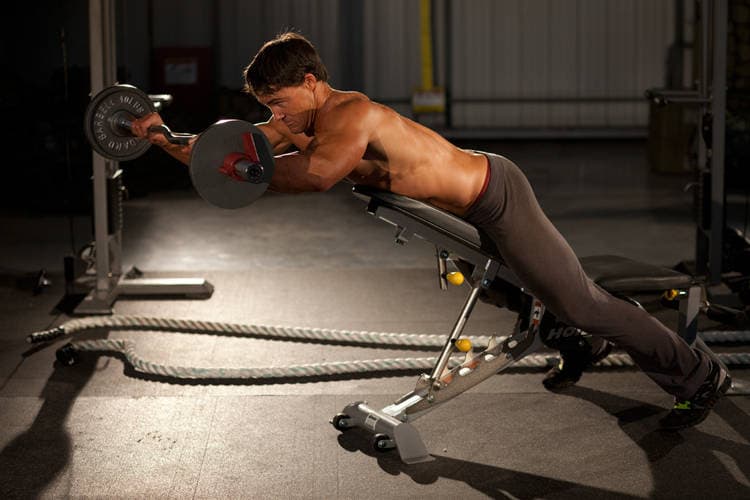
Anti-Gravity Press
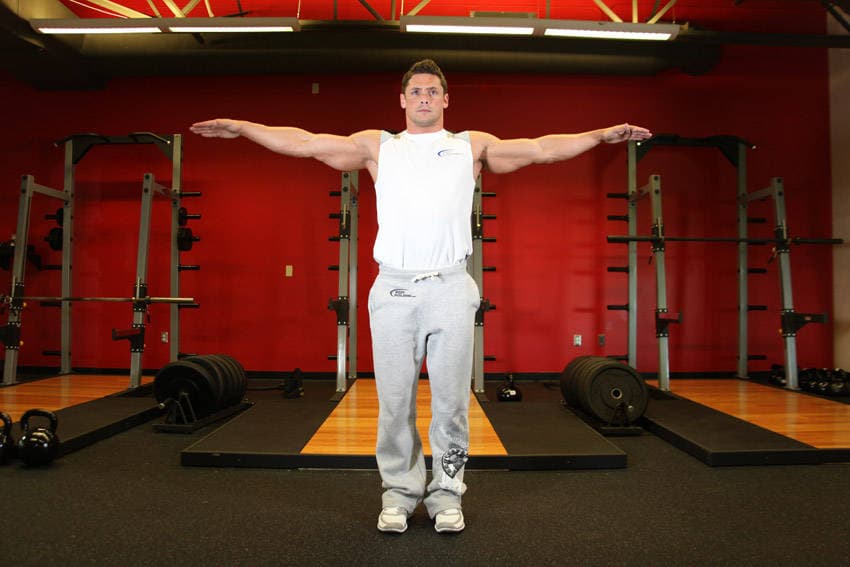
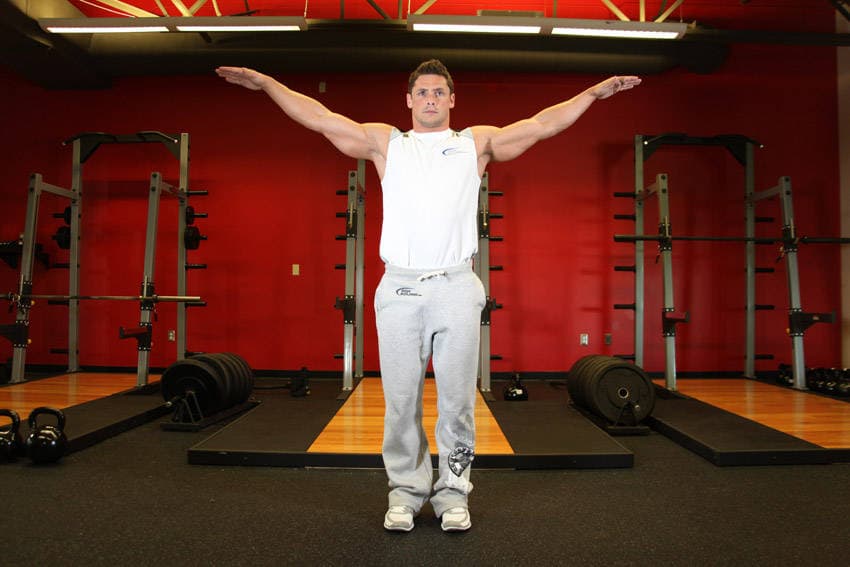
Arm Circles
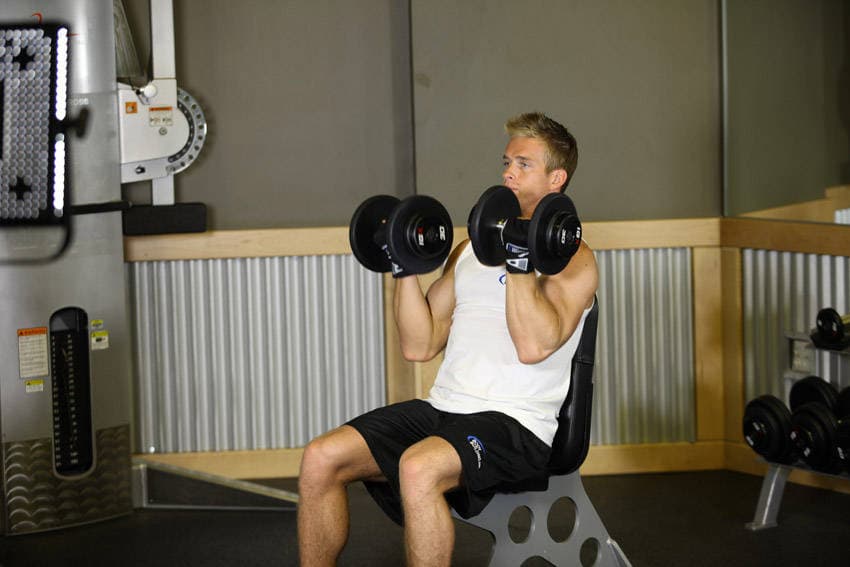
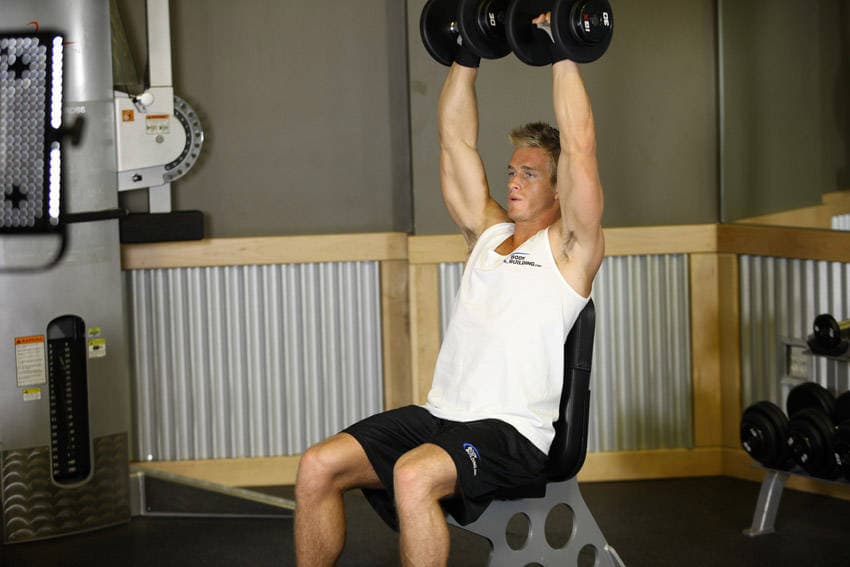
Arnold Dumbbell Press
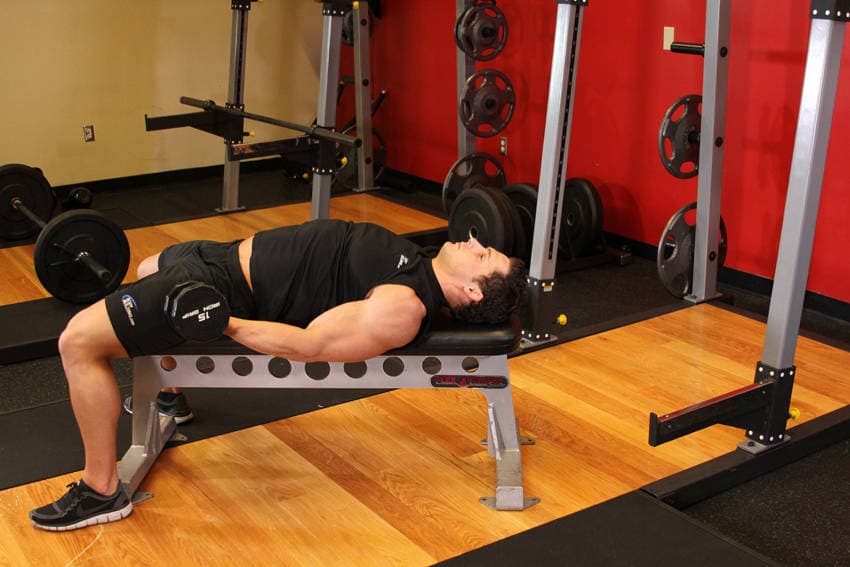
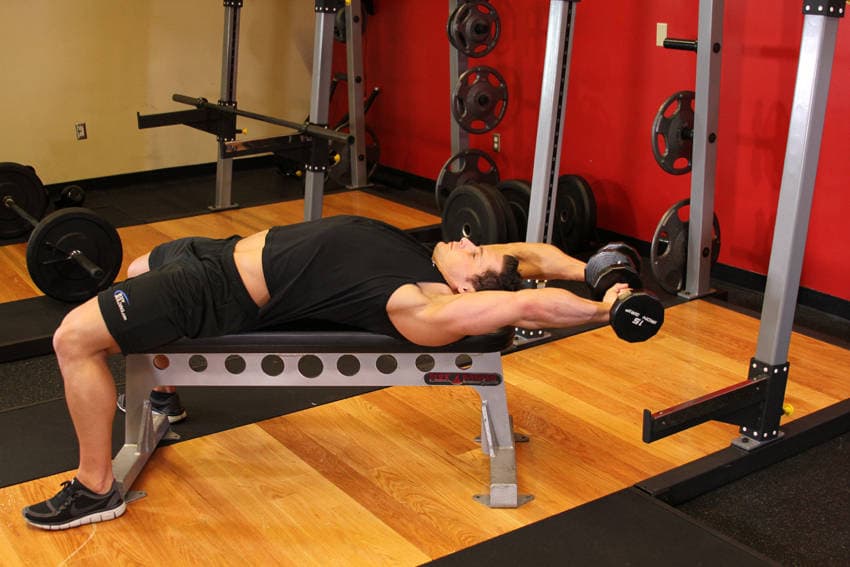
Around The Worlds
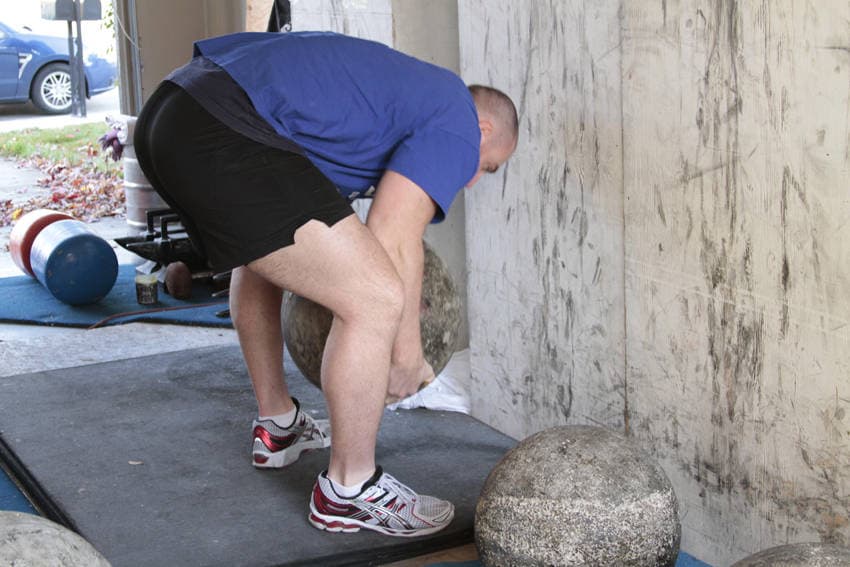
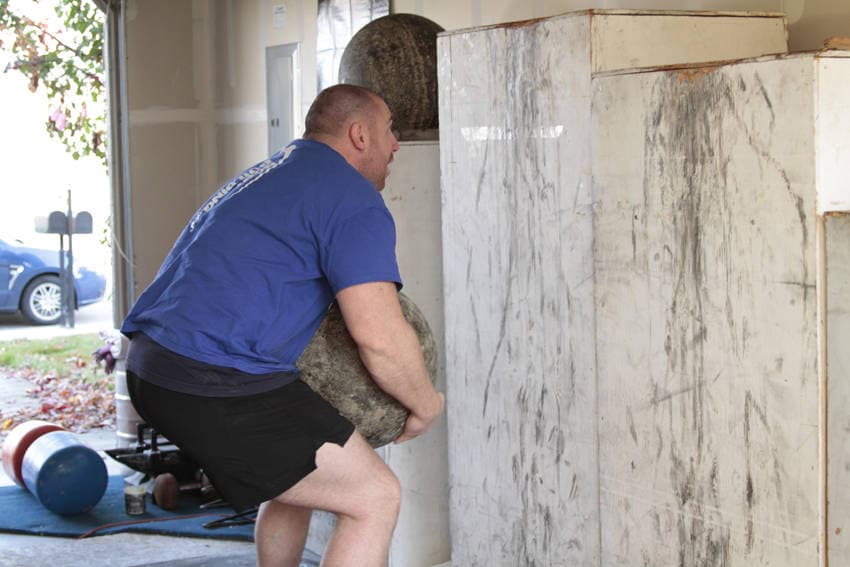
Atlas Stones
When to See a Doctor
Seek medical attention if you cannot raise your arm above shoulder height, have significant swelling or bruising on top of the shoulder, or experience a visible bump at the AC joint.
Self-Care Tips
Gently stretch the upper trapezius by tilting your ear to your shoulder
Avoid carrying heavy bags on one shoulder
Apply heat to relieve chronic muscle tension in the upper traps
Perform pendulum exercises to maintain shoulder mobility
Related Shoulder Pain
Shoulder Muscles
Explore all shoulder muscles in 3D
Activities & Sports
Find which activities involve this area