Foot
First lumbrical of left foot
First LUM-brih-kal left foot
The first lumbrical of the left foot is a small worm-like muscle that flexes the big toe's base and extends its tip, stabilizing during gait. It fine-tunes toe position for balance in yoga or barefoot training. Key for foot intrinsic strength.
Open in 3D ViewerCommon Pain & Injury
Pain in the ball of the left foot or big toe, cramping with prolonged standing. Hammertoe or neuromas mimic. See podiatrist for numbness or deformity.
Anatomy & Function
Origin
Medial side of flexor hallucis longus tendon (big toe flexor tendon).
Insertion
Medial dorsal base of proximal phalanx of hallux (big toe base top).
Actions
- Flexion of metatarsophalangeal joint (big toe curl at base)
- Extension of interphalangeal joints (toe straightening)
Innervation
Medial plantar nerve (L5-S1, left).
Muscle Relationships
Antagonists
Synergists
Trigger Points
In the medial midfoot; refers to big toe and plantar foot.
Stretches
Common Conditions
Anatomical Parts
FAQ
Foot lumbrical pain?
Cramping in toes from tight shoes; stretch and massage.
Lumbricals foot function?
Balance toe flexion/extension for stable gait.
Exercises for First lumbrical of left foot
20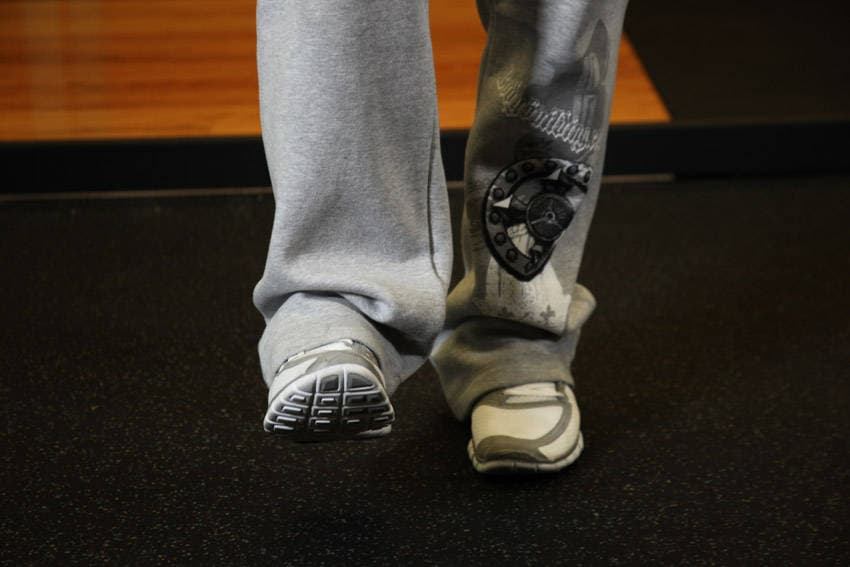
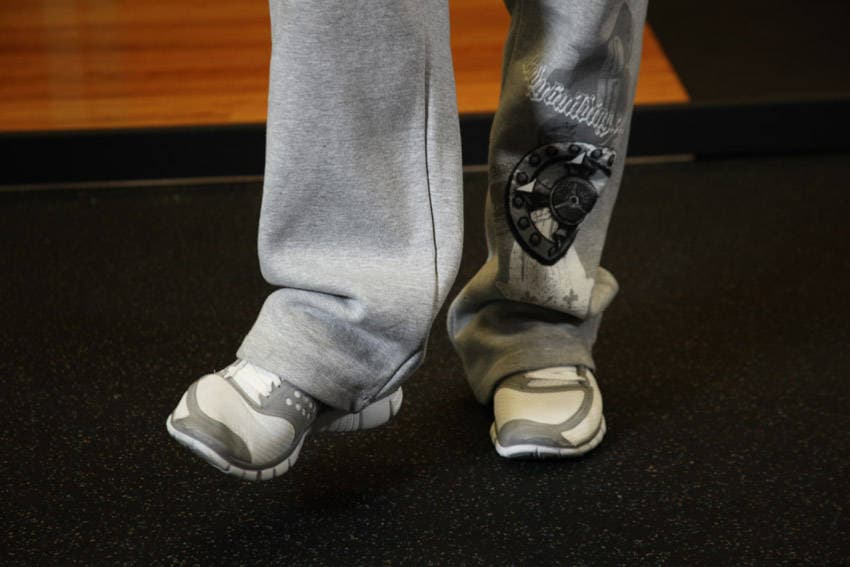
Ankle Circles


Anterior Tibialis-SMR


Balance Board


Barbell Seated Calf Raise

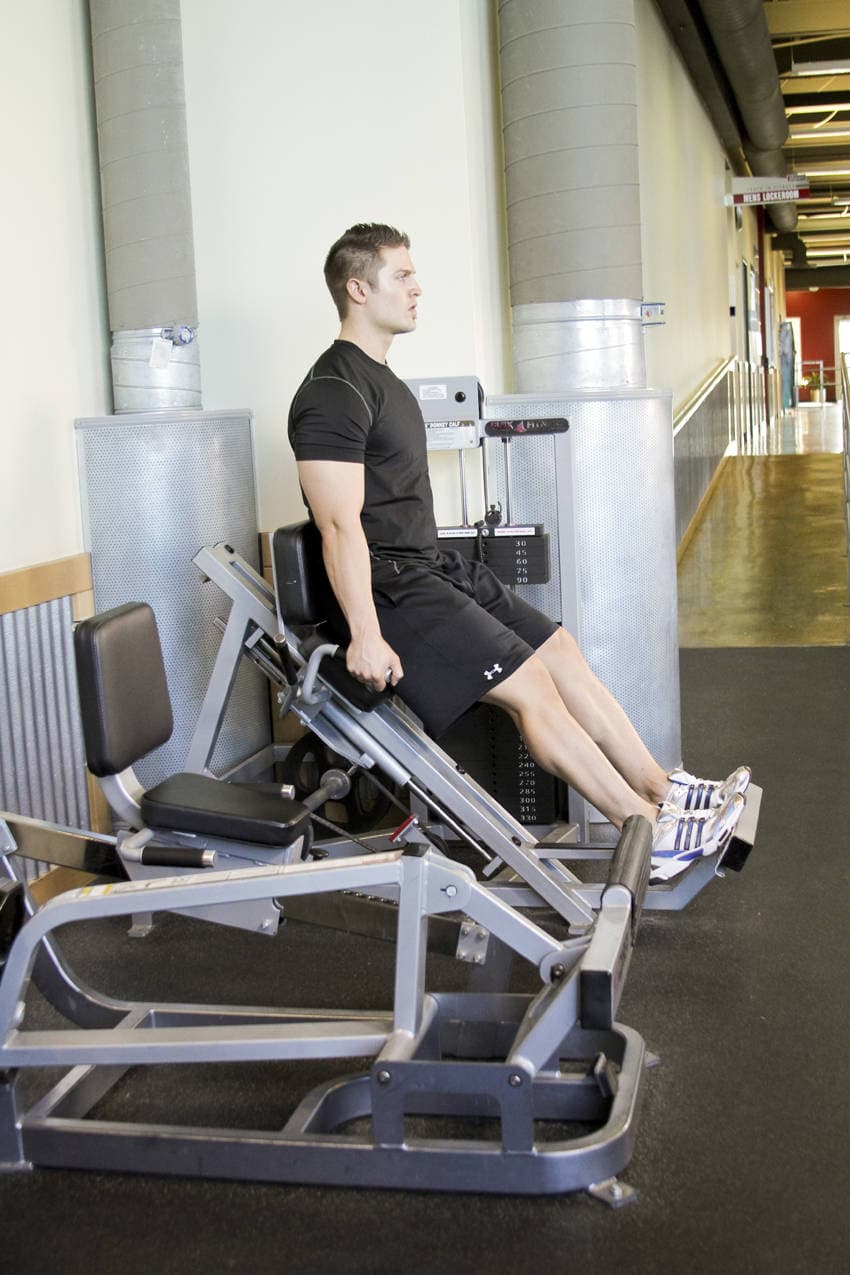
Calf Press
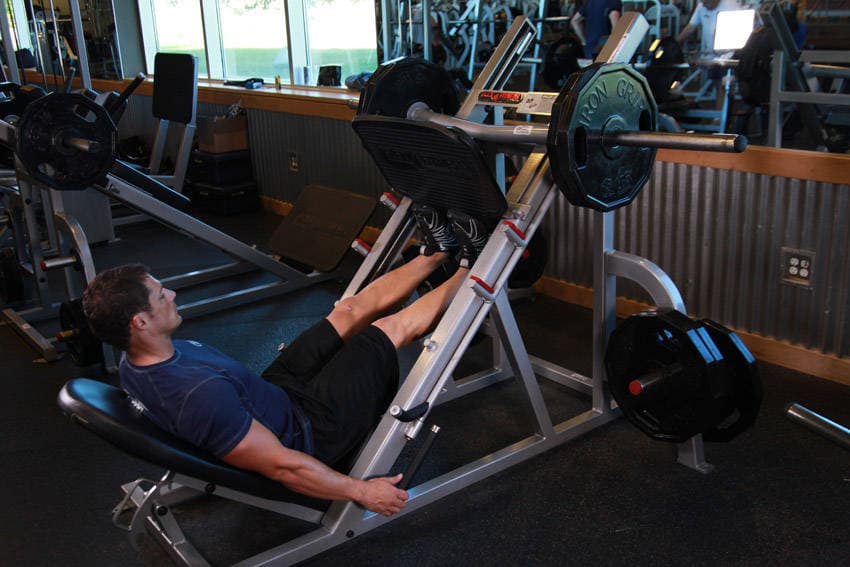

Calf Press On The Leg Press Machine


Calf Raise On A Dumbbell


Calf Raises - With Bands


Calf Stretch Elbows Against Wall

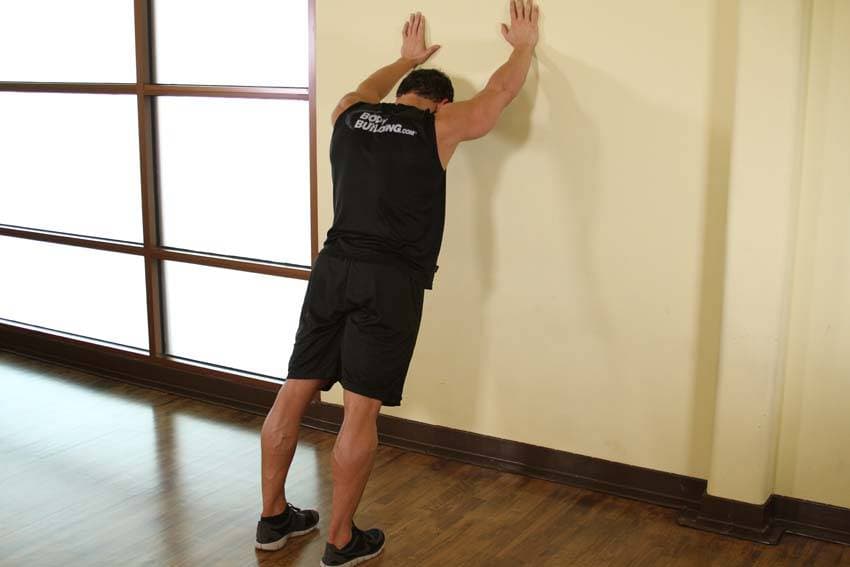
Calf Stretch Hands Against Wall


Calves-SMR


Donkey Calf Raises


Dumbbell Seated One-Leg Calf Raise

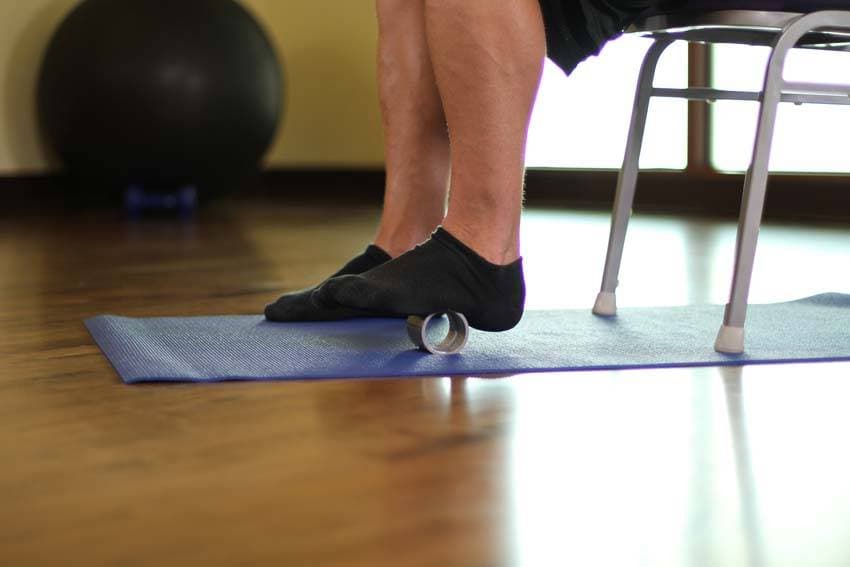
Foot-SMR


Knee Circles


Peroneals-SMR


Peroneals Stretch


Posterior Tibialis Stretch


Rocking Standing Calf Raise


Seated Calf Raise
Also Works First lumbrical of left foot
10

90/90 Hamstring


Alternate Leg Diagonal Bound


Alternating Hang Clean
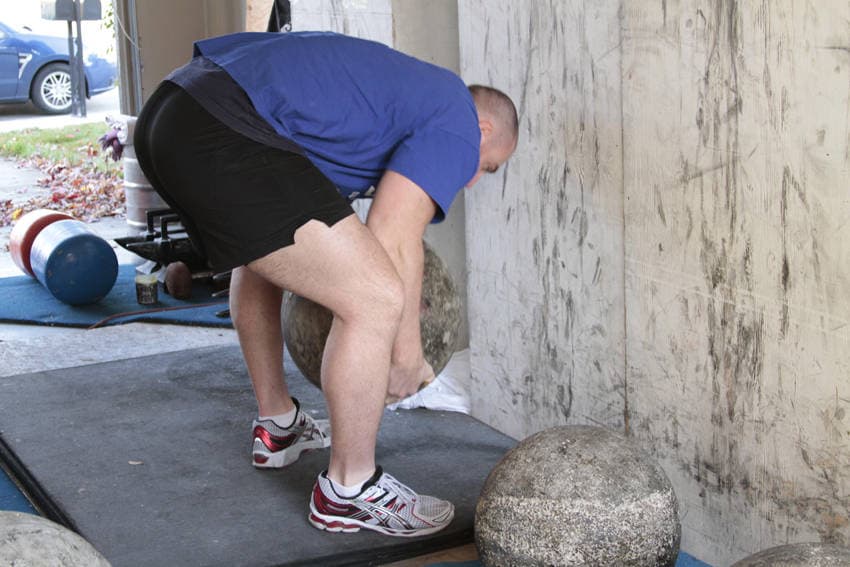
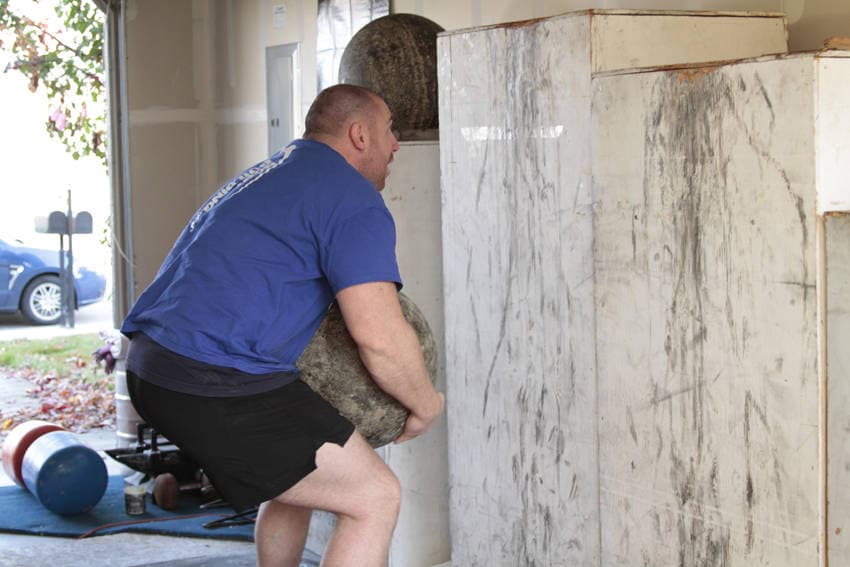
Atlas Stones


Backward Drag


Ball Leg Curl


Barbell Deadlift


Barbell Full Squat


Barbell Glute Bridge


Barbell Hack Squat
Related Foot Muscles
Foot Pain Guide
Common causes and relief
Activities & Sports
See which activities use First lumbrical of left foot