Foot
Fourth lumbrical of right foot
LUM-brih-kul
Small worm-like muscle in right foot sole, the fourth lumbrical flexes metatarsophalangeal joint and extends IP joints of 4th toe. Aids precise foot control in sports like soccer. Prevents toe curling issues.
Open in 3D ViewerCommon Pain & Injury
Ball of foot or 4th toe discomfort from poor intrinsics. Orthotics help. Eval for gait changes.
Anatomy & Function
Origin
Tendon of flexor digitorum longus
Insertion
Dorsal extensor hood of 4th toe
Actions
- MTP flexion (base curl)
- IP extension (straighten toe)
Innervation
Lateral plantar nerve
Muscle Relationships
Antagonists
Flexor digitorum longus
Synergists
Dorsal interossei
Trigger Points
Minimal documentation; local referral.
Stretches
1Toe yoga stretch
2Short foot exercise reverse
3Plantar intrinsics mobilization
Common Conditions
Claw toe deformityMetatarsalgia
Anatomical Parts
Fourth lumbrical of right foot
FAQ
Lumbricals of the foot function
Balance toes during walking by flexing/extending joints.
Foot lumbrical pain right
Strengthen intrinsics with towel scrunches.
Exercises for Fourth lumbrical of right foot
20
Ankle Circles
beginner
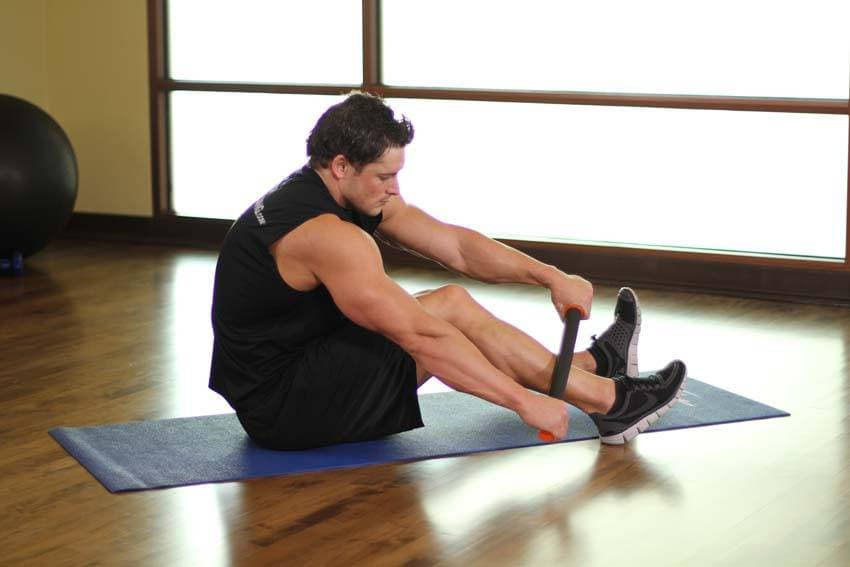

Anterior Tibialis-SMR
intermediate·other
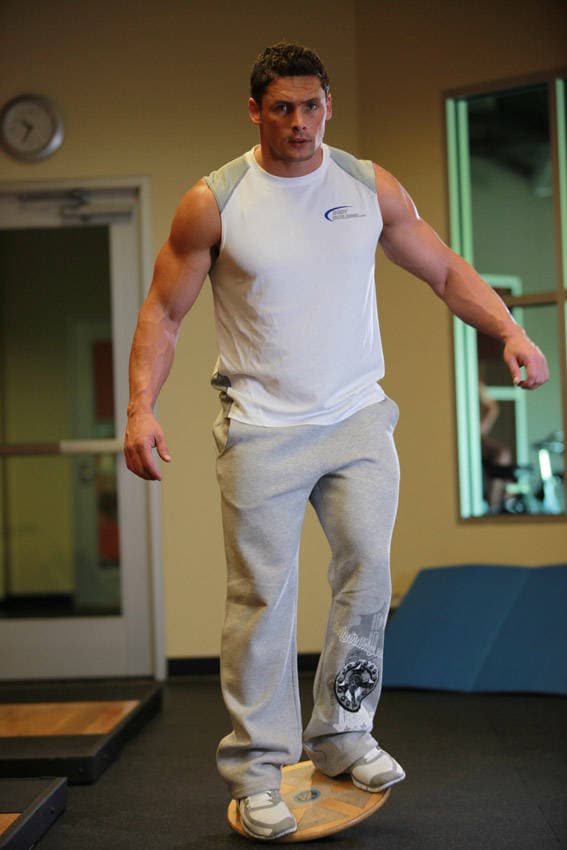
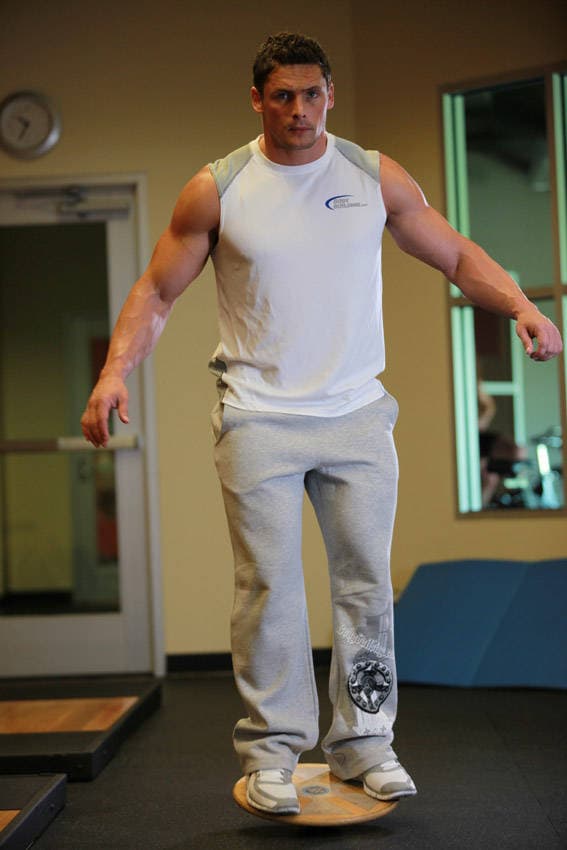
Balance Board
beginner·other
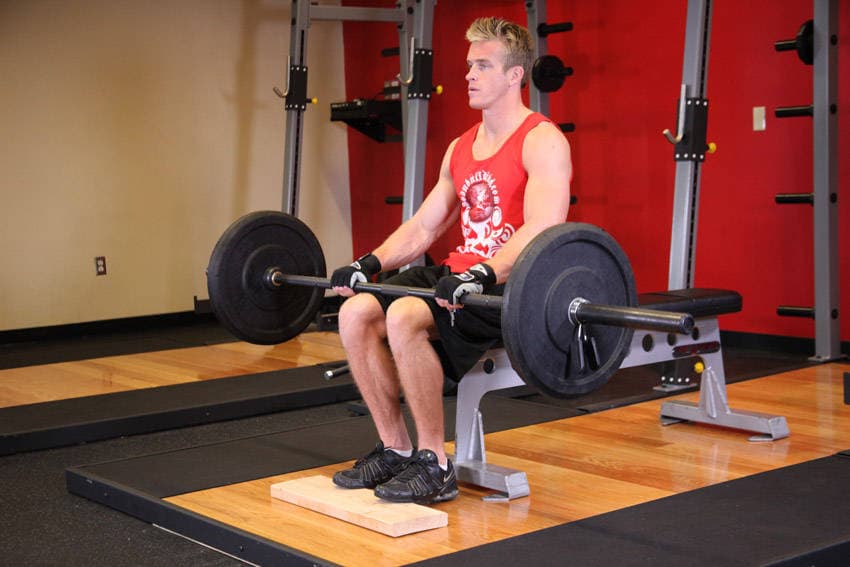
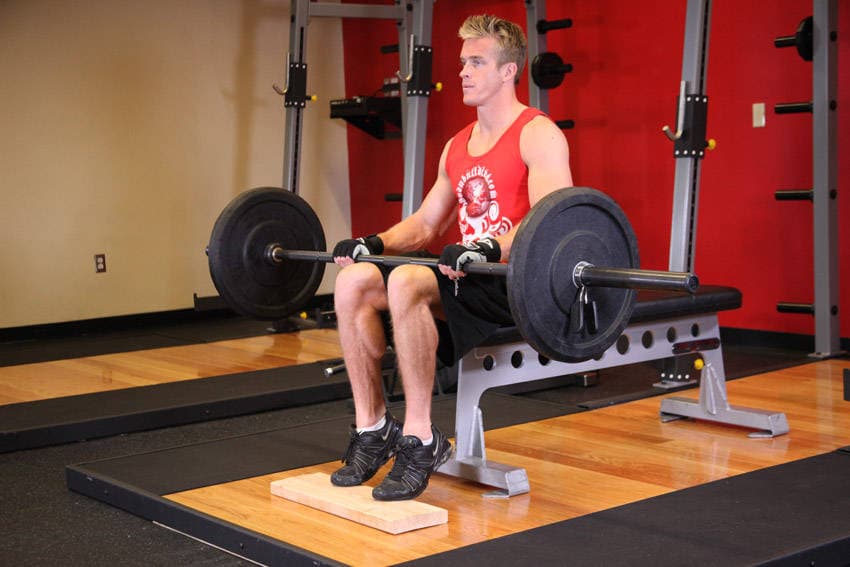
Barbell Seated Calf Raise
beginner·barbell
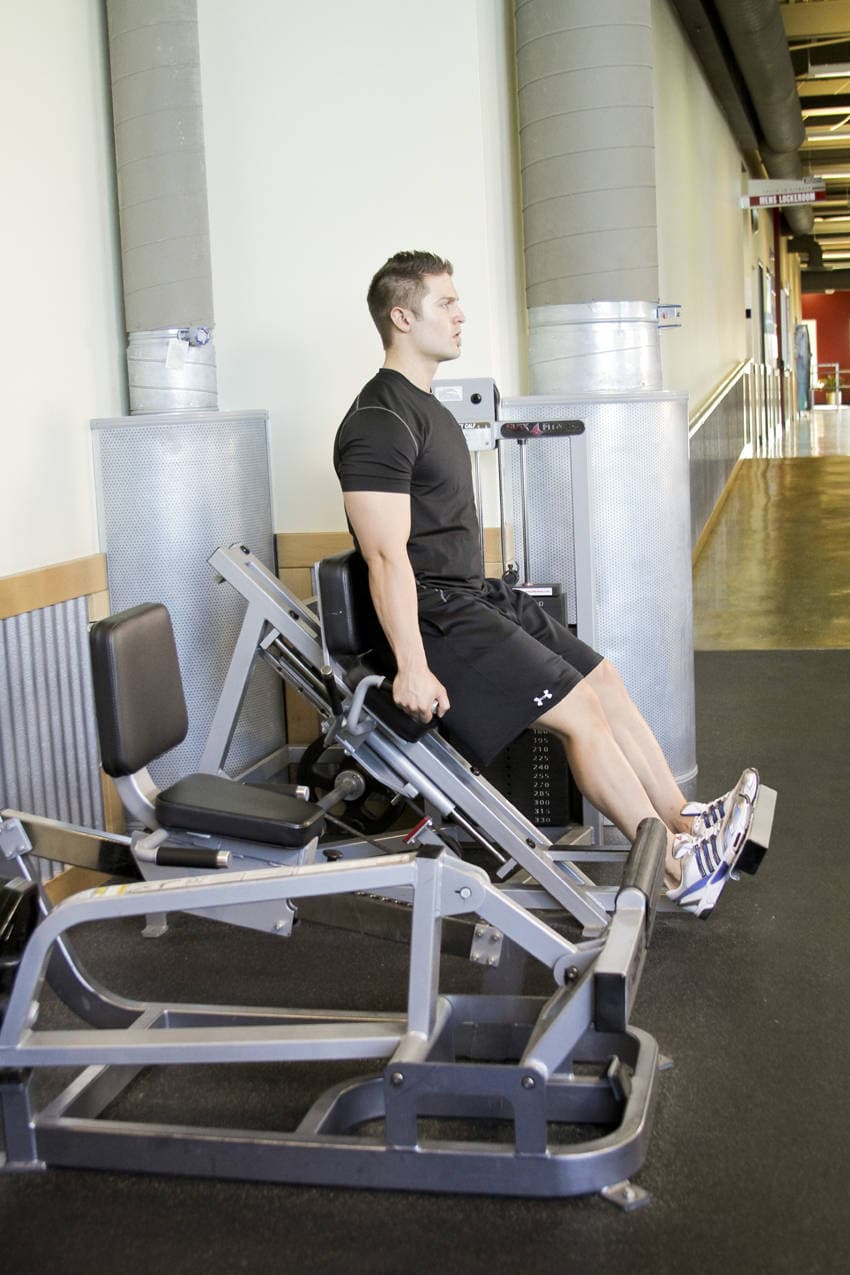
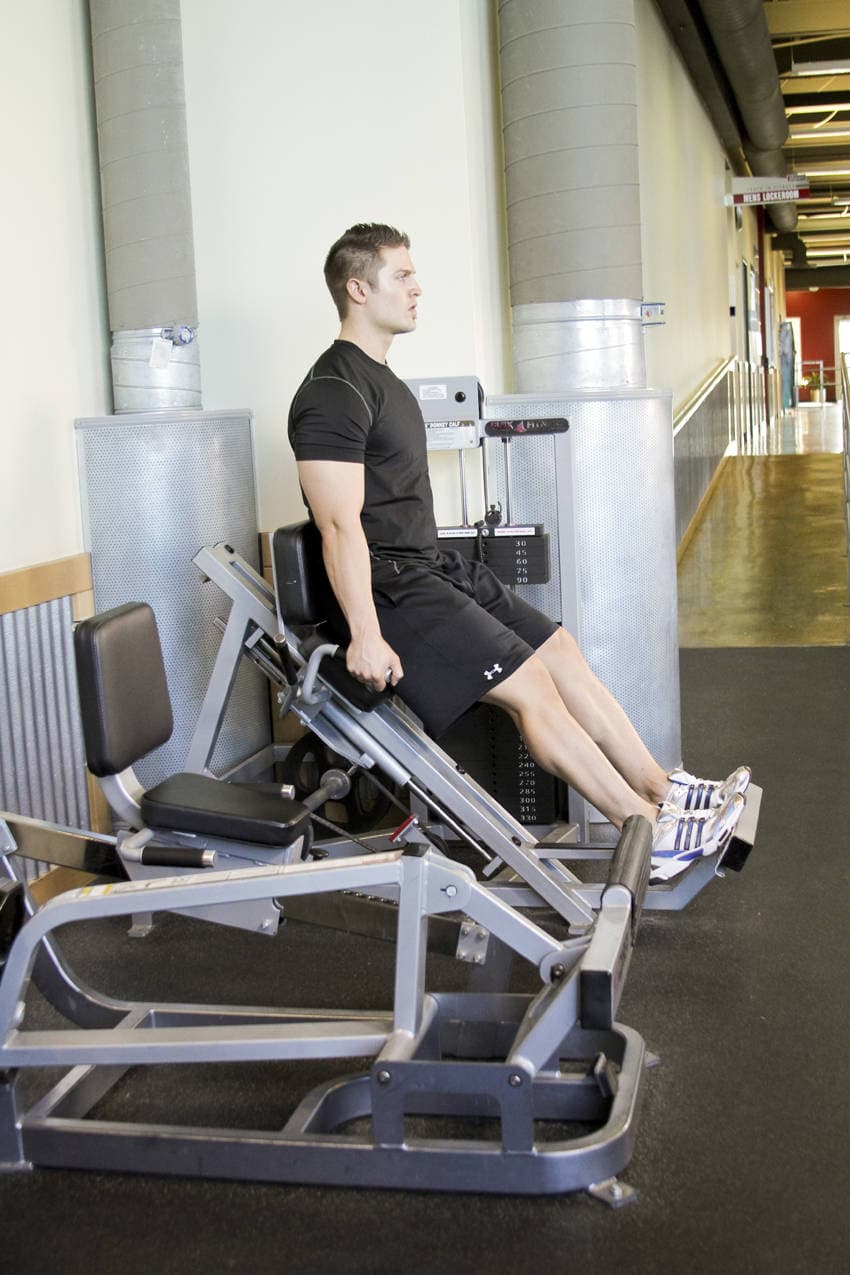
Calf Press
beginner·machine
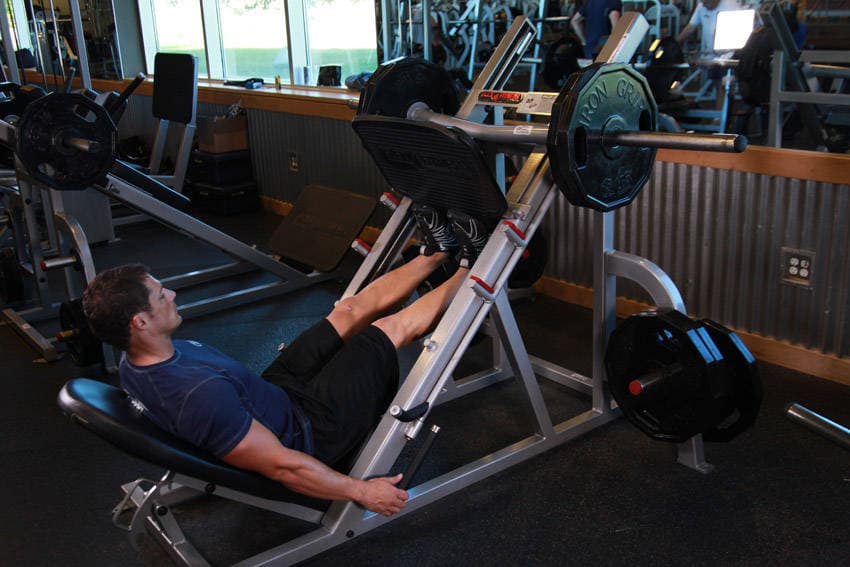
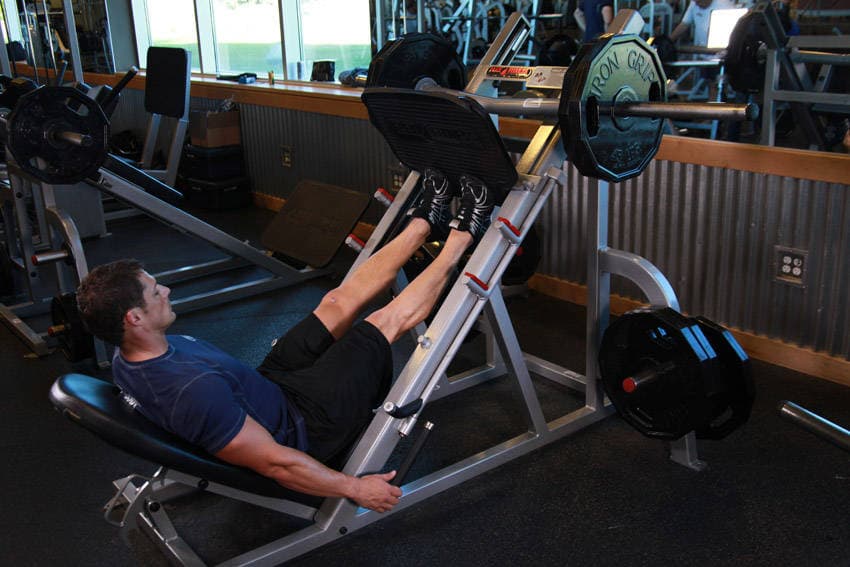
Calf Press On The Leg Press Machine
beginner·machine
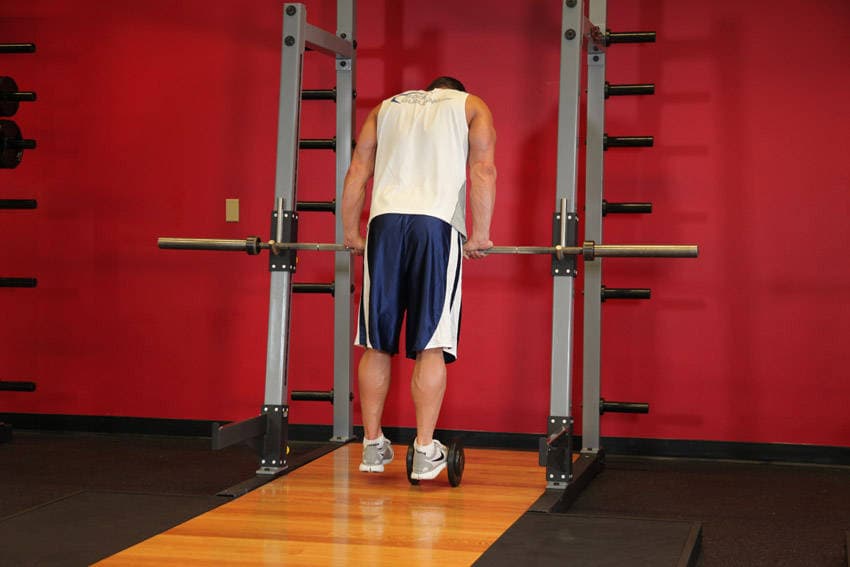
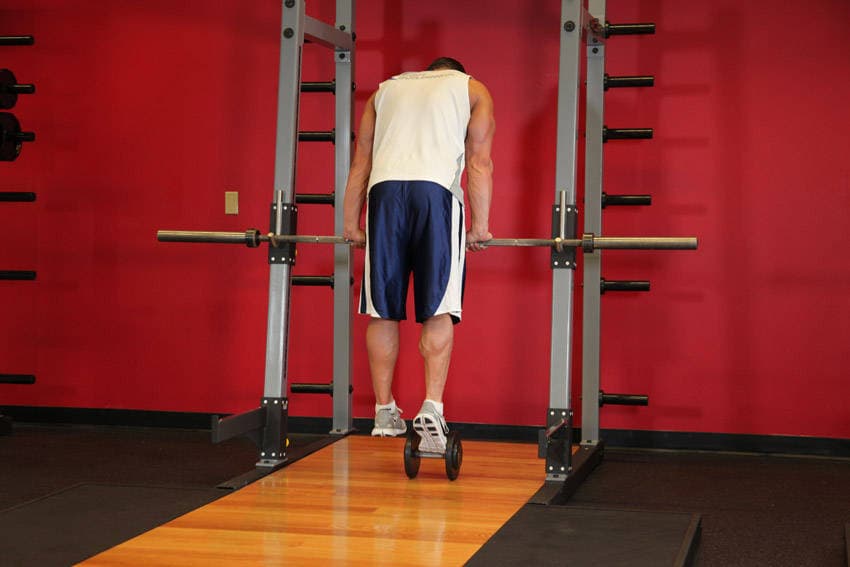
Calf Raise On A Dumbbell
intermediate·dumbbell
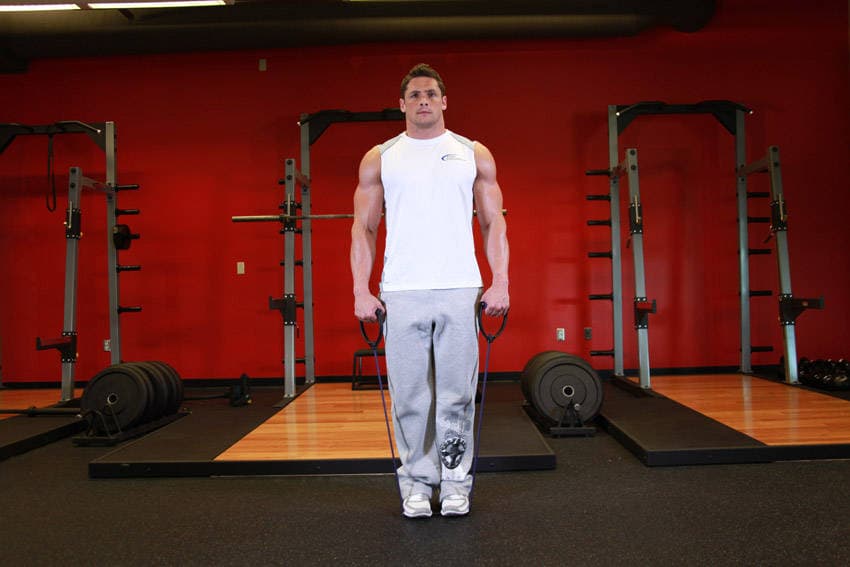
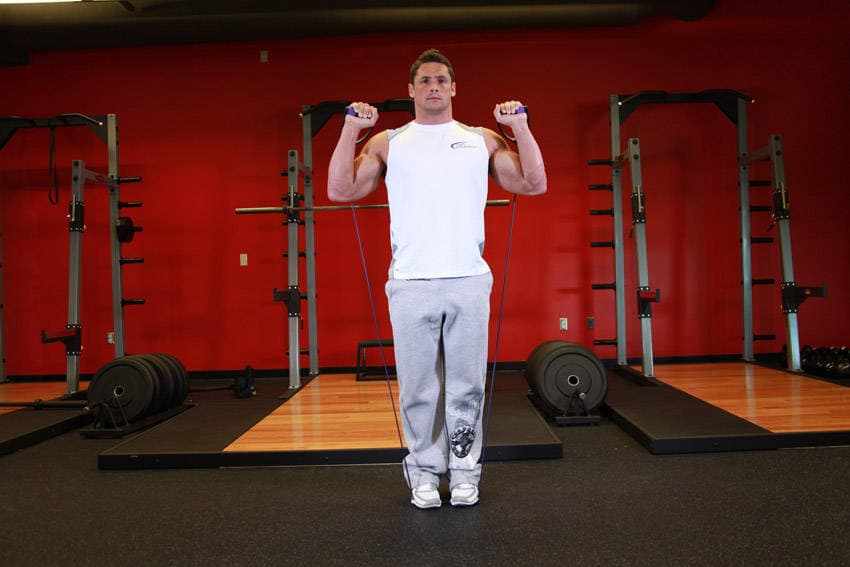
Calf Raises - With Bands
beginner·bands
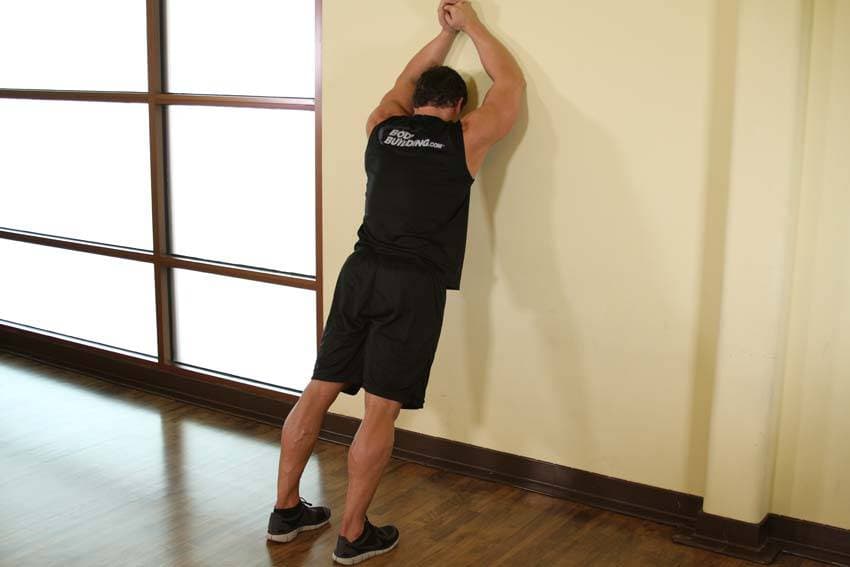
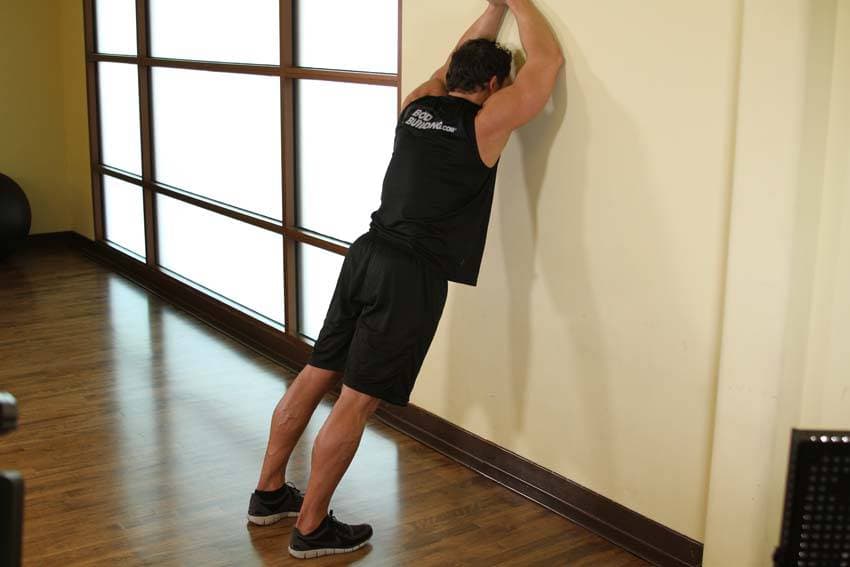
Calf Stretch Elbows Against Wall
beginner
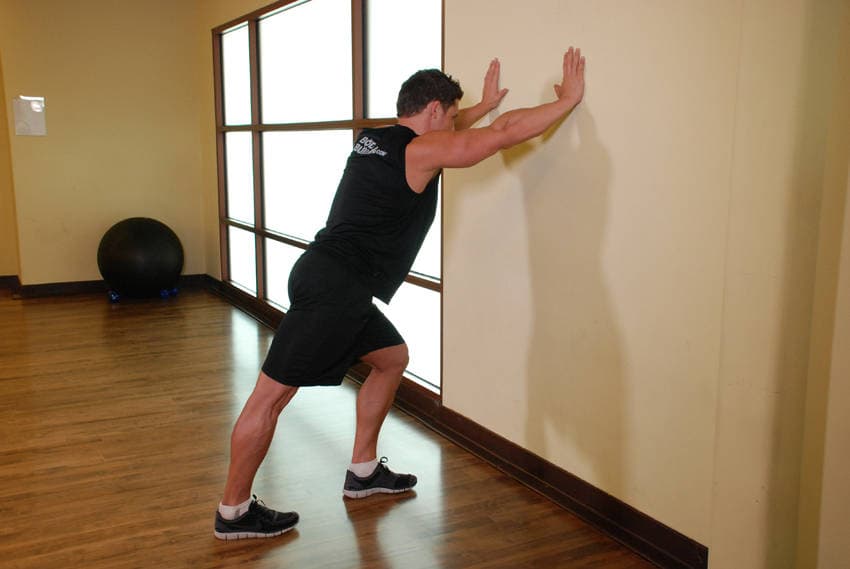
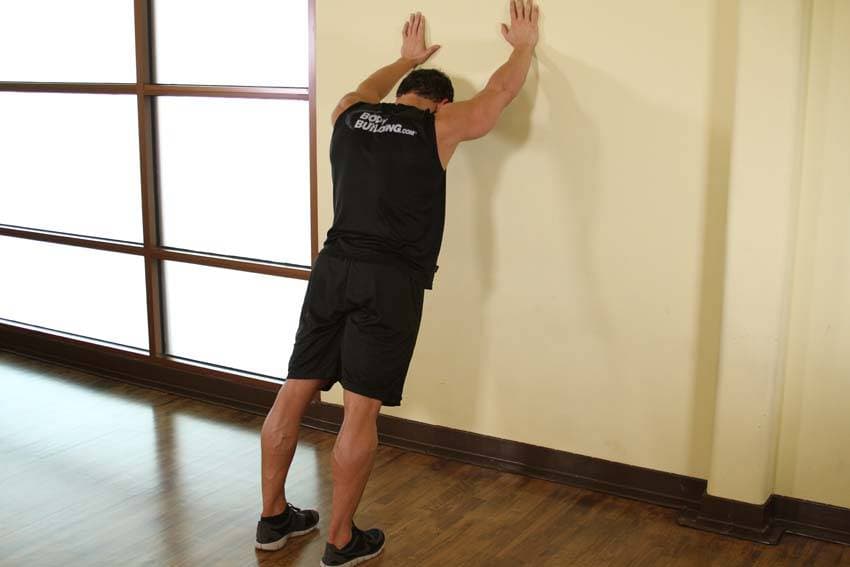
Calf Stretch Hands Against Wall
beginner
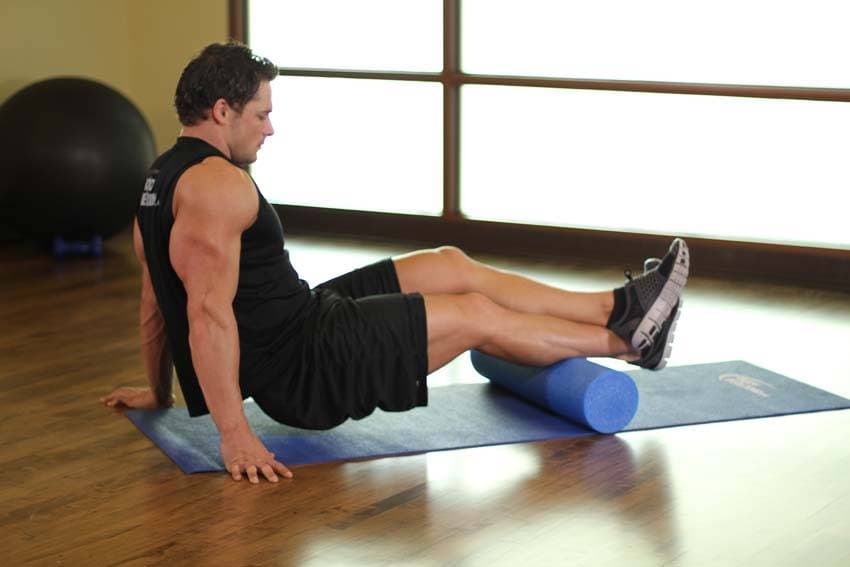
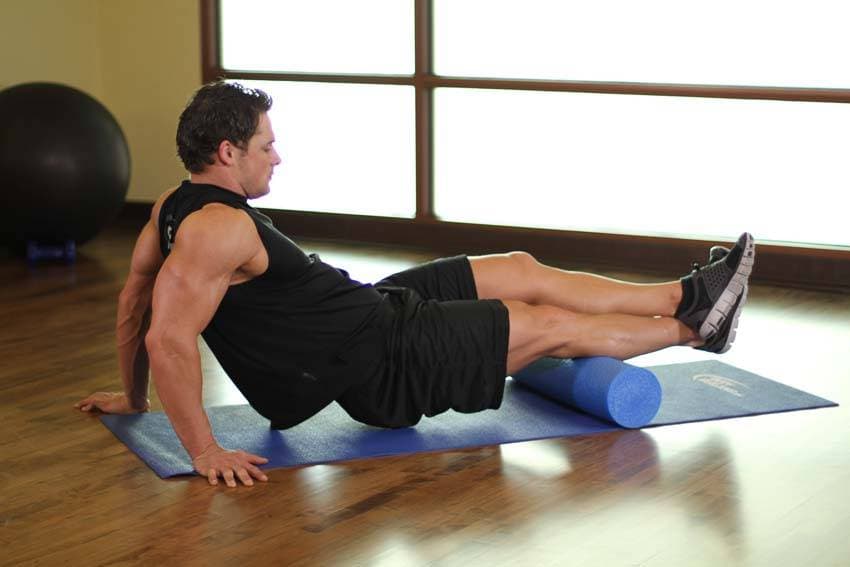
Calves-SMR
intermediate·foam roll
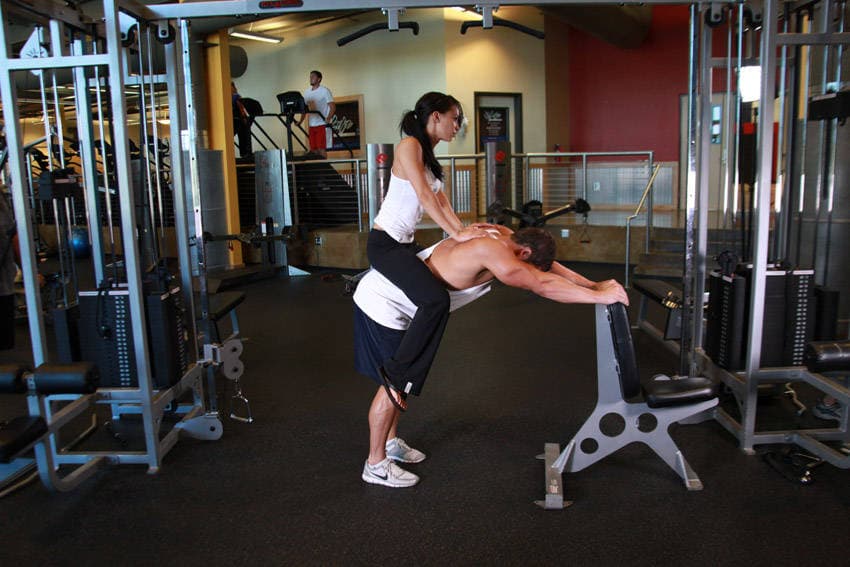
Donkey Calf Raises
intermediate·other
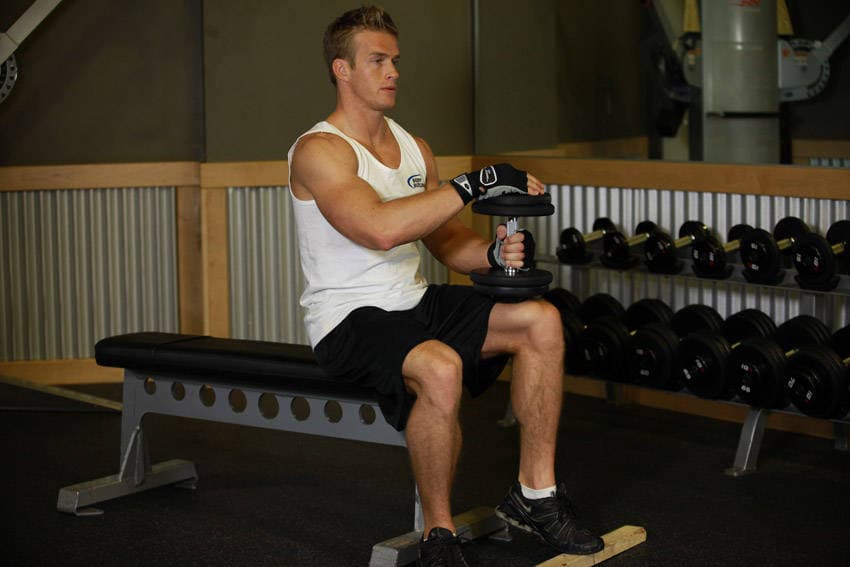
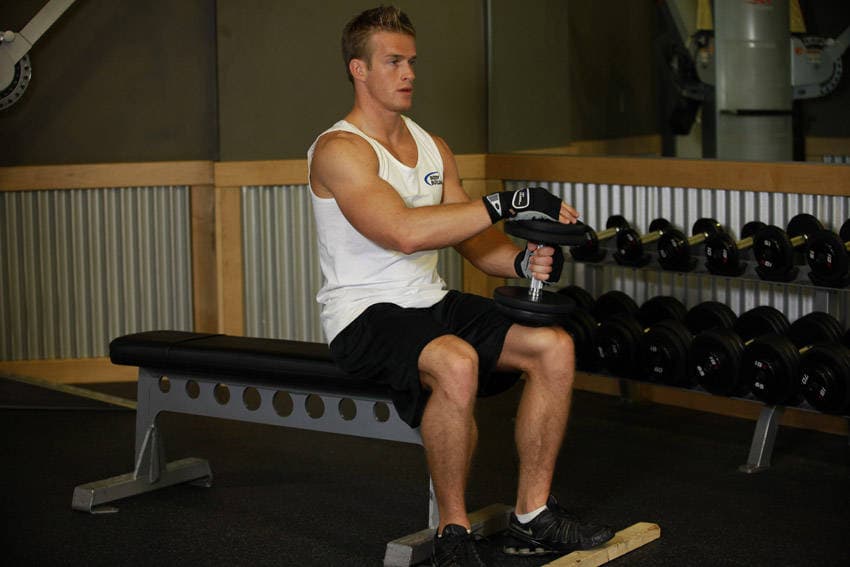
Dumbbell Seated One-Leg Calf Raise
beginner·dumbbell
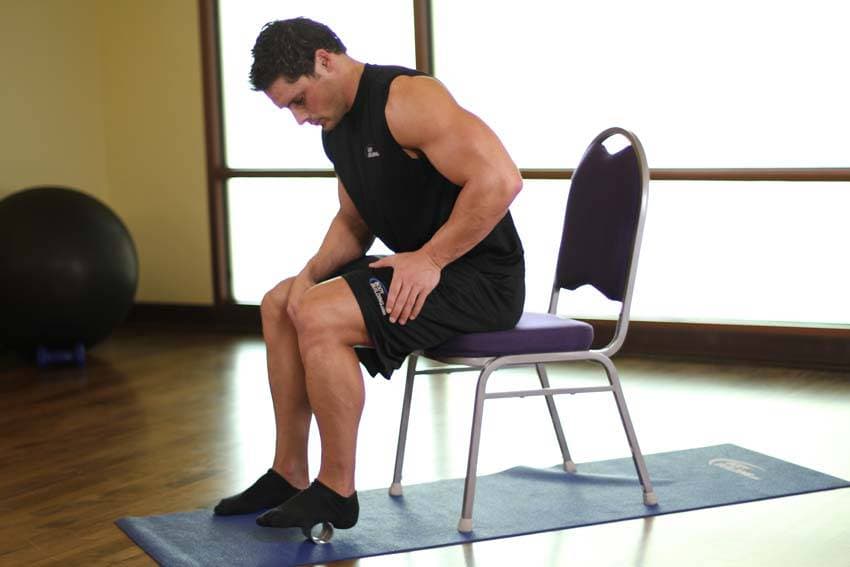
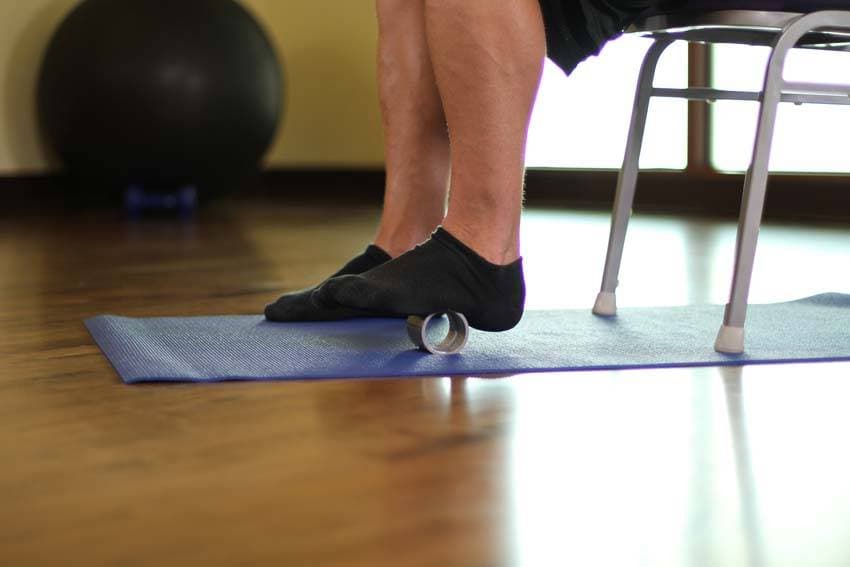
Foot-SMR
intermediate·other
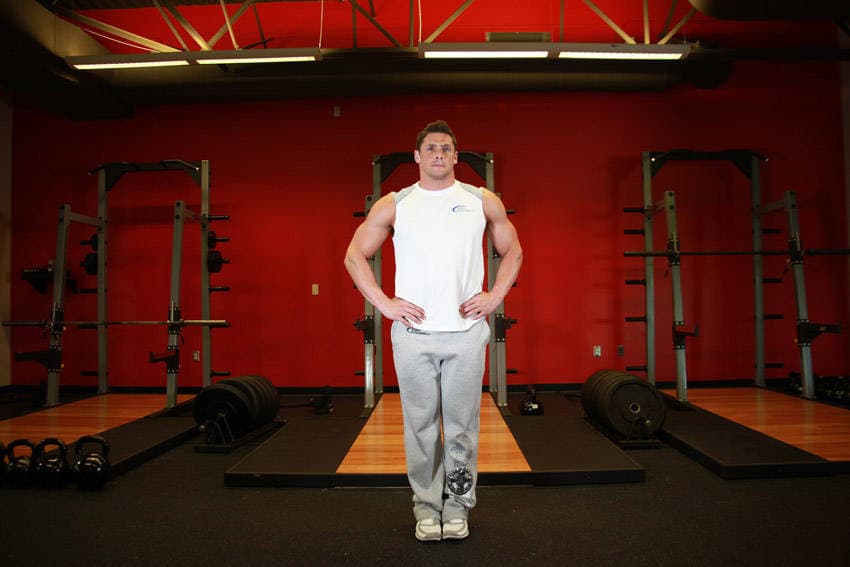
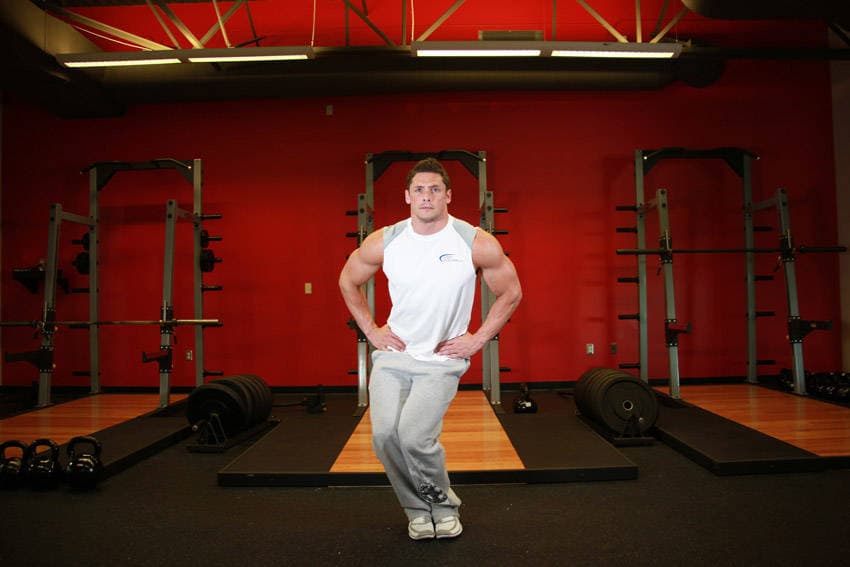
Knee Circles
beginner·Bodyweight
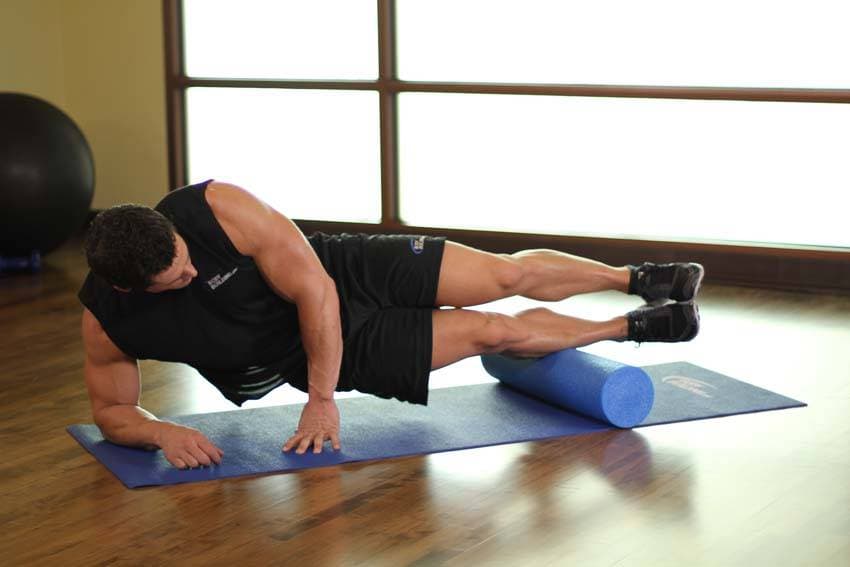
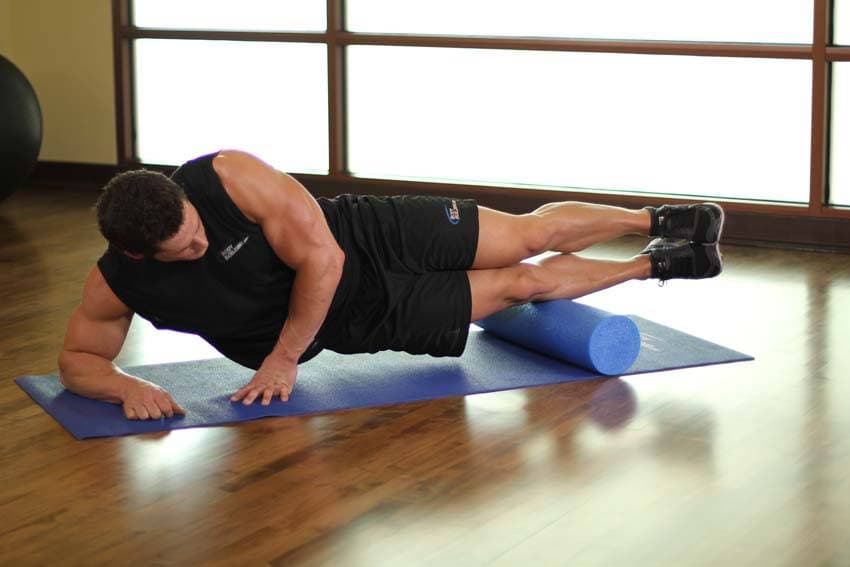
Peroneals-SMR
intermediate·foam roll
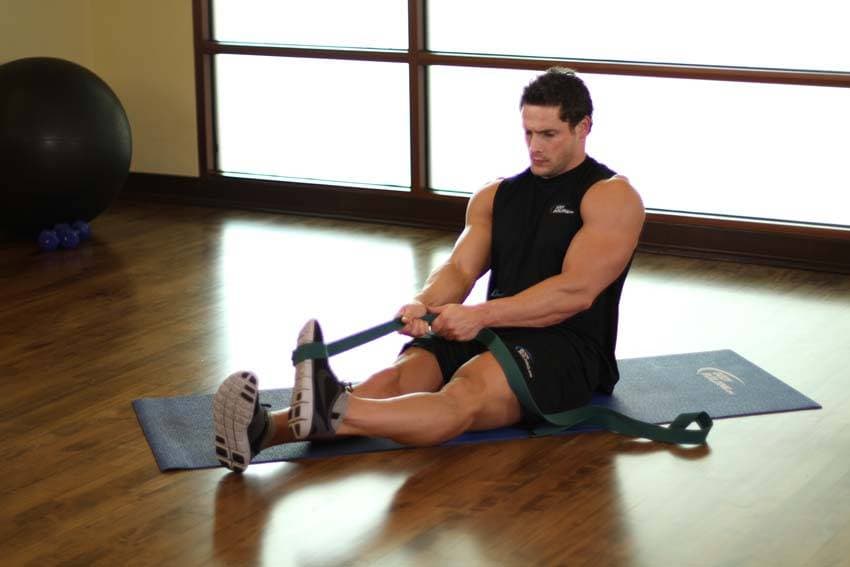
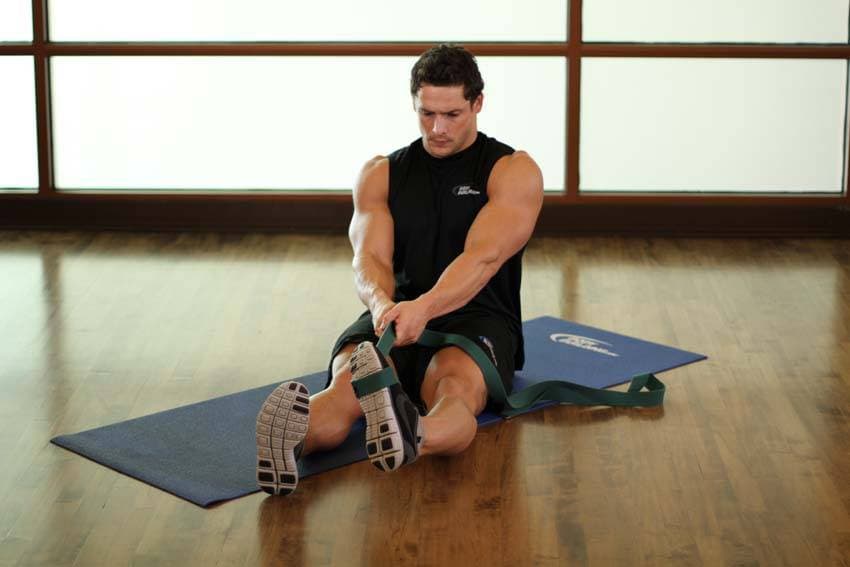
Peroneals Stretch
intermediate·other
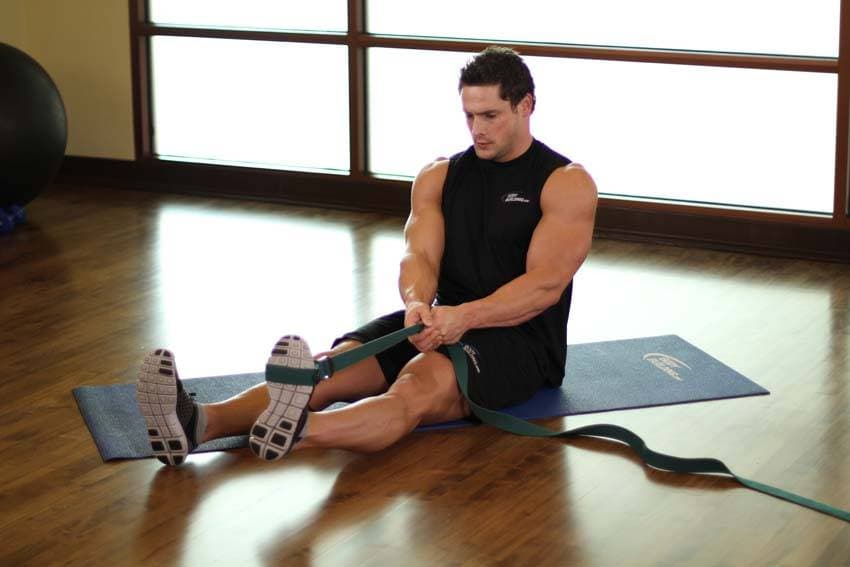
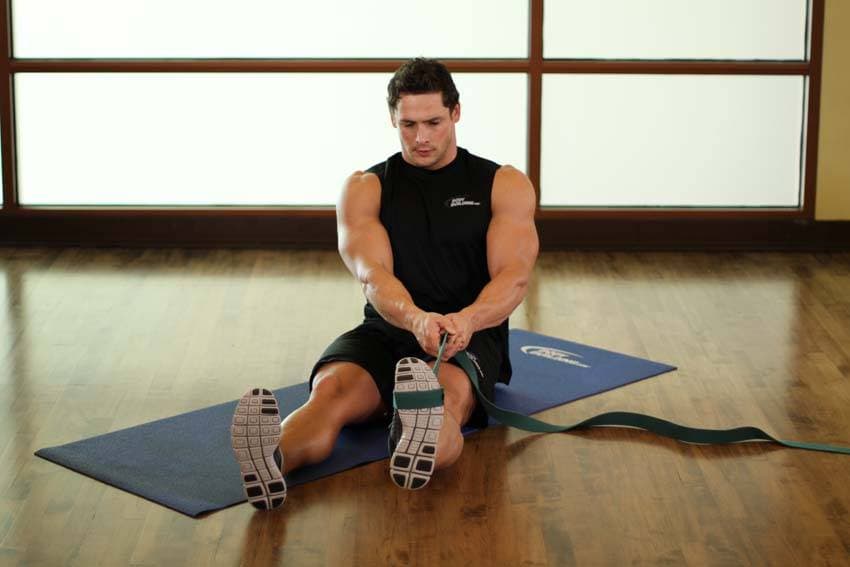
Posterior Tibialis Stretch
intermediate·other
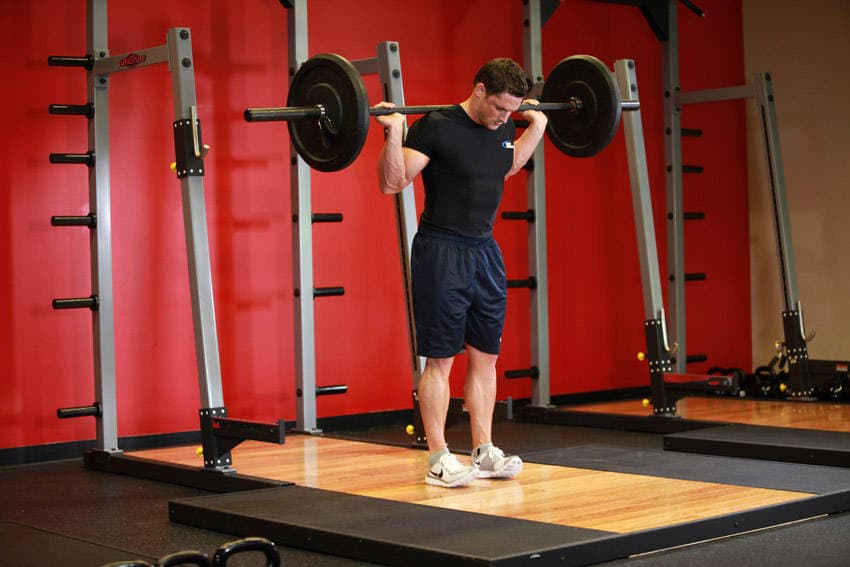
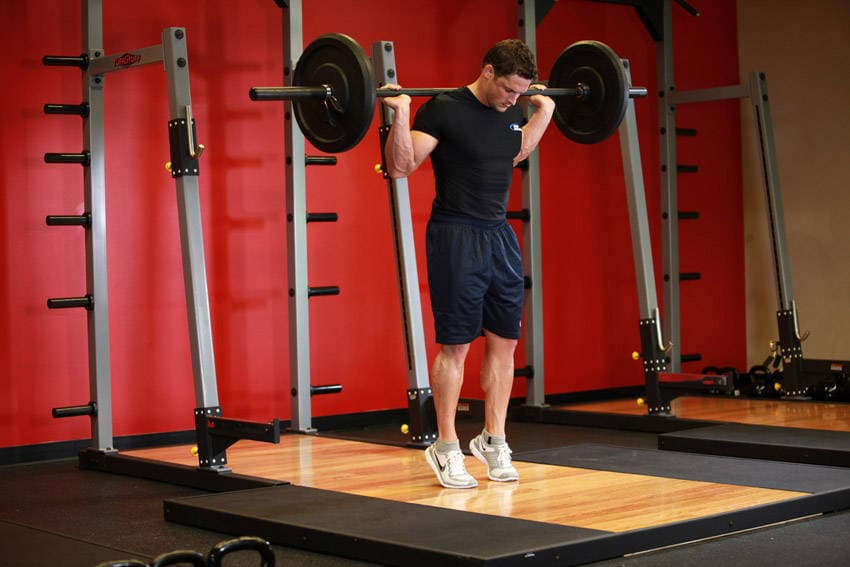
Rocking Standing Calf Raise
beginner·barbell
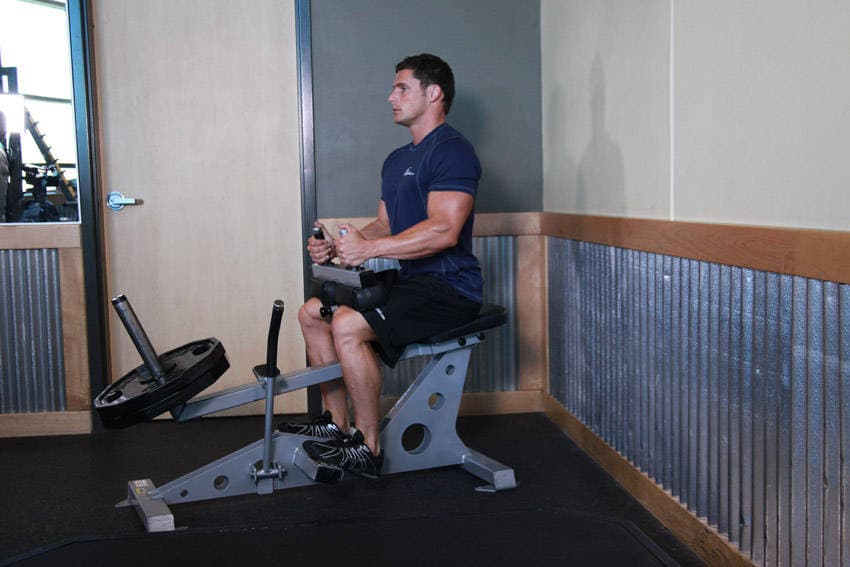
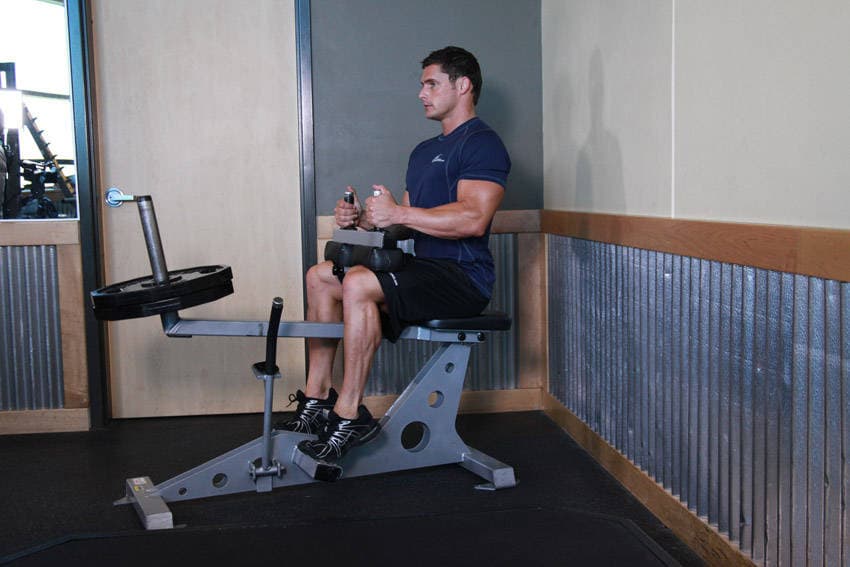
Seated Calf Raise
beginner·machine
Also Works Fourth lumbrical of right foot
10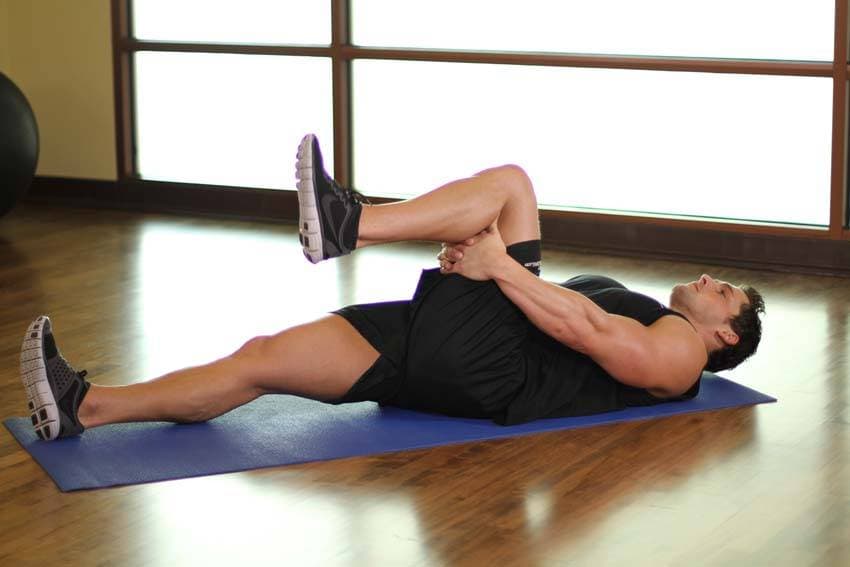
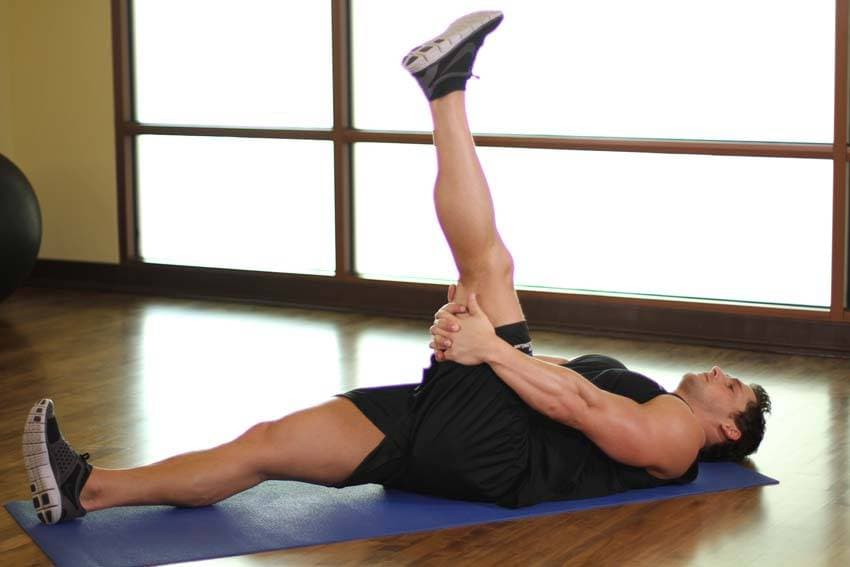
90/90 Hamstring
beginner·Bodyweight
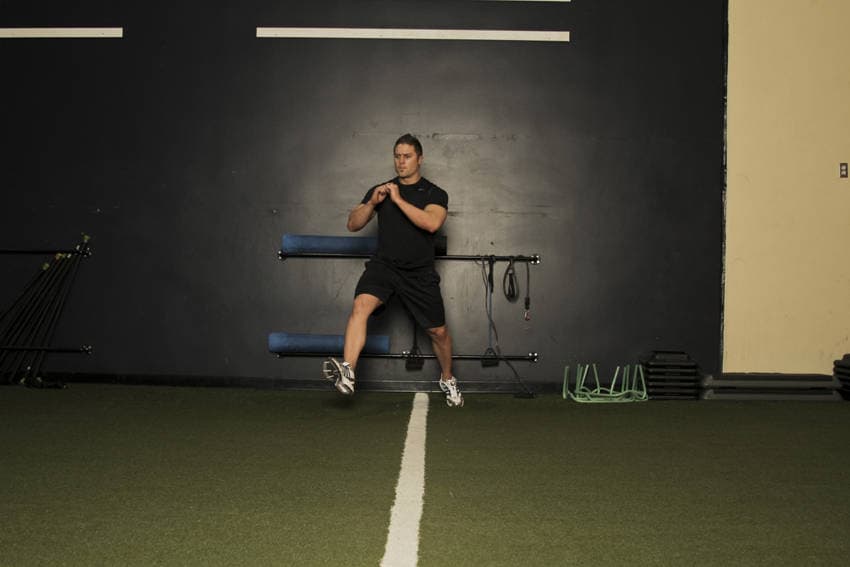
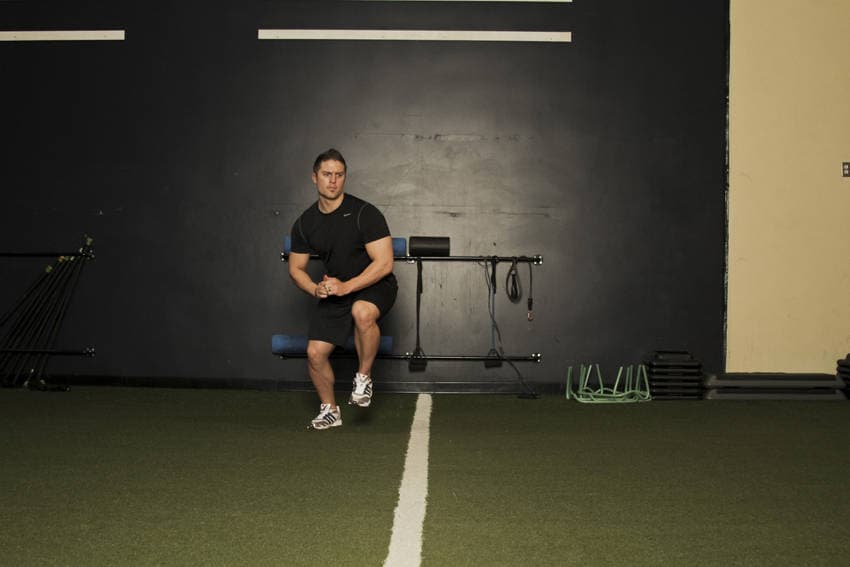
Alternate Leg Diagonal Bound
beginner
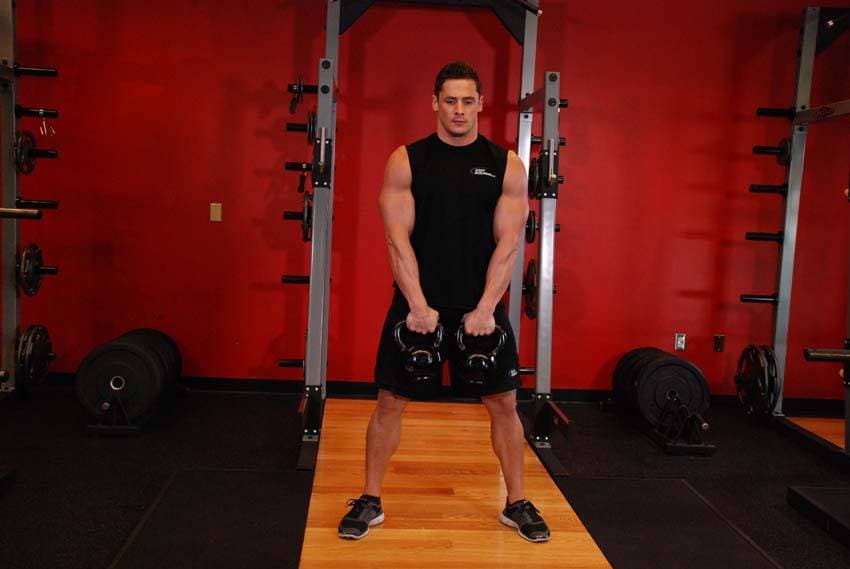
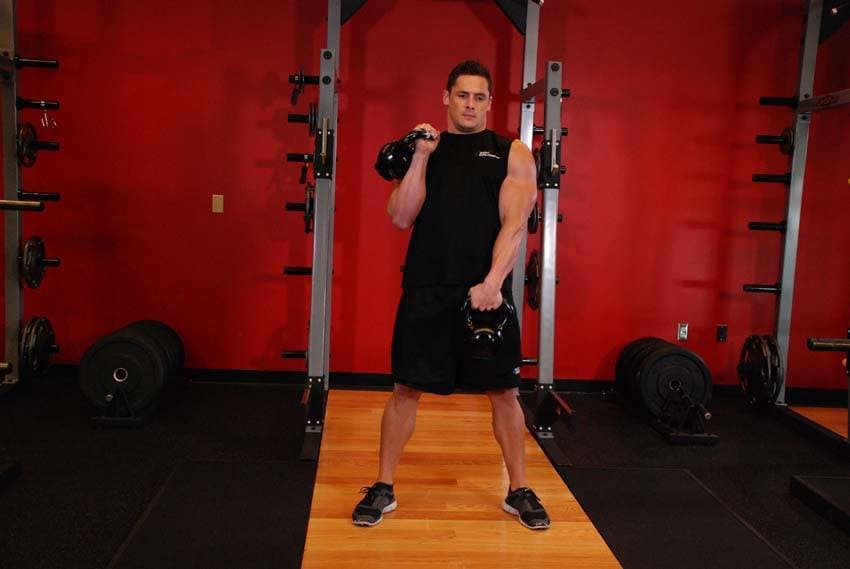
Alternating Hang Clean
intermediate·kettlebells
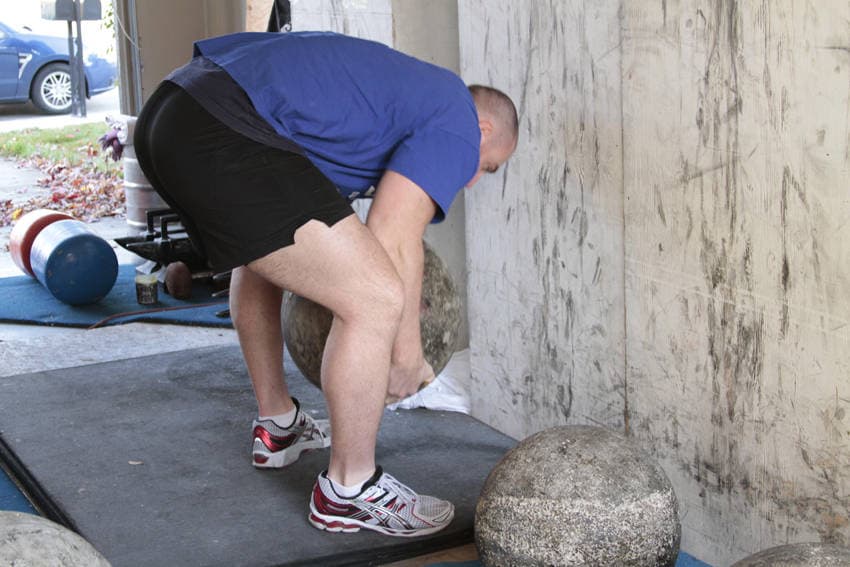
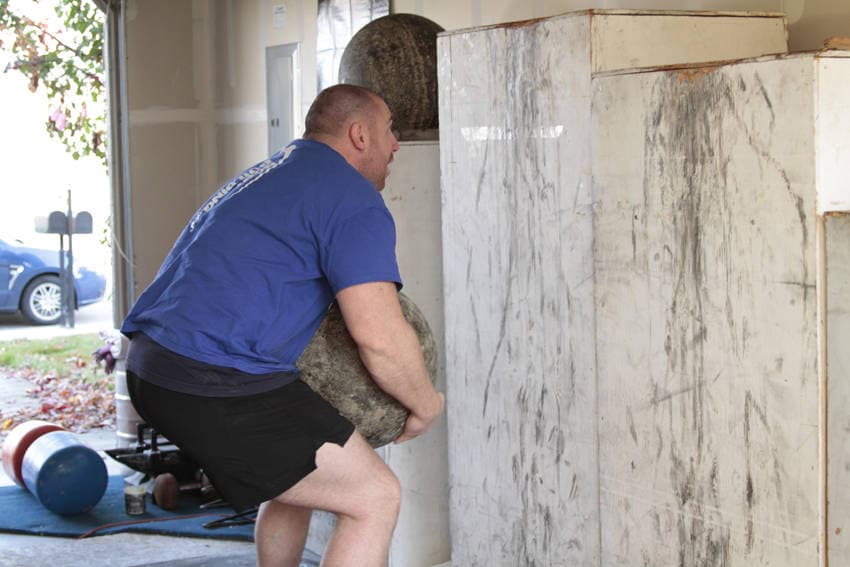
Atlas Stones
expert·other
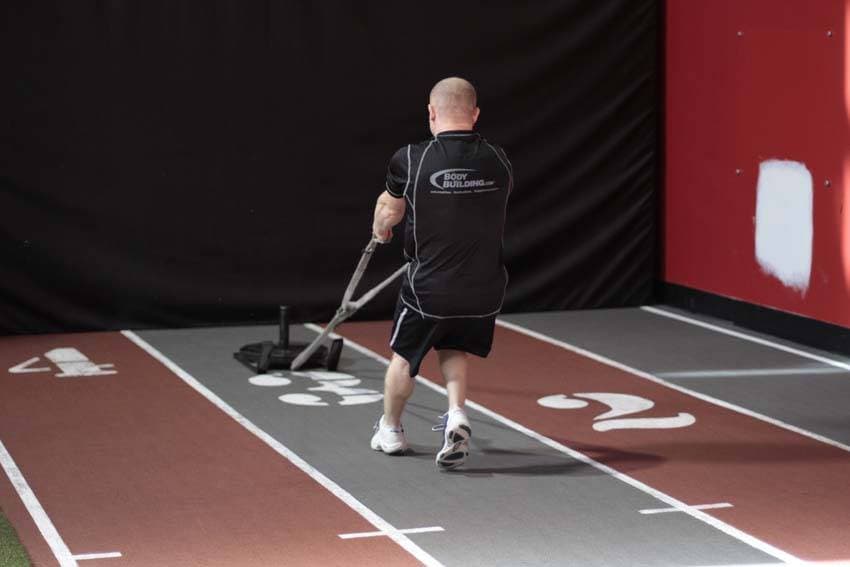
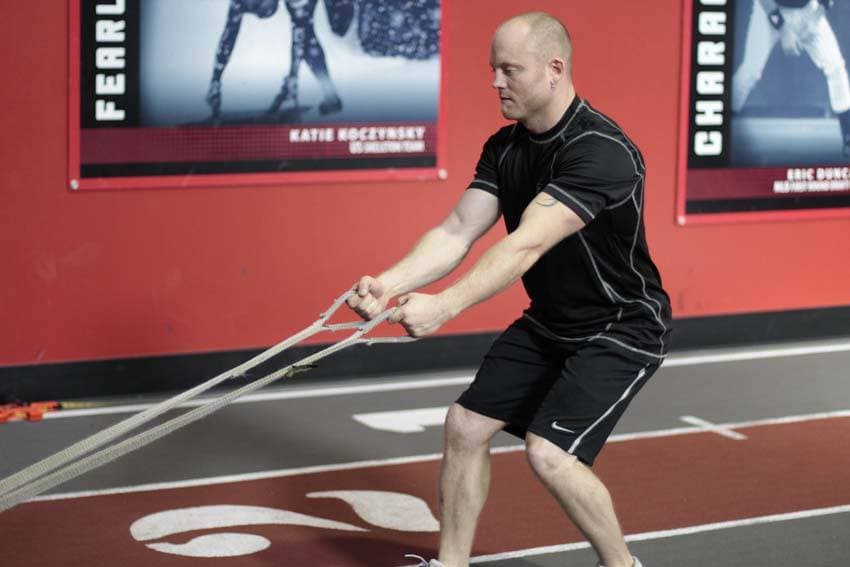
Backward Drag
beginner·other
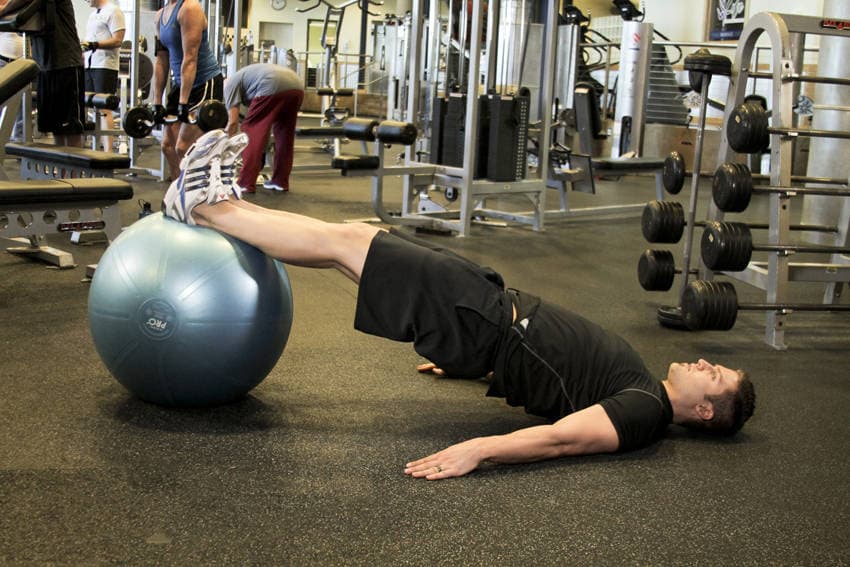
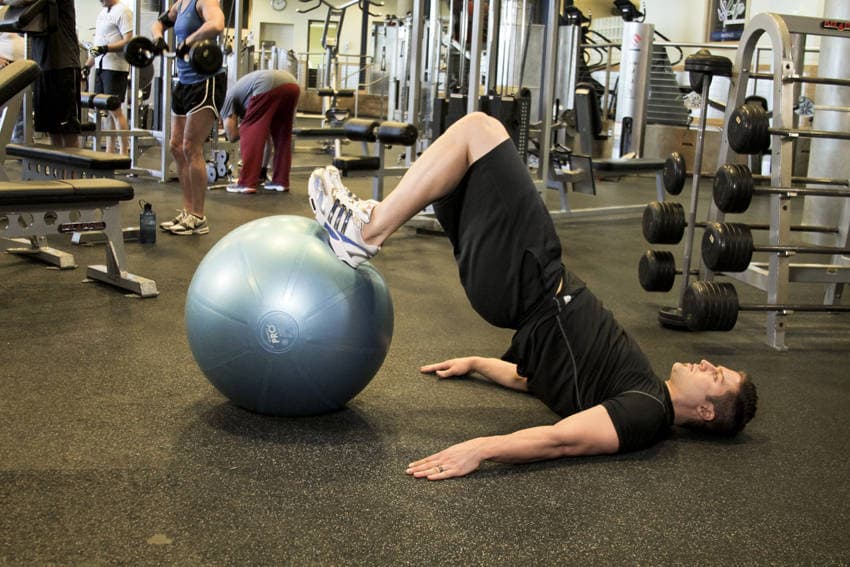
Ball Leg Curl
beginner·exercise ball
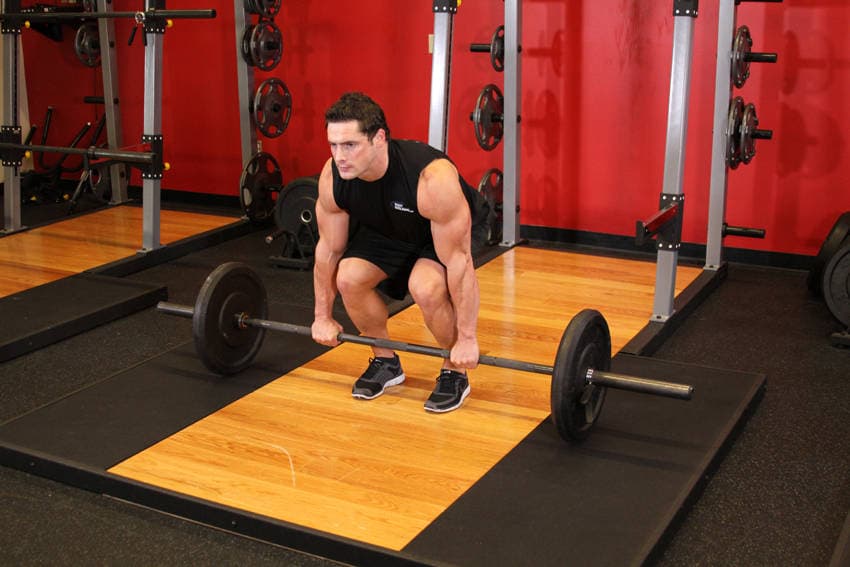
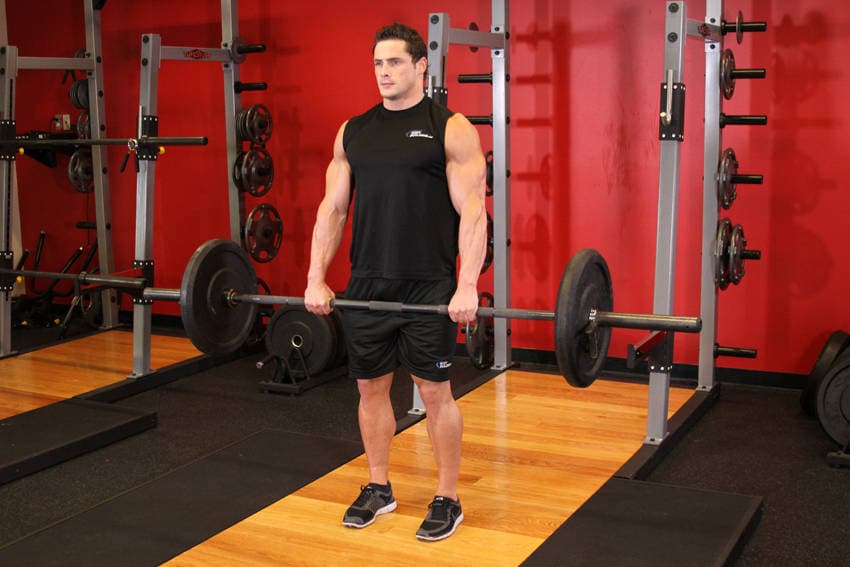
Barbell Deadlift
intermediate·barbell
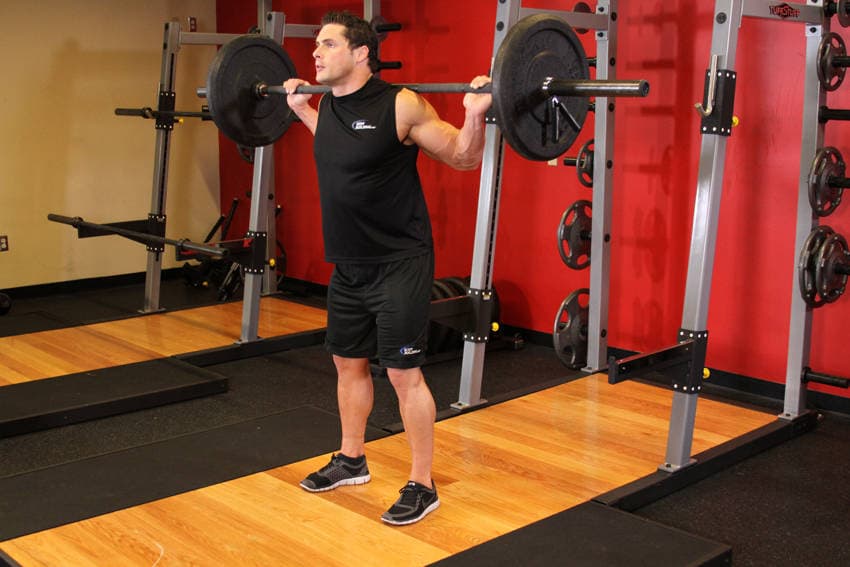
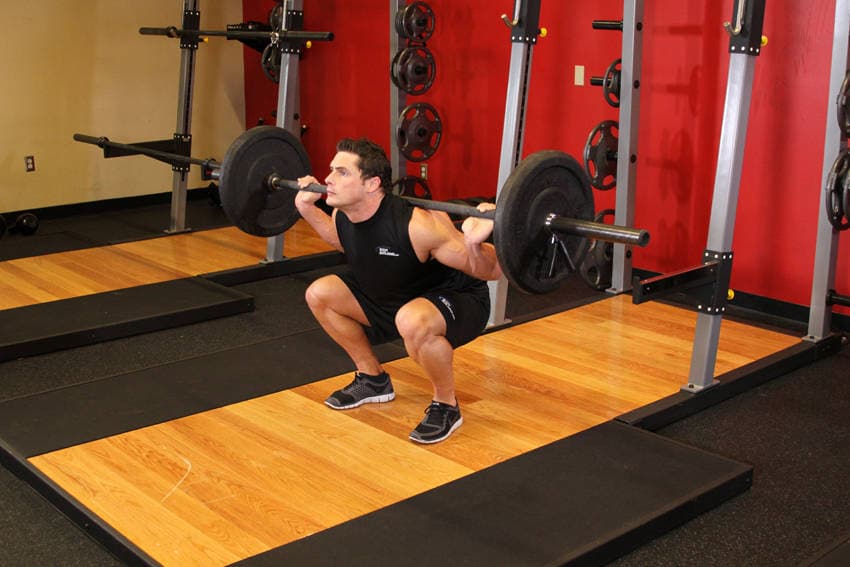
Barbell Full Squat
intermediate·barbell
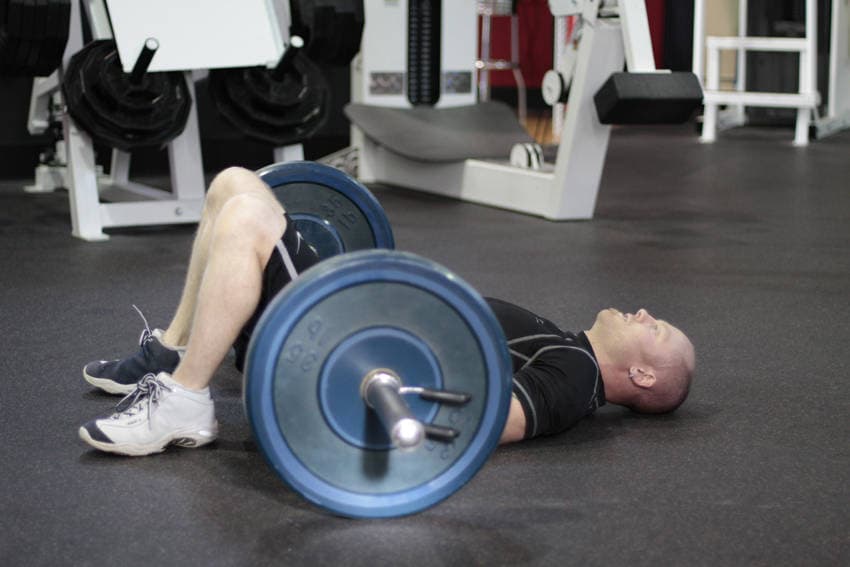
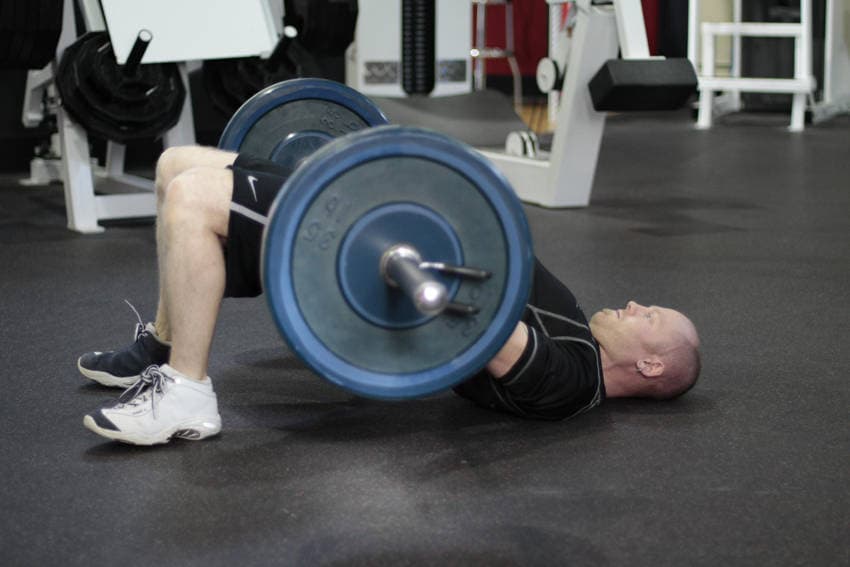
Barbell Glute Bridge
intermediate·barbell
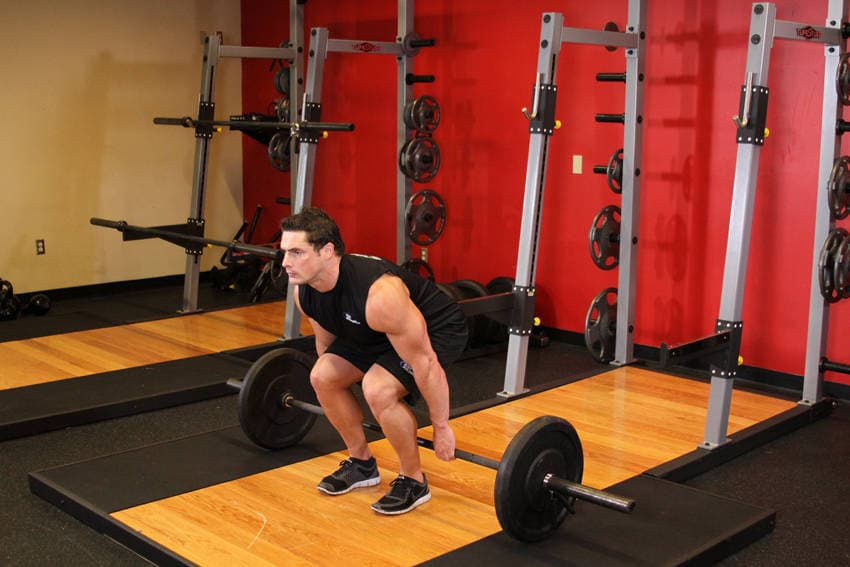
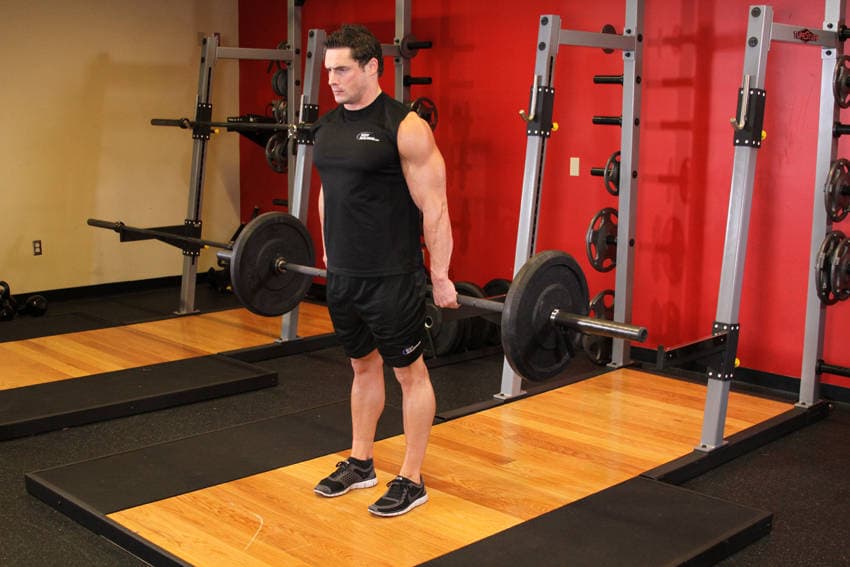
Barbell Hack Squat
intermediate·barbell
Related Foot Muscles
Abductor digiti minimi of left foot
This small muscle on the outer edge of the left foot spreads the little toe away from the others, aiding balance and push-off in gait. It's vital for foot arch stability during running or lateral movements. Runners and athletes appreciate its role in preventing foot pronation issues.
Abductor digiti minimi of right foot
This muscle runs along the outer arch of the right foot, abducting the little toe to support lateral stability and toe-off in walking. Essential for preventing supination injuries in trail running. It matters for overall foot mechanics in dynamic sports.
abductor hallucis
This medial foot muscle abducts and flexes the big toe, supporting the arch and propulsion in walking or sprinting. Key for preventing flat feet and plantar fasciitis. Runners target it for injury prevention and efficiency.
adductor hallucis
Inner foot muscle adducts the big toe, stabilizing the transverse arch during toe-off. Prevents hallux valgus and aids propulsion. Important for barefoot training enthusiasts.
extensor hallucis brevis
The extensor hallucis brevis is a small muscle on the top of the foot that specifically extends the big toe (hallux). It works alongside other extensors to lift the toes during walking or running, preventing toes from dragging. For fitness enthusiasts, it's key for foot stability in activities like sprinting or plyometrics.
First lumbrical of left foot
The first lumbrical of the left foot is a small worm-like muscle that flexes the big toe's base and extends its tip, stabilizing during gait. It fine-tunes toe position for balance in yoga or barefoot training. Key for foot intrinsic strength.
First lumbrical of right foot
The first lumbrical of the right foot flexes the big toe's proximal joint and extends the distal one for precise foot control. Essential for push-off in unilateral sports like kicking. Builds foot dexterity for minimalist shoe training.
flexor accessorius
Flexor accessorius (quadratus plantae) is a flat muscle in the sole of the foot that assists flexing the lateral toes. It aligns toe flexors for even toe curl in gripping surfaces. Useful for climbers and martial artists needing foot grip.
Foot Pain Guide
Common causes and relief
Activities & Sports
See which activities use Fourth lumbrical of right foot