Sports
Tennis
Tennis demands explosive lateral movement from the legs and powerful rotational force from the core for groundstrokes and serves. The shoulder and forearm muscles endure repetitive high-velocity impacts, while the calves and quadriceps enable rapid directional changes. Serving recruits a full kinetic chain from legs through the trunk to the racket arm.
Primary Muscles
Supporting Muscles
Primary Muscles
83Upper Arm
coracobrachialis
The coracobrachialis is a small shoulder flexor deep in the upper arm, bridging coracoid to humerus. It flexes and adducts the arm, stabilizing shoulder in presses. Adds inner arm density for balanced delts.
Shoulder
deltoid
The deltoid is the rounded shoulder cap muscle with anterior, middle, and posterior fibers covering the shoulder joint. It abducts, flexes, and extends the arm for raises and presses. Builds the V-taper and protects the rotator cuff.
Shoulder
infraspinatus muscle
Infraspinatus caps the back of the shoulder blade, externally rotating the arm for throwing and serving. Key rotator cuff muscle for shoulder stability in presses and pulls.
Chest
serratus anterior
Serratus anterior wraps from ribs to scapula, protracting and upwardly rotating the shoulder blade for punches and presses. 'Boxer's muscle' prevents winging, crucial for overhead athletes.
Shoulder
subscapularis
The subscapularis is the anterior rotator cuff muscle filling the scapula's subscapular fossa. It internally rotates the arm and stabilizes the shoulder joint. Crucial for fitness in presses, pulls, and preventing dislocations.
Shoulder
supraspinatus
The supraspinatus tops the rotator cuff on scapula's fossa, initiating shoulder abduction. Vital for overhead presses and impingement prevention in weight training.
Shoulder
teres major
The teres major is a thick muscle from lower scapula to humerus, adducting and internally rotating the arm. 'Lat's little helper' for pulling exercises like rows and pull-ups.
Shoulder
teres minor
The teres minor is a narrow rotator cuff muscle on scapula's lateral border, externally rotating and stabilizing the shoulder. Key for throwing and pressing without winging.
Hand
Abductor digiti minimi of left hand
Located in the pinky side of the left palm, this muscle fans out the little finger for grip adjustments in sports or tools. It supports fine motor control and power grip stability. Climbers and grip athletes rely on it for pinky strength.
Hand
Abductor digiti minimi of right hand
In the right hand's hypothenar area, this muscle abducts the pinky finger, enhancing grip width for tools or sports. Crucial for musicians and weightlifters needing precise finger spread. Builds hand endurance.
Hand
abductor pollicis brevis
The thenar muscle at the thumb base abducts the thumb for pinch grips and opposition. Essential for fine tasks like texting or tools. Thumb trainers value it for dexterity.
Forearm
abductor pollicis longus
This forearm muscle runs to the thumb base, abducting and extending it for radial deviation. Vital for wrist stability in lifts like deadlifts. Forearm specialists train it for grip resilience.
Hand
adductor pollicis
Deep thumb adductor pulls thumb toward palm for key pinch strength. Vital for gripping keys or tools. Handstrength pros train it hard.
Forearm
brachioradialis
The brachioradialis is the thick forearm muscle on the radial (thumb) side, visible in hammer curls. It flexes the elbow in neutral grip, stabilizing during pulls and carries. Builds Popeye forearms for grip strength.
Forearm
extensor carpi radialis brevis
The ECRB is a forearm extensor on the radial side, extending and abducting the wrist. Mid-forearm location builds wrist stability for racquets and grips.
Forearm
extensor carpi radialis longus
The ECRL is the longer radial wrist extensor, more proximal in forearm for powerful extension and abduction. Stabilizes in heavy pulls.
Forearm
extensor carpi ulnaris
The ECU is the ulnar (pinky) wrist extensor in posterior forearm, balancing extension with deviation. Key for stability in sports.
Forearm
extensor digiti minimi
The EDM is a thin forearm muscle specifically extending the pinky finger at knuckles and wrist. Lies ulnar to EDM, aids fine grip control.
Forearm
extensor digitorum
The extensor digitorum is the central posterior forearm muscle, extending fingers 2-5 at knuckles and wrist. Fan-like tendons create dorsal hand ridges for grip extension.
Forearm
extensor indicis
The extensor indicis is a narrow forearm muscle that specifically extends the index finger (pointer finger), independent of the other fingers. It's essential for precise gripping and pointing motions in sports like tennis or climbing. Fitness pros value it for finger independence in grip training.
Forearm
extensor pollicis brevis
The extensor pollicis brevis sits in the forearm and extends the thumb at its base (metacarpophalangeal joint). It powers thumb opposition and pinch grips vital for weightlifting and climbing. For fitness, it's key in maintaining thumb stability during heavy pulls.
Forearm
extensor pollicis longus
Running deep in the forearm, the extensor pollicis longus straightens the thumb's end joint and adducts it. It's crucial for power grips in deadlifts and pinch strength. Athletes train it for thumb endurance in prolonged holds.
Forearm
flexor carpi radialis
Flexor carpi radialis is a forearm muscle that flexes and abducts the wrist toward the thumb side. Vital for hammering motions, pull-ups, and racket swings. Fitness staple for wrist strength in gymnastics and weights.
Hand
Flexor digiti minimi brevis of left hand
In the left hand's hypothenar eminence, this muscle flexes the pinky finger at its base for power grips. Key for musicians and rock climbers needing pinky strength. Enhances grip variety in fitness.
Hand
Flexor digiti minimi brevis of right hand
Right hand hypothenar muscle flexing pinky MCP joint for grip power. Essential for right-handed tools.
Lower Leg
flexor digitorum longus
The flexor digitorum longus is a powerful muscle in the deep posterior compartment of the lower leg, running from the tibia down to the toes. It flexes the four smaller toes and assists in plantarflexion at the ankle, helping with push-off during walking, running, and jumping. Strong flexors like this are crucial for balance, propulsion, and preventing foot drop in athletes.
Forearm
flexor digitorum profundus
Located in the deep anterior forearm, the flexor digitorum profundus flexes the distal joints of fingers 2-5, enabling a strong grip. It's vital for power activities like rock climbing, weightlifting, or crushing a grip trainer. Weakness here leads to dropped fingers and poor hand function.
Forearm
flexor digitorum superficialis
This superficial forearm muscle flexes the middle joints of fingers 2-5, key for precise hand control in sports like tennis or guitar playing. It sits in the anterior forearm, aiding in everything from typing to throwing. Balanced strength prevents imbalances with extensors.
Hand
flexor pollicis brevis
This thumb muscle in the thenar eminence flexes the thumb's base, critical for pinching and precision grips like turning keys or holding tools. It's key for hand strength in weightlifting or racket sports. Imbalances lead to thumb weakness.
Forearm
flexor pollicis longus
Deep in the anterior forearm, flexor pollicis longus flexes the thumb's tip joint, powering thumbs-up gestures and strong grips. Vital for tools, phones, and sports requiring thumb control. Essential for fine motor strength.
Hand
Flexor retinaculum of left wrist
The flexor retinaculum (transverse carpal ligament) is a thick band across the palmar wrist forming the carpal tunnel roof. It holds flexor tendons in place during wrist motion, vital for grip strength in fitness. Imbalances affect hand endurance.
Hand
Flexor retinaculum of right wrist
The right wrist's flexor retinaculum secures flexor tendons through the carpal tunnel, enabling smooth wrist flexion in daily and athletic tasks. It supports grip integrity during pulls and presses. Dysfunction leads to hand fatigue.
Forearm
Humeral head of left flexor carpi ulnaris
The humeral head of the left flexor carpi ulnaris is the upper arm-origin portion of this forearm muscle on your left side, running from the inner elbow down to your wrist. It flexes and adducts the wrist, stabilizing it during gripping and weight-bearing activities. Strong FCU matters for forearm endurance in sports like tennis or climbing.
Forearm
Humeral head of left pronator teres
The humeral head of the left pronator teres originates from your left inner elbow and crosses to the mid-forearm, rotating the forearm palm-down. It's key for turning motions in daily tasks and sports like golf or throwing. Building it prevents forearm fatigue and rotation imbalances.
Forearm
Humeral head of right flexor carpi ulnaris
The humeral head of the right flexor carpi ulnaris starts at the inner elbow on your right side and runs to the wrist, enabling wrist bend and pinky-side tilt. Vital for right-handed grip strength in tools, weights, or racquets. It supports unilateral forearm power in asymmetric training.
Forearm
Humeral head of right pronator teres
This right-side humeral head of pronator teres links inner right elbow to mid-forearm, powering palm-down rotation for throwing, swinging, or tool use. Essential for right-dominant athletes to balance forearm rotators and avoid overuse.
Foot
Opponens digiti minimi of left foot
Small intrinsic foot muscle opposing pinky toe for transverse arch stability. Aids push-off in sprinting. Rarely isolated but supports forefoot dexterity in climbers.
Hand
Opponens digiti minimi of left hand
Hypothenar muscle opposing pinky finger to cup the palm for grip strength. Enhances power grip in weightlifting and climbing. Weakness affects fine motor tasks.
Foot
Opponens digiti minimi of right foot
The opponens digiti minimi is a small intrinsic muscle in the sole of the right foot that helps oppose the little toe against the other toes. It plays a key role in fine motor control for foot dexterity, which is vital for balance during activities like running on uneven terrain or gripping with toes in climbing. Fitness enthusiasts appreciate it for enhancing foot stability and preventing injuries in high-impact sports.
Hand
Opponens digiti minimi of right hand
This small muscle in the hypothenar eminence of the right hand enables opposition of the little finger, crucial for powerful grips like holding tools or barbells. It's essential for hand dexterity in weightlifting and climbing. Strengthening it improves overall grip strength and prevents hand fatigue.
Hand
opponens pollicis
The opponens pollicis sits at the base of the thumb in the thenar eminence, rotating the thumb to oppose the fingers for pinching and gripping. Vital for weightlifters handling barbells or dumbbells securely. It enhances precision in fitness activities like kettlebell work.
Forearm
palmaris longus
The palmaris longus is a slender forearm muscle running from elbow to palm, aiding wrist flexion and tensing the palmar aponeurosis for grip. Absent in 14% of people, it's key for climbers and grip athletes. It contributes to forearm endurance in pulling exercises.
Forearm
pronator quadratus
Deep forearm muscle between radius/ulna pronating the forearm (palm down) for screwdriver grips. Key for wrist stability in deadlifts. Enhances rotational forearm strength.
Hand
Set of dorsal interossei of left hand
These four small fan-shaped muscles on the back of the left hand abduct the fingers away from the middle finger. They work with other intrinsics for fine motor control and grip strength. Important for grip-intensive fitness like climbing or weightlifting.
Hand
Set of dorsal interossei of right hand
These four small fan-shaped muscles on the back of the right hand abduct the fingers away from the middle finger. They enable precise finger spreading and grip control. Crucial for hand-intensive sports and weight training.
Hand
Set of lumbricals of left hand
Worm-like muscles in left hand palm flexing knuckles while extending fingers for writing/gripping. Essential for fine motor fitness tasks.
Hand
Set of lumbricals of right hand
Same as left but right hand; key for dexterity.
Hand
Set of palmar interossei of left hand
Three muscles in left palm adducting fingers toward middle. Grip power for fitness.
Hand
Set of palmar interossei of right hand
Right palm adductors for grip.
Forearm
supinator
The supinator wraps around the upper forearm, supinating (turning palm up) the radius over the ulna. Essential for twisting motions in sports and daily lifts. Key for forearm endurance in grip-heavy training.
Foot
Third lumbrical of left foot
The third lumbrical of the left foot is a small worm-like muscle flexing the proximal toes for balance. Specific to left foot 3rd-4th toe interspace. Aids push-off in running/squats.
Foot
Third lumbrical of right foot
The third lumbrical of the right foot flexes proximal and extends distal phalanges of 4th toe for propulsion. Right foot specific. Enhances foot stability in unilateral training.
Forearm
Ulnar head of left flexor carpi ulnaris
The ulnar head is the larger part of the left flexor carpi ulnaris, on the medial forearm flexing and adducting the wrist. Essential for grip strength, hammering, and racket sports. Balances forearm for injury prevention.
Forearm
Ulnar head of left pronator teres
The ulnar head forms the deep ulnar part of the left pronator teres, pronating the forearm (palm down). Key for twisting motions like turning doorknobs or tennis serves. Supports grip and elbow stability.
Forearm
Ulnar head of right flexor carpi ulnaris
The ulnar head is the main portion of the right flexor carpi ulnaris on inner forearm, flexing and ulnar deviating wrist. Vital for strong grips in pulls and sports.
Forearm
Ulnar head of right pronator teres
Ulnar head of right pronator teres deep in proximal forearm, drives pronation. Important for rotational power.
Thigh
rectus femoris
The rectus femoris is the central quad muscle crossing both hip and knee, visible as the teardrop above your knee. It flexes the hip and extends the knee, powering sprints, jumps, and squats. Balanced development prevents knee pain in athletes.
Thigh
vastus intermedius
Deep central quad muscle under rectus femoris, extends knee powerfully. Core quad for squats and jumps.
Thigh
vastus lateralis
Largest quad on outer thigh, massive knee extender for lateral stability in lunges and sprints.
Thigh
vastus medialis
Teardrop inner quad (VMO) stabilizes patella, key for knee health in deep squats.
Foot
Abductor digiti minimi of left foot
This small muscle on the outer edge of the left foot spreads the little toe away from the others, aiding balance and push-off in gait. It's vital for foot arch stability during running or lateral movements. Runners and athletes appreciate its role in preventing foot pronation issues.
Foot
Abductor digiti minimi of right foot
This muscle runs along the outer arch of the right foot, abducting the little toe to support lateral stability and toe-off in walking. Essential for preventing supination injuries in trail running. It matters for overall foot mechanics in dynamic sports.
Foot
abductor hallucis
This medial foot muscle abducts and flexes the big toe, supporting the arch and propulsion in walking or sprinting. Key for preventing flat feet and plantar fasciitis. Runners target it for injury prevention and efficiency.
Foot
adductor hallucis
Inner foot muscle adducts the big toe, stabilizing the transverse arch during toe-off. Prevents hallux valgus and aids propulsion. Important for barefoot training enthusiasts.
Foot
extensor hallucis brevis
The extensor hallucis brevis is a small muscle on the top of the foot that specifically extends the big toe (hallux). It works alongside other extensors to lift the toes during walking or running, preventing toes from dragging. For fitness enthusiasts, it's key for foot stability in activities like sprinting or plyometrics.
Lower Leg
extensor hallucis longus
The extensor hallucis longus runs down the front of the lower leg and extends the big toe while also assisting in dorsiflexion of the ankle. It's crucial for clearing the foot during the swing phase of gait in runners and athletes. Strong EHL prevents foot drop and enhances explosive movements like jumping.
Lower Leg
fibularis brevis
The fibularis brevis, aka peroneus brevis, lies low on the outer lower leg and everts the foot while plantarflexing it. It's essential for lateral stability in running, surfing, or agility drills. Fitness athletes strengthen it to prevent ankle rolls.
Lower Leg
fibularis longus
The fibularis longus runs along the outer lower leg, crossing under the foot to evert and stabilize the arch. It powers push-off in sprinting and side-to-side movements. Crucial for runners to avoid ankle sprains and maintain foot alignment.
Lower Leg
fibularis tertius
The fibularis tertius is a small muscle on the front-outer lower leg that assists in dorsiflexion and eversion. It's active in quick foot lifts during running or hiking. Often absent, but when present, aids ankle agility in sports.
Foot
First lumbrical of left foot
The first lumbrical of the left foot is a small worm-like muscle that flexes the big toe's base and extends its tip, stabilizing during gait. It fine-tunes toe position for balance in yoga or barefoot training. Key for foot intrinsic strength.
Foot
First lumbrical of right foot
The first lumbrical of the right foot flexes the big toe's proximal joint and extends the distal one for precise foot control. Essential for push-off in unilateral sports like kicking. Builds foot dexterity for minimalist shoe training.
Foot
flexor accessorius
Flexor accessorius (quadratus plantae) is a flat muscle in the sole of the foot that assists flexing the lateral toes. It aligns toe flexors for even toe curl in gripping surfaces. Useful for climbers and martial artists needing foot grip.
Foot
Flexor digiti minimi brevis of left foot
This small muscle in the left foot's sole flexes the pinky toe at its base. It aids toe grip for balance on uneven terrain. Relevant for barefoot runners enhancing foot intrinsics.
Foot
Flexor digiti minimi brevis of right foot
Right foot's flexor digiti minimi brevis flexes the pinky toe base, aiding lateral stability. Supports arch in lateral movements. Train for foot resilience.
Foot
flexor digitorum brevis
Flexor digitorum brevis in the foot sole flexes the four lateral toes at their base for propulsion and balance. Critical for arch support and barefoot stability in fitness.
Foot
flexor hallucis brevis
The flexor hallucis brevis is a short muscle in the sole of the foot that flexes the big toe's proximal joint. It stabilizes the arch during walking and running, crucial for propulsion and balance in barefoot training or sprinting. Weakness contributes to flat feet and poor push-off power.
Lower Leg
flexor hallucis longus
Running deep in the calf's posterior compartment, the flexor hallucis longus flexes the big toe and plantarflexes the ankle. It's essential for powerful push-off in sprinting, ballet, and hill running. Athletes rely on it for toe grip on uneven terrain.
Foot
Fourth lumbrical of left foot
The fourth lumbrical of the left foot is a small intrinsic muscle flexing the 4th toe's base and extending its middle/distal joints. It fine-tunes toe position for balance on uneven surfaces during hikes or agility drills. Helps prevent claw toes.
Foot
Fourth lumbrical of right foot
Small worm-like muscle in right foot sole, the fourth lumbrical flexes metatarsophalangeal joint and extends IP joints of 4th toe. Aids precise foot control in sports like soccer. Prevents toe curling issues.
Lower Leg
gastrocnemius
The gastrocnemius forms the visible calf bulge, crossing knee and ankle for explosive plantarflexion. Key for sprinting, jumping, and calf raises. Two heads make it powerful for athletic propulsion.
Lower Leg
plantaris
The plantaris is a thin, vestigial calf muscle aiding knee flexion and plantarflexion, like a minor gas pedal muscle. Often ruptured without issue due to redundancy. Useful for explosive calf power in jumping.
Lower Leg
soleus
Broad flat muscle deep to gastrocnemius in calf, plantarflexes ankle for standing/walking. Powers propulsion in running/squats; endurance king.
Lower Leg
tibialis posterior
Hidden deep in the calf behind the tibia, the tibialis posterior supports your arch and stabilizes the ankle. It inverts the foot and assists plantarflexion, vital for push-off in running and preventing flat feet. Weakness leads to overpronation and foot pain during activity.
Supporting Muscles
42Abdomen
Diaphragm
The diaphragm is the dome-shaped breathing muscle separating chest from abdomen, contracting to inhale. Central tendon anchors it, essential for core bracing in lifts and endurance.
Pelvis
External anal sphincter
The external anal sphincter is a skeletal muscle ring around the anus that you can consciously control for bowel movements. It maintains continence during daily activities and is strengthened via Kegels for pelvic floor health. Important for athletes in high-impact sports to prevent incontinence.
Abdomen
external oblique
External obliques form the outer 'V' of your abs on each side, rotating and side-bending the torso while compressing the abdomen. They're powerhouse muscles for rotational power in sports like golf, boxing, and throws. Train them for a defined waist and core stability.
Hip
iliacus
The iliacus is the fan-shaped hip flexor filling your pelvis bowl, partnering with psoas to lift the thigh. Crucial for running, kicking, and rising from sits. Tight iliacus contributes to anterior pelvic tilt and lower back strain in fitness enthusiasts.
Abdomen
psoas major
The psoas major is a deep hip flexor from spine to thigh, lifting knees in running/squats. Core to posture and power; tightness causes low back pain.
Pelvis
pubococcygeus
Part of pelvic floor, the pubococcygeus supports bladder/bowel, aids continence and core stability. Crucial for intra-abdominal pressure in heavy lifts like squats.
Hip
gemellus inferior
Small deep rotator in the hip, gemellus inferior laterally rotates and stabilizes the thigh. Works with piriformis in squats and pivots. Crucial for hip control in sports.
Hip
gemellus superior
Tiny hip muscle above ischial spine, gemellus superior laterally rotates femur. Assists in twisting sports and hip stability. Part of deep six rotators.
Hip
gluteus maximus
Largest hip muscle, gluteus maximus extends and externally rotates thigh for powerful hip thrust in squats, deadlifts, running. King of posterior chain.
Hip
gluteus medius
Side hip muscle for abduction and stabilization during single-leg stance in running, squats. Prevents Trendelenburg gait.
Hip
gluteus minimus
Deepest glute under medius, minimus abducts and internally rotates hip. Key stabilizer for balance in yoga, hiking.
Hip
piriformis
The piriformis is a deep hip rotator in the glutes, externally rotating the hip for balance in squats and deadlifts. Tightness often causes sciatica-like pain. Essential for hip mobility in athletes.
Hip
quadratus femoris
Deep hip external rotator between ischium/femur for leg stability in single-leg work. Prevents twisting injuries in sports.
Thigh
biceps femoris
The biceps femoris is the lateral hamstring on the back of the thigh, with long and short heads forming a thick band from hip to knee. It flexes the knee, extends the hip, and rotates the leg outward, vital for running, jumping, and deadlifts. Key for posterior chain power and injury prevention.
Thigh
gracilis
Long, thin medial thigh muscle adducting and flexing knee. Aids cutting movements in soccer, stabilizing in squats.
Lower Leg
popliteus
The popliteus is a small knee muscle behind the joint that 'unlocks' the knee from full extension for flexion. Crucial for downhill running and pivoting in sports. Prevents knee hyperextension.
Thigh
semimembranosus
The semimembranosus is a posterior thigh hamstring forming the teardrop at knee back, flexing knee and extending hip. Powers deadlifts, lunges, and deceleration in sports. Prevents ACL strains by stabilizing.
Thigh
semitendinosus
Semitendinosus is the slender medial hamstring with a long tendon, flexing knee and extending hip. Aids in medial knee stability for cutting sports. Complements semimembranosus for balanced posterior chain.
Forearm
anconeus
Tiny elbow extensor at back upper forearm, stabilizes during pressing and gripping. Aids triceps in extensions. Powerlifters note its elbow lockout role.
Upper Arm
triceps brachii
The triceps brachii is the horseshoe-shaped muscle on the back of your upper arm with three heads. It extends the elbow for pushing movements like bench presses and dips. Crucial for arm strength, lockouts in lifts, and overall upper body power.
Chest
Abdominal part of left pectoralis major
The abdominal part of the left pectoralis major is the lower portion of the left chest's primary pushing muscle, attaching from the sternum down to the ribs near the abdomen. It drives shoulder adduction and flexion, crucial for powerful presses like bench variations and dips. Fitness enthusiasts target it for that defined lower chest line in bodybuilding.
Chest
Abdominal part of right pectoralis major
The abdominal part of the right pectoralis major forms the lower section of the right chest's main power muscle, spanning from the sternum to the abdominal ribs. It excels in adduction and flexion for presses and flyes, key for balanced chest development. Gym-goers love it for carving out that teardrop lower chest aesthetic.
Chest
Anterior papillary muscle of right ventricle
This cardiac muscle inside the right ventricle anchors mitral valve leaflets for proper heart pumping. Not skeletal, but endurance training optimizes heart efficiency. Matters for cardio performance indirectly.
Chest
Anterolateral head of lateral papillary muscle of left ventricle
Specialized head of left heart papillary muscle securing mitral valve for left ventricle ejection. Critical for oxygenated blood flow. Athletes benefit from cardiac hypertrophy here.
Chest
External intercostal muscle
External intercostals are thin muscles between the ribs that elevate them during inhalation, aiding deep breathing for core stability in lifts. They're vital for endurance athletes needing efficient oxygen uptake. Fitness training enhances respiratory muscle power.
Chest
Innermost intercostal muscle
Innermost intercostals are deep rib muscles aiding forced expiration like coughing. Support breathing in high-intensity training.
Chest
Internal intercostal muscle
Internal intercostals between ribs assist expiration and stabilize chest in lifts.
Chest
Lateral papillary muscle of left ventricle
Papillary muscle in heart's left ventricle anchors mitral valve to prevent backflow. Endurance training strengthens indirectly.
Chest
pectoralis major
The massive pectoralis major covers the chest, powering arm adduction, flexion, and rotation for bench presses and push-ups. It's the prime mover for upper body pushing strength in fitness. Building it creates that powerful chest aesthetic.
Chest
pectoralis minor
Under the pec major, the pectoralis minor stabilizes the scapula, aiding shoulder protraction in dips and push-ups. Key for shoulder health in overhead athletes. It prevents winging scapula in fitness training.
Chest
transversus thoracis
The transversus thoracis are thin muscle bands on the inner chest wall beneath the sternum. They compress the chest during forced exhalation and stabilize the ribs. Important for deep breathing control in fitness and core stability.
Pelvis
iliococcygeus
The iliococcygeus forms the back part of the pelvic floor, spanning from pelvis to tailbone, supporting organs and pelvic stability. Important for core integrity in heavy lifts and preventing incontinence. Weakness shows in squats or postpartum.
Lower Back
iliocostalis lumborum
Iliocostalis lumborum is the lumbar erector spinae muscle along the back, from iliac crest to lower ribs, maintaining upright posture and spinal extension. Critical for deadlifts, squats, and anti-rotation core work.
Upper Back
longissimus thoracis
The longest erector spinae muscle, running parallel to the spine from sacrum to mid-back, it extends the spine and maintains upright posture. Essential for deadlifts, squats, and spinal stability in powerlifting. Weakness leads to back rounding under load.
Lower Back
lumbar rotator
Lumbar rotators (multifidus and rotatores lumborum) are deep spinal muscles that rotate and stabilize individual lumbar vertebrae. They prevent twisting injuries during rotational lifts like Russian twists. Essential for core stability in CrossFit and golf swings.
Upper Back
semispinalis thoracis
Semispinalis thoracis is a deep erector spinae muscle from thoracic spine, extending the vertebral column. Maintains thoracic posture during deadlifts and rows. Prevents slouching in prolonged sitting.
Lower Back
serratus posterior inferior
Deep muscle from lower thoracic spine to lower ribs, draws ribs down and back for exhalation. Aids breathing in heavy lifts like deadlifts.
Lower Back
Set of interspinales lumborum
Small muscles between lumbar spinous processes that extend and stabilize the lower back. Key for spinal integrity during squats and deadlifts. Fitness pros target them for back health.
Upper Back
Spinalis
Medial erector spinae column spanning thoracic/cervical, extends spine unilaterally/ bilaterally. Core for upright posture in lifts.
Pelvis
Tendinous arch of levator ani
The tendinous arch of levator ani is a fibrous white line on the pelvic sidewall anchoring levator ani muscles for pelvic floor support. It transmits fascia for stability during lifts. Critical for core integrity in squats and deadlifts.
Upper Arm
biceps brachii
The biceps brachii is the iconic front-of-arm muscle with two heads, located on the front of the upper arm from shoulder to elbow. It flexes the elbow and supinates the forearm, powering curls and underhand pulls. Essential for arm strength and aesthetics in any fitness routine.
Upper Arm
brachialis
The brachialis lies deep under the biceps in the lower front upper arm, the true powerhouse for elbow flexion. It works silently in every curl, providing thick arm mass without the peak. Crucial for heavy pulling and functional strength.
Recommended Exercises
12
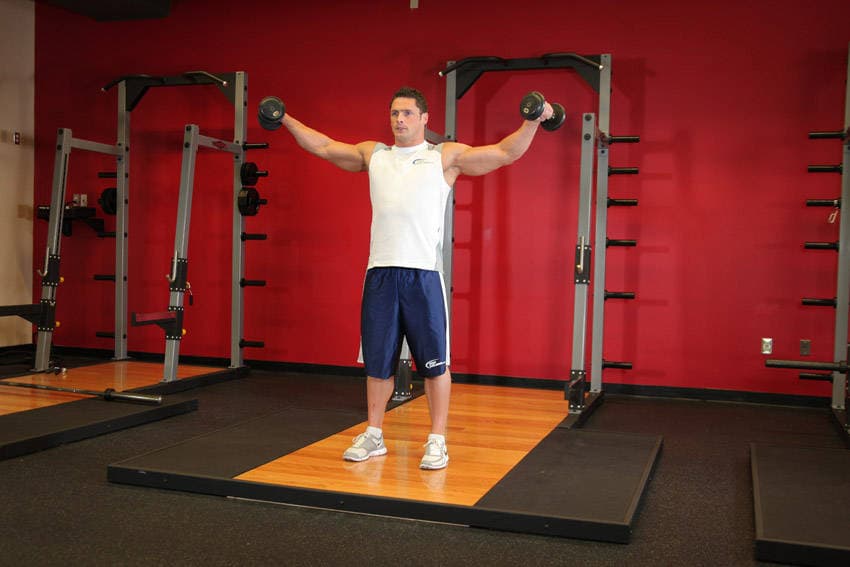
Side Lateral Raise


Palms-Up Barbell Wrist Curl Over A Bench
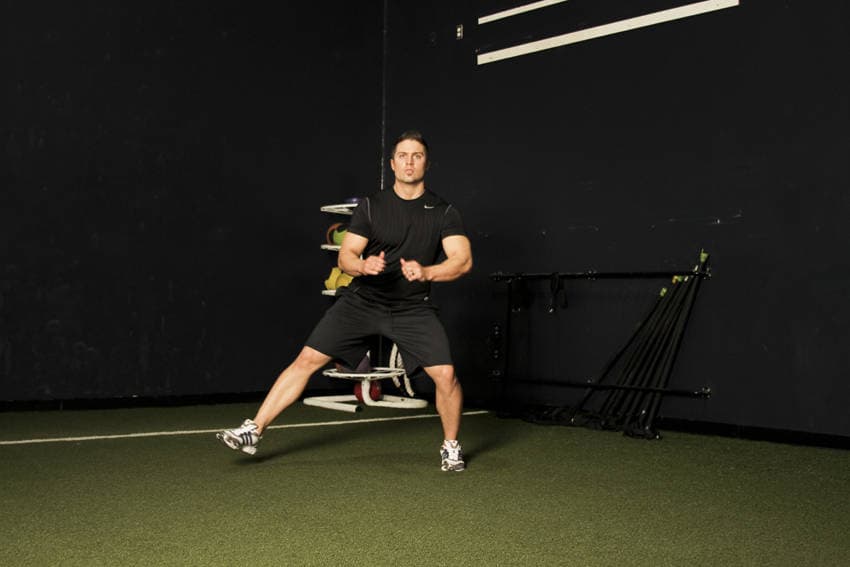
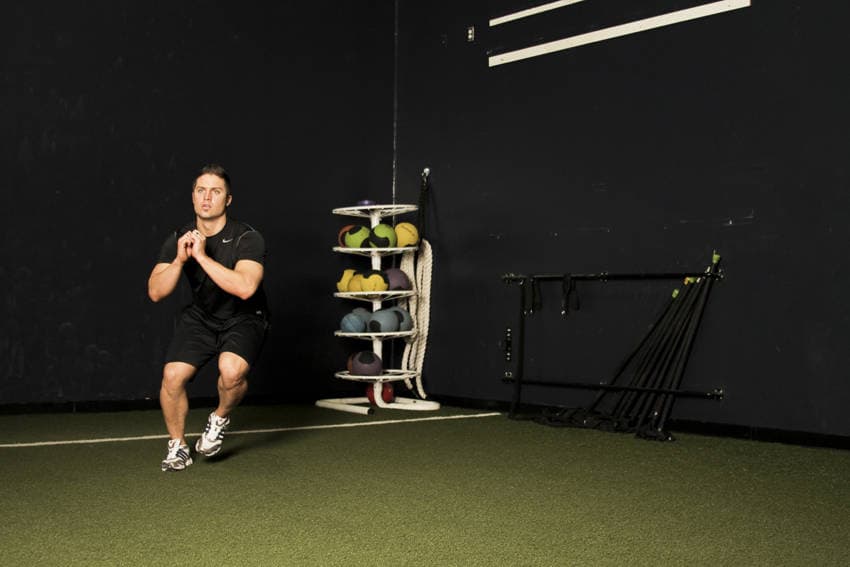
Lateral Bound
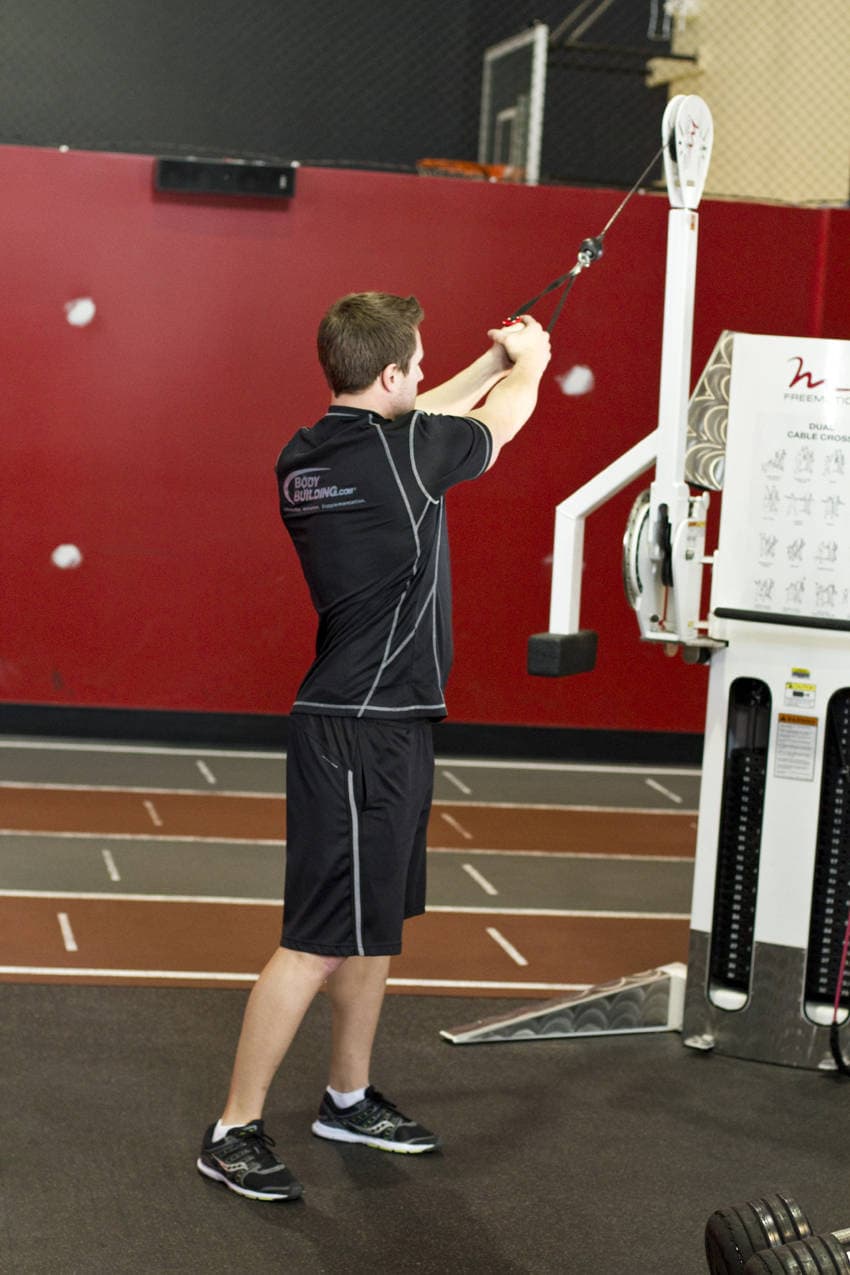
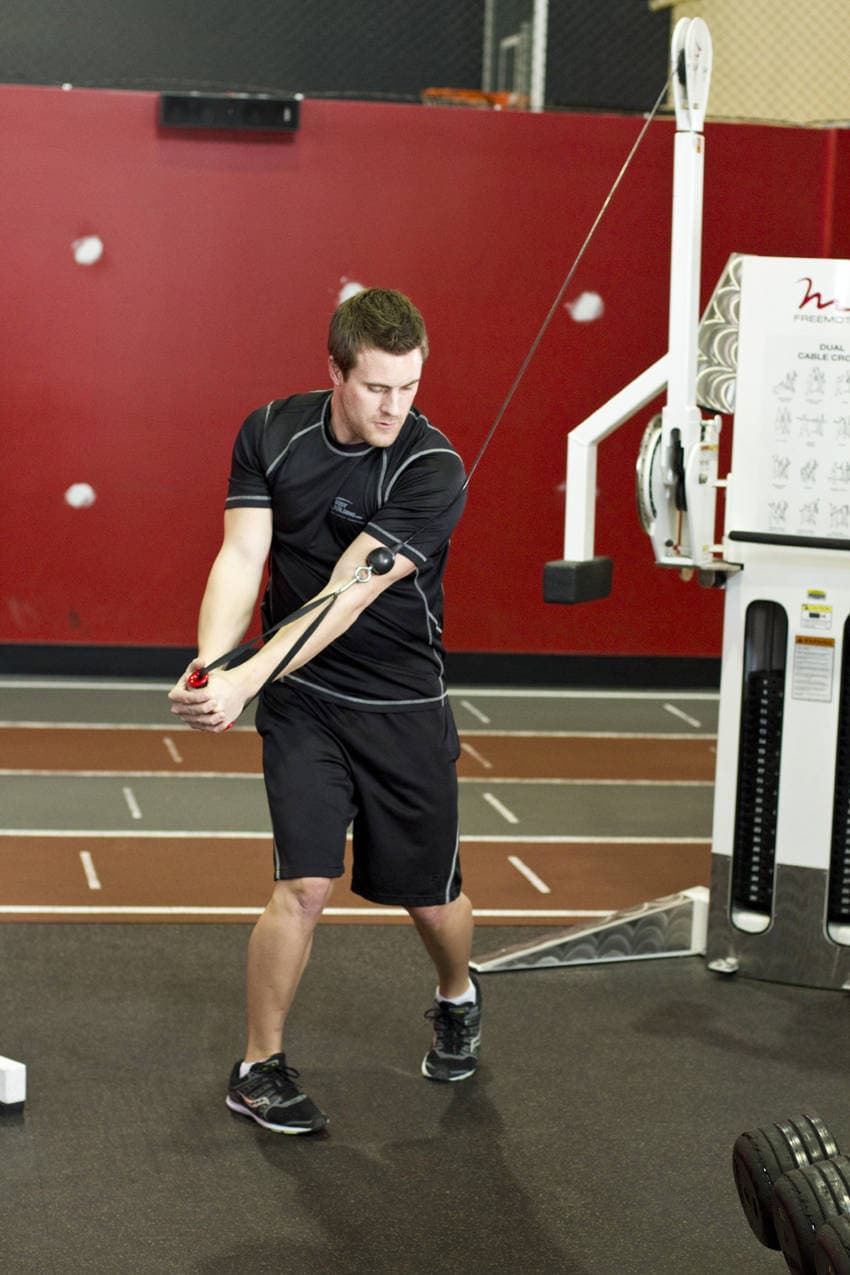
Standing Cable Wood Chop
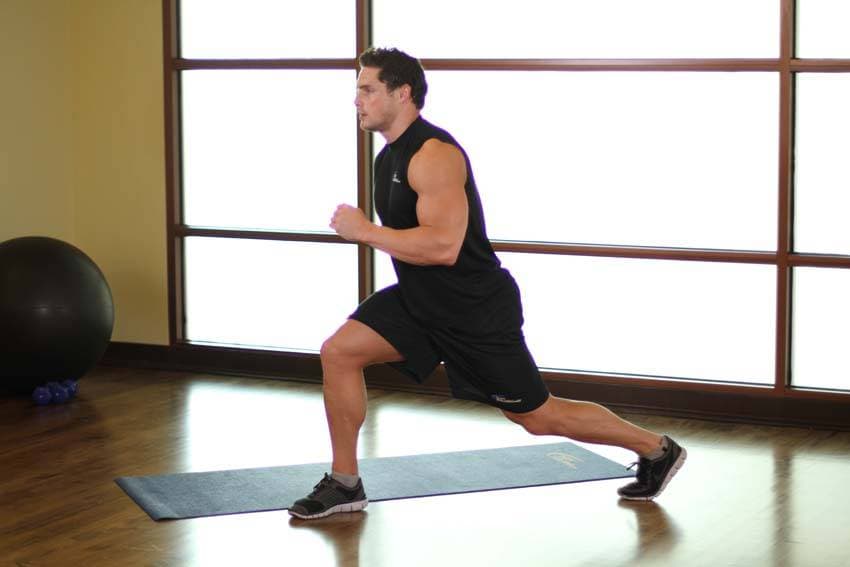
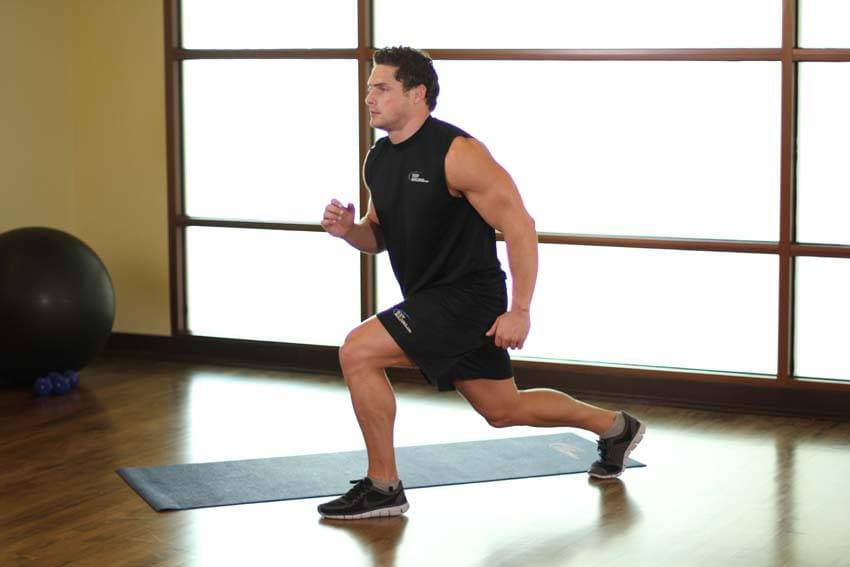
Split Squats
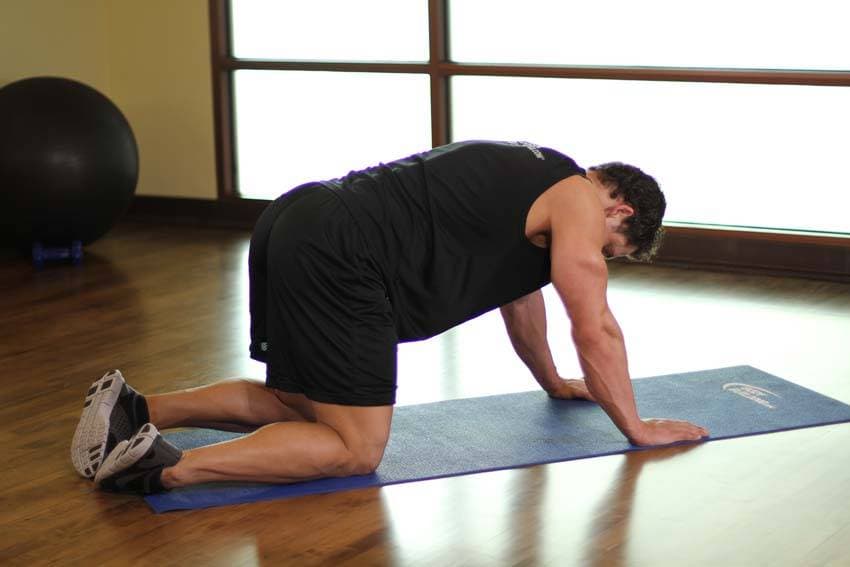
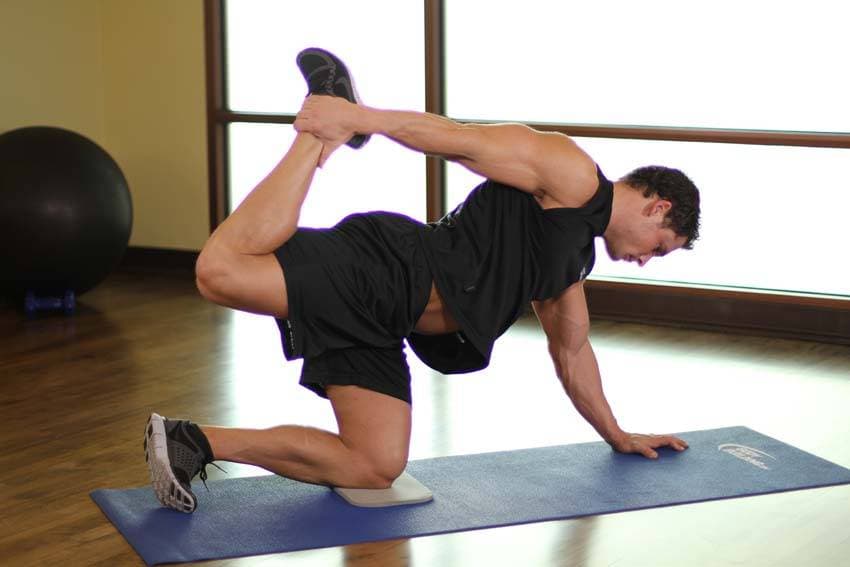
All Fours Quad Stretch
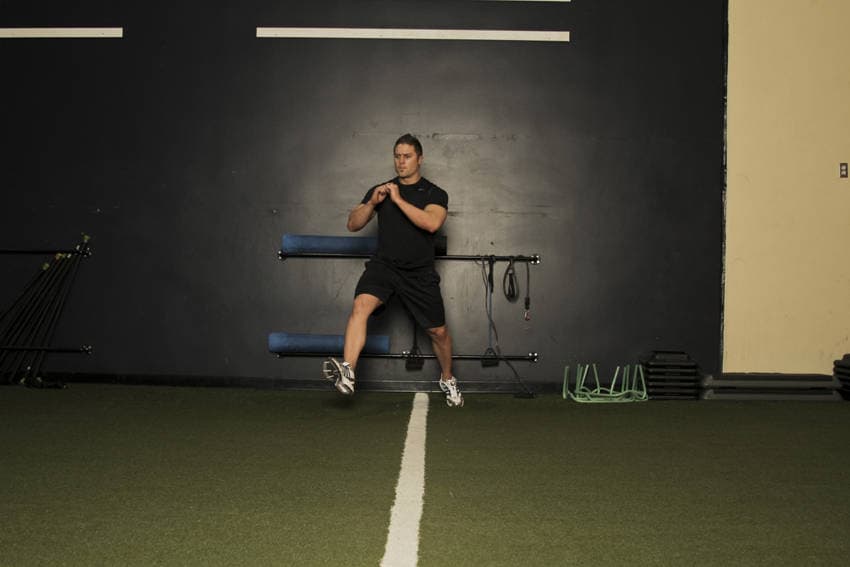
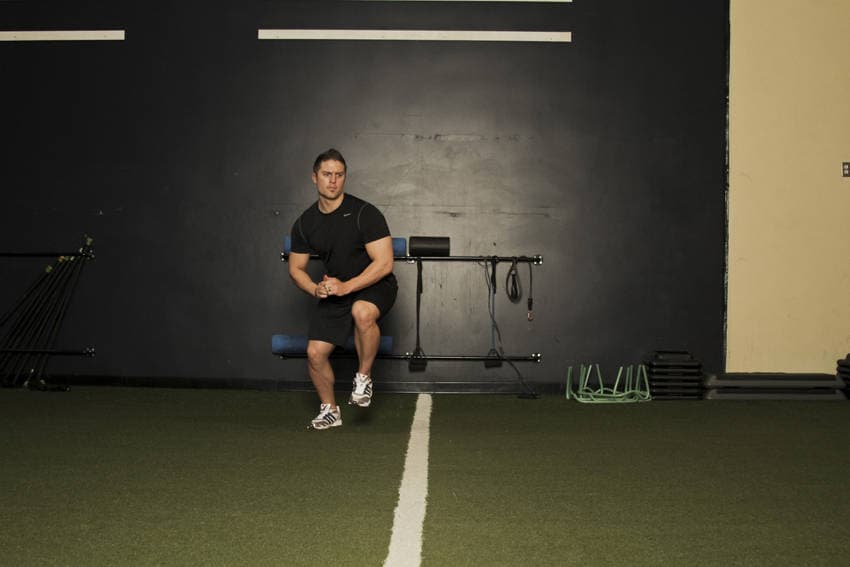
Alternate Leg Diagonal Bound
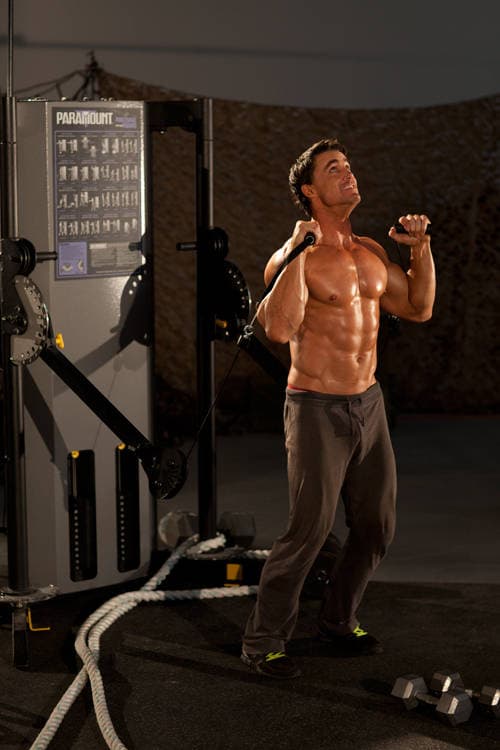
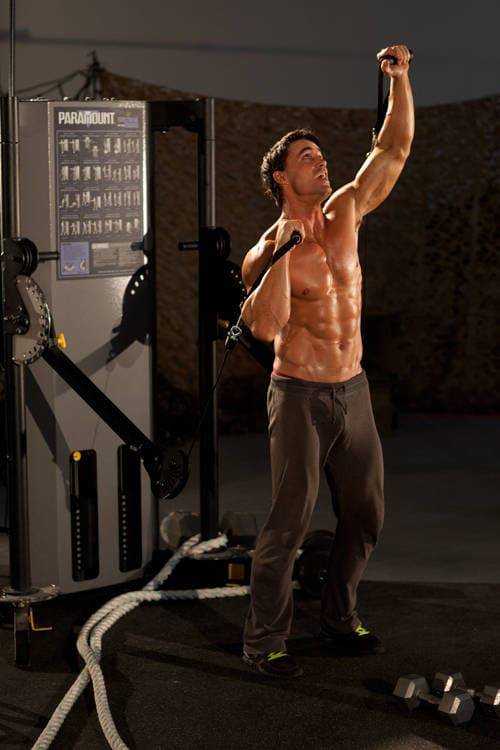
Alternating Cable Shoulder Press
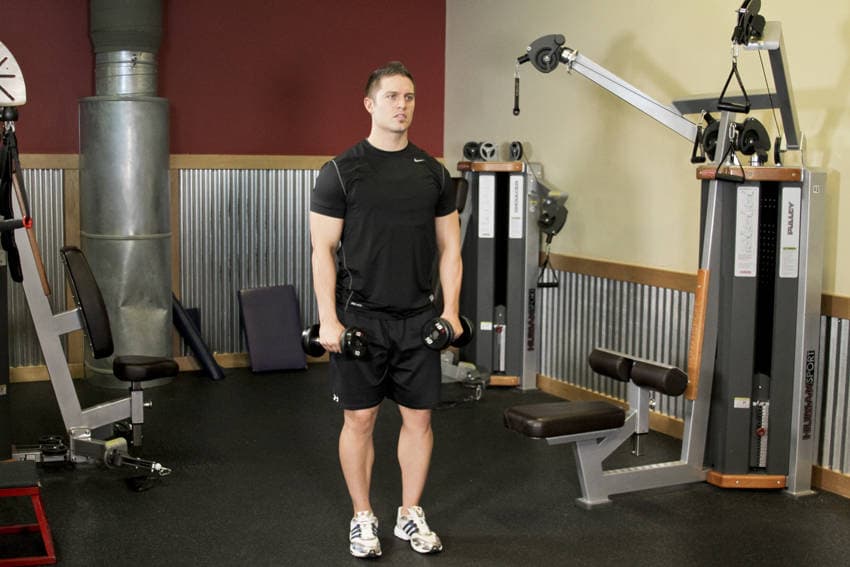
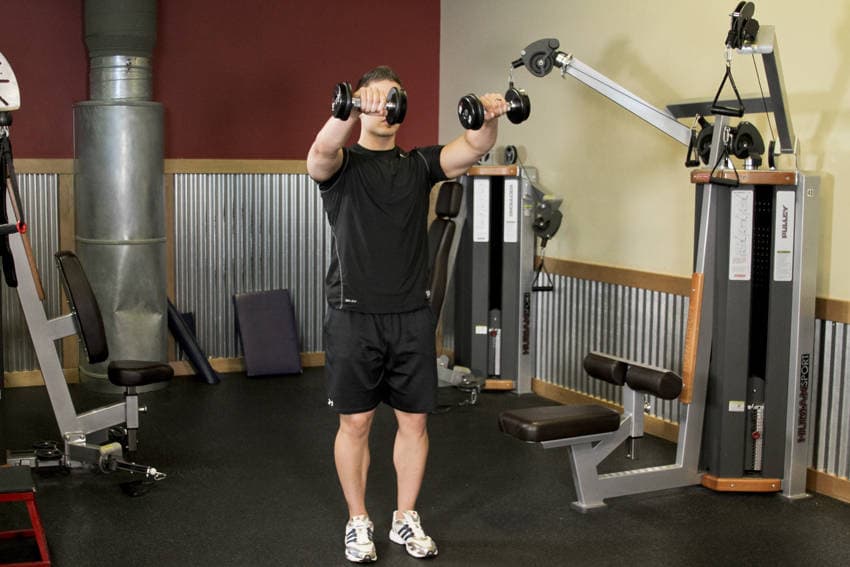
Alternating Deltoid Raise
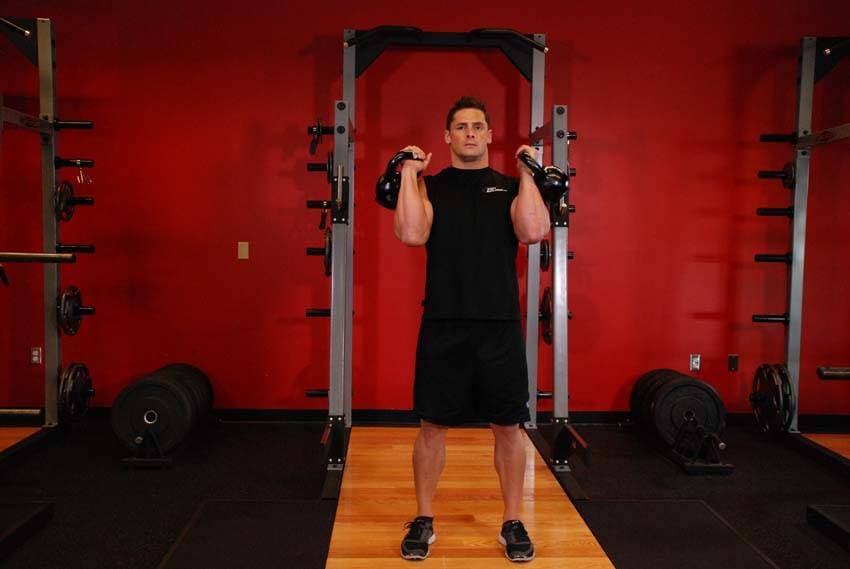
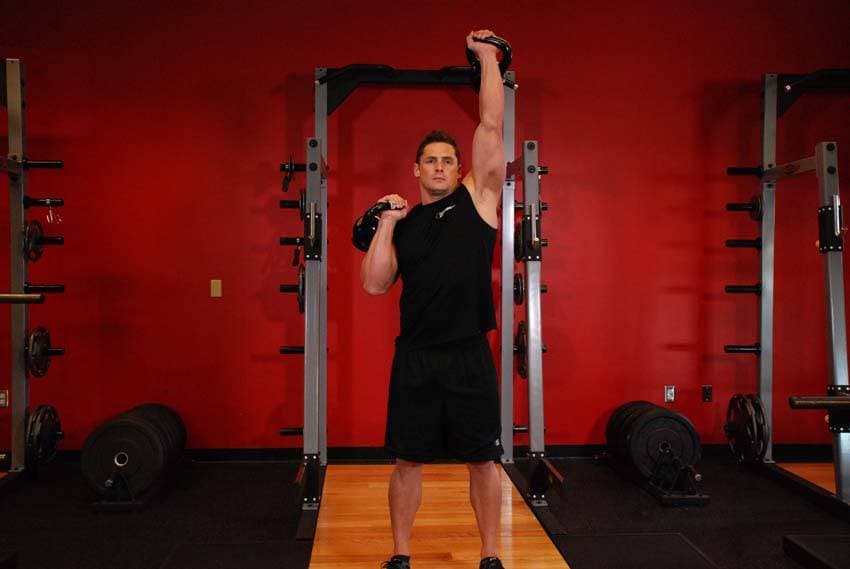
Alternating Kettlebell Press
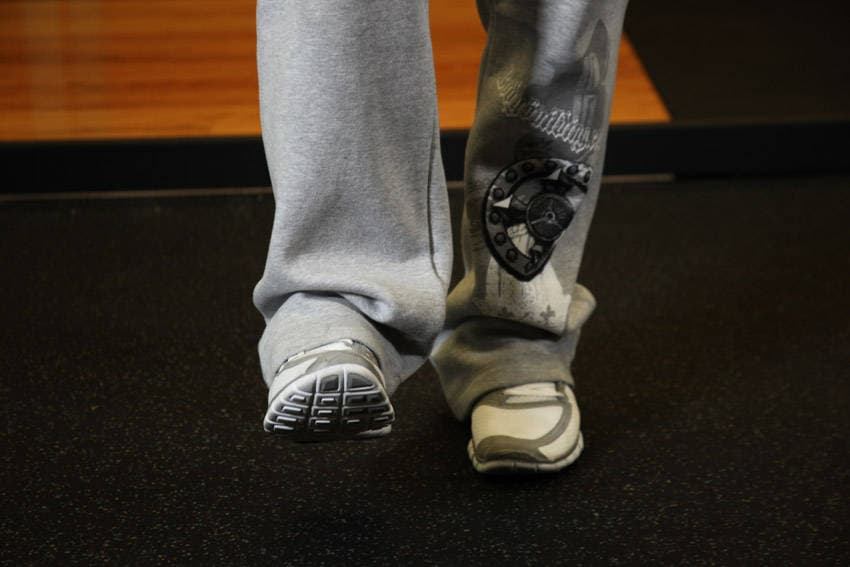
Ankle Circles