Team Sports
American Football
American football demands explosive power across every muscle group depending on position. Linemen need immense chest, shoulder, and leg strength for blocking. Skill players require fast-twitch power in the glutes, hamstrings, and calves for sprinting and cutting. Every position demands a strong core and neck for contact absorption.
Primary Muscles
Supporting Muscles
Primary Muscles
30Thigh
rectus femoris
The rectus femoris is the central quad muscle crossing both hip and knee, visible as the teardrop above your knee. It flexes the hip and extends the knee, powering sprints, jumps, and squats. Balanced development prevents knee pain in athletes.
Thigh
vastus intermedius
Deep central quad muscle under rectus femoris, extends knee powerfully. Core quad for squats and jumps.
Thigh
vastus lateralis
Largest quad on outer thigh, massive knee extender for lateral stability in lunges and sprints.
Thigh
vastus medialis
Teardrop inner quad (VMO) stabilizes patella, key for knee health in deep squats.
Hip
gemellus inferior
Small deep rotator in the hip, gemellus inferior laterally rotates and stabilizes the thigh. Works with piriformis in squats and pivots. Crucial for hip control in sports.
Hip
gemellus superior
Tiny hip muscle above ischial spine, gemellus superior laterally rotates femur. Assists in twisting sports and hip stability. Part of deep six rotators.
Hip
gluteus maximus
Largest hip muscle, gluteus maximus extends and externally rotates thigh for powerful hip thrust in squats, deadlifts, running. King of posterior chain.
Hip
gluteus medius
Side hip muscle for abduction and stabilization during single-leg stance in running, squats. Prevents Trendelenburg gait.
Hip
gluteus minimus
Deepest glute under medius, minimus abducts and internally rotates hip. Key stabilizer for balance in yoga, hiking.
Hip
piriformis
The piriformis is a deep hip rotator in the glutes, externally rotating the hip for balance in squats and deadlifts. Tightness often causes sciatica-like pain. Essential for hip mobility in athletes.
Hip
quadratus femoris
Deep hip external rotator between ischium/femur for leg stability in single-leg work. Prevents twisting injuries in sports.
Upper Arm
coracobrachialis
The coracobrachialis is a small shoulder flexor deep in the upper arm, bridging coracoid to humerus. It flexes and adducts the arm, stabilizing shoulder in presses. Adds inner arm density for balanced delts.
Shoulder
deltoid
The deltoid is the rounded shoulder cap muscle with anterior, middle, and posterior fibers covering the shoulder joint. It abducts, flexes, and extends the arm for raises and presses. Builds the V-taper and protects the rotator cuff.
Shoulder
infraspinatus muscle
Infraspinatus caps the back of the shoulder blade, externally rotating the arm for throwing and serving. Key rotator cuff muscle for shoulder stability in presses and pulls.
Chest
serratus anterior
Serratus anterior wraps from ribs to scapula, protracting and upwardly rotating the shoulder blade for punches and presses. 'Boxer's muscle' prevents winging, crucial for overhead athletes.
Shoulder
subscapularis
The subscapularis is the anterior rotator cuff muscle filling the scapula's subscapular fossa. It internally rotates the arm and stabilizes the shoulder joint. Crucial for fitness in presses, pulls, and preventing dislocations.
Shoulder
supraspinatus
The supraspinatus tops the rotator cuff on scapula's fossa, initiating shoulder abduction. Vital for overhead presses and impingement prevention in weight training.
Shoulder
teres major
The teres major is a thick muscle from lower scapula to humerus, adducting and internally rotating the arm. 'Lat's little helper' for pulling exercises like rows and pull-ups.
Shoulder
teres minor
The teres minor is a narrow rotator cuff muscle on scapula's lateral border, externally rotating and stabilizing the shoulder. Key for throwing and pressing without winging.
Chest
Abdominal part of left pectoralis major
The abdominal part of the left pectoralis major is the lower portion of the left chest's primary pushing muscle, attaching from the sternum down to the ribs near the abdomen. It drives shoulder adduction and flexion, crucial for powerful presses like bench variations and dips. Fitness enthusiasts target it for that defined lower chest line in bodybuilding.
Chest
Abdominal part of right pectoralis major
The abdominal part of the right pectoralis major forms the lower section of the right chest's main power muscle, spanning from the sternum to the abdominal ribs. It excels in adduction and flexion for presses and flyes, key for balanced chest development. Gym-goers love it for carving out that teardrop lower chest aesthetic.
Chest
Anterior papillary muscle of right ventricle
This cardiac muscle inside the right ventricle anchors mitral valve leaflets for proper heart pumping. Not skeletal, but endurance training optimizes heart efficiency. Matters for cardio performance indirectly.
Chest
Anterolateral head of lateral papillary muscle of left ventricle
Specialized head of left heart papillary muscle securing mitral valve for left ventricle ejection. Critical for oxygenated blood flow. Athletes benefit from cardiac hypertrophy here.
Chest
External intercostal muscle
External intercostals are thin muscles between the ribs that elevate them during inhalation, aiding deep breathing for core stability in lifts. They're vital for endurance athletes needing efficient oxygen uptake. Fitness training enhances respiratory muscle power.
Chest
Innermost intercostal muscle
Innermost intercostals are deep rib muscles aiding forced expiration like coughing. Support breathing in high-intensity training.
Chest
Internal intercostal muscle
Internal intercostals between ribs assist expiration and stabilize chest in lifts.
Chest
Lateral papillary muscle of left ventricle
Papillary muscle in heart's left ventricle anchors mitral valve to prevent backflow. Endurance training strengthens indirectly.
Chest
pectoralis major
The massive pectoralis major covers the chest, powering arm adduction, flexion, and rotation for bench presses and push-ups. It's the prime mover for upper body pushing strength in fitness. Building it creates that powerful chest aesthetic.
Chest
pectoralis minor
Under the pec major, the pectoralis minor stabilizes the scapula, aiding shoulder protraction in dips and push-ups. Key for shoulder health in overhead athletes. It prevents winging scapula in fitness training.
Chest
transversus thoracis
The transversus thoracis are thin muscle bands on the inner chest wall beneath the sternum. They compress the chest during forced exhalation and stabilize the ribs. Important for deep breathing control in fitness and core stability.
Supporting Muscles
111Thigh
biceps femoris
The biceps femoris is the lateral hamstring on the back of the thigh, with long and short heads forming a thick band from hip to knee. It flexes the knee, extends the hip, and rotates the leg outward, vital for running, jumping, and deadlifts. Key for posterior chain power and injury prevention.
Thigh
gracilis
Long, thin medial thigh muscle adducting and flexing knee. Aids cutting movements in soccer, stabilizing in squats.
Lower Leg
popliteus
The popliteus is a small knee muscle behind the joint that 'unlocks' the knee from full extension for flexion. Crucial for downhill running and pivoting in sports. Prevents knee hyperextension.
Thigh
semimembranosus
The semimembranosus is a posterior thigh hamstring forming the teardrop at knee back, flexing knee and extending hip. Powers deadlifts, lunges, and deceleration in sports. Prevents ACL strains by stabilizing.
Thigh
semitendinosus
Semitendinosus is the slender medial hamstring with a long tendon, flexing knee and extending hip. Aids in medial knee stability for cutting sports. Complements semimembranosus for balanced posterior chain.
Forearm
anconeus
Tiny elbow extensor at back upper forearm, stabilizes during pressing and gripping. Aids triceps in extensions. Powerlifters note its elbow lockout role.
Upper Arm
triceps brachii
The triceps brachii is the horseshoe-shaped muscle on the back of your upper arm with three heads. It extends the elbow for pushing movements like bench presses and dips. Crucial for arm strength, lockouts in lifts, and overall upper body power.
Abdomen
Diaphragm
The diaphragm is the dome-shaped breathing muscle separating chest from abdomen, contracting to inhale. Central tendon anchors it, essential for core bracing in lifts and endurance.
Pelvis
External anal sphincter
The external anal sphincter is a skeletal muscle ring around the anus that you can consciously control for bowel movements. It maintains continence during daily activities and is strengthened via Kegels for pelvic floor health. Important for athletes in high-impact sports to prevent incontinence.
Abdomen
external oblique
External obliques form the outer 'V' of your abs on each side, rotating and side-bending the torso while compressing the abdomen. They're powerhouse muscles for rotational power in sports like golf, boxing, and throws. Train them for a defined waist and core stability.
Hip
iliacus
The iliacus is the fan-shaped hip flexor filling your pelvis bowl, partnering with psoas to lift the thigh. Crucial for running, kicking, and rising from sits. Tight iliacus contributes to anterior pelvic tilt and lower back strain in fitness enthusiasts.
Abdomen
psoas major
The psoas major is a deep hip flexor from spine to thigh, lifting knees in running/squats. Core to posture and power; tightness causes low back pain.
Pelvis
pubococcygeus
Part of pelvic floor, the pubococcygeus supports bladder/bowel, aids continence and core stability. Crucial for intra-abdominal pressure in heavy lifts like squats.
Neck
arytenoid cartilage
Paired laryngeal cartilages in throat enabling voice production via vocal cord movement. Not muscle but closest for neck; singers train supporting muscles. Vital for breathing/speaking.
Neck
cervical rotator
Cervical rotators are deep neck muscles like obliquus capitis inferior and splenius cervicis that turn the head side-to-side. Located deep in the upper cervical spine, they enable rotation for looking over shoulder. Vital for neck mobility in sports and daily turns.
Neck
cricothyroid
The cricothyroid is a small intrinsic laryngeal muscle in the anterior neck, tensing vocal cords for higher pitch. Located between cricoid and thyroid cartilages, it's key for singing and speaking. Matters for vocal athletes like singers.
Neck
digastric
The digastric has anterior and posterior bellies under the jaw, opening the mouth by depressing mandible. Runs from mandible to mastoid via sling, key for chewing and yawning.
Head
genioglossus
Fan-shaped tongue muscle from chin to tongue base, genioglossus protrudes and depresses tongue. Vital for swallowing, speech, and breathing in fitness vocal training.
Neck
geniohyoid
Thin neck muscle under chin pulling hyoid forward/up, geniohyoid aids swallowing and tongue movement. Supports neck stability in planks.
Neck
hyoglossus
The hyoglossus is a thin tongue muscle running from the hyoid bone (under chin) up into the tongue's side. It depresses and retracts the tongue, aiding swallowing and speech. Rarely targeted in fitness, but dysfunction affects eating and breathing mechanics.
Neck
iliocostalis cervicis
Iliocostalis cervicis is the neck portion of the erector spinae, running vertically along upper back to cervical ribs. It extends and laterally bends the neck, vital for posture in overhead lifts and sports. Supports head stability in fitness.
Head
inferior oblique
Inferior oblique is an eye muscle under the eyeball, rotating it up and out. Matters for gaze stability in dynamic sports; strains rare but affect tracking.
Neck
inferior pharyngeal constrictor
Inferior pharyngeal constrictor wraps lower throat, constricting for swallowing. Supports airway protection.
Neck
lateral crico-arytenoid
Lateral crico-arytenoid closes vocal folds for voice and swallow.
Neck
lateral thyrohyoid ligament
Lateral thyrohyoid ligament connects thyroid to hyoid, stabilizing hyoid in swallow. Not a muscle; passive.
Head
levator palpebrae superioris
The levator palpebrae superioris is a small muscle located above the eye within the orbit that elevates the upper eyelid. It plays a crucial role in opening the eyes for clear vision during workouts and daily activities. Fitness enthusiasts care about it because eyelid fatigue or weakness can impair focus during intense training sessions.
Neck
levator scapulae
The levator scapulae runs from the upper neck vertebrae to the top of the shoulder blade, lifting the scapula toward the head. It's key for shrugging motions and stabilizing the shoulder during overhead lifts. Gym-goers target it indirectly through shrugs and neck training to prevent shoulder hikes and imbalances.
Head
levator veli palatini
This small muscle in the side of the throat lifts the soft palate during swallowing and speech. It helps seal off the nasal cavity for proper voice resonance and prevents food from entering the nose. Relevant for singers or those doing breathwork in fitness to maintain clear airways.
Neck
longissimus capitis
Part of the erector spinae group, the longissimus capitis extends from the upper back along the neck to the skull, turning and tilting the head. It stabilizes the head during heavy lifts like deadlifts. Strong neck extensors prevent whiplash and support posture in athletes.
Neck
longissimus cervicis
This erector spinae muscle spans the neck vertebrae, extending and stabilizing the cervical spine. It keeps the head aligned during upright posture and dynamic movements like cleans. Vital for neck resilience in contact sports and heavy training.
Neck
longus capitis
A deep anterior neck flexor, the longus capitis flexes the head forward and stabilizes cervical vertebrae. It counters posterior muscles during neck crunches or wrestling bridges. Key for balanced neck strength and preventing forward head posture.
Neck
longus colli
The longus colli is the primary deep neck flexor, spanning all cervical vertebrae to flex and stabilize the neck. Crucial for chin tucks and preventing slouched posture in long training sessions. Builds neck endurance for grapplers and cyclists.
Neck
Median thyrohyoid ligament
Not a muscle but a ligament connecting thyroid and hyoid bones in the midline neck, it supports hyoid elevation during swallowing. Indirectly aids strap muscles in fitness for better airway control. Rarely targeted but important for throat stability.
Neck
middle pharyngeal constrictor
This throat muscle constricts the pharynx during swallowing, forming the middle band around the airway. Supports powerful swallows in athletes consuming large meals or shakes. Maintains throat tone for vocal endurance.
Neck
mylohyoid
The mylohyoid forms the floor of the mouth, elevating the hyoid and floor during swallowing and speech. It supports tongue movement for chewing tough foods in bulking diets. Key for jaw stability in powerlifters.
Neck
oblique arytenoid
Paired muscles on the back of the larynx that close the vocal folds during phonation and protect airways. Aids forceful coughs and Valsalva in heavy lifts. Important for vocal control in coaches yelling sets.
Neck
obliquus capitis inferior
Deep suboccipital muscle rotating the atlas on axis for head turns. Stabilizes craniocervical junction during neck twists in sports. Critical for proprioception and dizziness prevention in rotational training.
Neck
obliquus capitis superior
Upper suboccipital extending and bending the head laterally while stabilizing occiput. Works with rotators for precise head control in aiming sports. Prevents atlanto-occipital instability.
Neck
omohyoid
Strap-like muscle with two bellies depressing the hyoid during swallowing and speech. Tautens neck skin and aids large bolus swallows in athletes. Prevents hyoid elevation overload.
Neck
platysma
The platysma is a thin sheet-like muscle under the chin and neck skin, depressing the jaw and lower lip for expressions. Helps in neck stability during shrugs. Fitness note: resists 'neck bands' with age.
Neck
posterior crico-arytenoid
The posterior crico-arytenoid is the sole abductor of the vocal folds, essential for breathing by opening the airway. Vital for singers and athletes needing vocal control. Weakness affects breathing endurance.
Neck
rectus capitis anterior
Short neck flexor at base of skull flexing upper cervical spine for head nod. Stabilizes head in shrugs, prevents forward head posture.
Neck
rectus capitis lateralis
Lateral upper cervical flexor stabilizing side-bending head for gaze control. Aids neck endurance in upright posture.
Neck
rectus capitis posterior major
The rectus capitis posterior major is a small deep neck muscle at the base of your skull, running from the upper cervical spine to the occiput. It extends and rotates the head, helping maintain upright posture during daily activities and workouts. Strong suboccipitals like this one prevent forward head posture common in desk workers and lifters.
Neck
rectus capitis posterior minor
This tiny deep neck muscle sits just below the occiput, connecting the atlas to the skull. It assists in head extension and rotation, crucial for stabilizing your head during heavy lifts or prolonged sitting. Weakness contributes to chronic neck stiffness in fitness enthusiasts.
Neck
scalenus anterior
The anterior scalene anchors from neck vertebrae to first rib, aiding neck flexion and arm elevation. It lifts the first rib during deep breaths, important for overhead athletes. Tension contributes to thoracic outlet issues.
Neck
scalenus medius
The middle scalene runs from cervical transverse processes to first rib, assisting neck lateral flexion and rib elevation. Crucial for breathing during intense workouts and shoulder stability. Often tight in cyclists and throwers.
Neck
scalenus posterior
The posterior scalene attaches lower cervical vertebrae to second rib, flexing neck and aiding inhalation. Supports posture in endurance sports by stabilizing ribs. Less commonly injured but tightens with chronic coughs.
Neck
semispinalis capitis
This thick muscle spans upper thoracic and lower cervical to occiput, extending and rotating the head. Buffers heavy axial loads in powerlifters and stabilizes during shrugs. Key for countering forward head in tech users.
Neck
semispinalis cervicis
The semispinalis cervicis runs from upper thoracic to cervical transverse processes, extending the neck. Supports head during upright posture and overhead presses. Vital for cervical stability in contact sports.
Neck
Set of anterior cervical intertransversarii
These small muscles run between the transverse processes of adjacent cervical vertebrae in the front of the neck. They assist in lateral flexion and slight rotation of the neck, helping maintain proper head alignment during movement. Fitness enthusiasts care because they support neck stability in exercises like overhead presses or deadlifts.
Neck
Set of interspinales cervicis
Tiny paired muscles between spinous processes of cervical vertebrae, aiding neck extension and stabilization. They help maintain posture during upper body lifts. Relevant for neck strength in fitness routines.
Neck
Set of posterior cervical intertransversarii
Back neck muscles between transverse processes for lateral flexion/rotation opposite to anterior.
Neck
splenius capitis
Broad muscle upper neck/shoulder blade extends/rotates head. Key for neck strength in presses.
Neck
splenius cervicis
Lower splenius extends/rotates cervical spine.
Neck
sternocleidomastoid
Prominent neck muscle turns/tilts head, flexes neck, aids breathing. Visible in fitness for posture/aesthetics.
Neck
sternohyoid
The sternohyoid is a thin, strap-like muscle in the anterior neck that runs from the sternum to the hyoid bone. It depresses the hyoid bone during swallowing and speaking, stabilizing the larynx. For fitness enthusiasts, it's key for neck stability in exercises like deadlifts or overhead presses, preventing strain during heavy breathing.
Neck
sternothyroid
The sternothyroid lies deep in the anterior neck, connecting the sternum to the thyroid cartilage. It depresses the larynx for swallowing and voice modulation. Fitness folks value it for neck resilience during compound lifts or contact sports.
Neck
stylohyoid
The stylohyoid is a slender muscle from the skull's styloid process to the hyoid bone in the upper neck. It elevates and retracts the hyoid during swallowing. Important for fitness in maintaining neck posture during dynamic movements like cleans.
Neck
stylohyoid ligament
The stylohyoid ligament is a fibrous band connecting the skull's styloid process to the hyoid bone, providing passive stability in the upper neck. It doesn't contract but supports hyoid movement during swallowing. Relevant for fitness in assessing neck tension from poor posture.
Neck
stylopharyngeus
The stylopharyngeus elevates the pharynx and larynx from the skull's styloid to the pharyngeal wall. It aids swallowing and speech by lifting the throat. Fitness relevance: supports airway patency during intense workouts.
Head
superior oblique
The superior oblique is an extrinsic eye muscle originating near the nose, passing through a pulley to depress and intort the eyeball. It controls downward/outward gaze. Fitness note: eye stability aids visual tracking in sports.
Neck
superior pharyngeal constrictor
The superior pharyngeal constrictor forms the upper pharynx wall, constricting to propel food during swallowing. Originates from skull base to pharynx. Supports safe swallowing in athletes under exertion.
Head
Tendon of right levator palpebrae superioris
The tendon of the right levator palpebrae superioris attaches the muscle to the eyelid, elevating the upper lid for vision. Specific to right eye. Aids blink-free focus in precision sports.
Neck
thyro-arytenoid
The thyro-arytenoid adjusts vocal ligament tension inside larynx for pitch. Key for vocal athletes like singers.
Neck
thyrohyoid
Thyrohyoid elevates thyroid or depresses hyoid for swallow. Short neck muscle.
Neck
thyrohyoid membrane
Fibrous sheet between thyroid and hyoid, stabilizing larynx.
Neck
Transverse arytenoid
The transverse arytenoid is a single small muscle between the arytenoid cartilages in your larynx (voice box). It pulls them together to close the vocal folds for phonation and swallowing. Vital for voice production and airway protection, though not directly trained in fitness.
Head
Trochlea of left superior oblique
The trochlea is a cartilage pulley at the medial eye socket for the left superior oblique muscle tendon. It redirects the tendon to enable eye intorsion, depression, and abduction. Critical for coordinated eye movements, though not a muscle itself.
Head
Trochlea of right superior oblique
The trochlea is a cartilage pulley at the medial orbit for the right superior oblique muscle tendon. It enables precise eye intorsion, depression, and abduction. Key for binocular vision coordination.
Head
Uvular muscle
The uvular muscle elevates the uvula (soft palate dangler) during swallowing and speech. Aids gag reflex and velopharyngeal closure. Minor role in fitness but key for swallowing.
Neck
Vertical intermediate part of left longus colli
Vertical intermediate fibers of left longus colli flex neck laterally and forward. Deep neck stabilizer for posture.
Foot
Abductor digiti minimi of left foot
This small muscle on the outer edge of the left foot spreads the little toe away from the others, aiding balance and push-off in gait. It's vital for foot arch stability during running or lateral movements. Runners and athletes appreciate its role in preventing foot pronation issues.
Foot
Abductor digiti minimi of right foot
This muscle runs along the outer arch of the right foot, abducting the little toe to support lateral stability and toe-off in walking. Essential for preventing supination injuries in trail running. It matters for overall foot mechanics in dynamic sports.
Foot
abductor hallucis
This medial foot muscle abducts and flexes the big toe, supporting the arch and propulsion in walking or sprinting. Key for preventing flat feet and plantar fasciitis. Runners target it for injury prevention and efficiency.
Foot
adductor hallucis
Inner foot muscle adducts the big toe, stabilizing the transverse arch during toe-off. Prevents hallux valgus and aids propulsion. Important for barefoot training enthusiasts.
Foot
extensor hallucis brevis
The extensor hallucis brevis is a small muscle on the top of the foot that specifically extends the big toe (hallux). It works alongside other extensors to lift the toes during walking or running, preventing toes from dragging. For fitness enthusiasts, it's key for foot stability in activities like sprinting or plyometrics.
Lower Leg
extensor hallucis longus
The extensor hallucis longus runs down the front of the lower leg and extends the big toe while also assisting in dorsiflexion of the ankle. It's crucial for clearing the foot during the swing phase of gait in runners and athletes. Strong EHL prevents foot drop and enhances explosive movements like jumping.
Lower Leg
fibularis brevis
The fibularis brevis, aka peroneus brevis, lies low on the outer lower leg and everts the foot while plantarflexing it. It's essential for lateral stability in running, surfing, or agility drills. Fitness athletes strengthen it to prevent ankle rolls.
Lower Leg
fibularis longus
The fibularis longus runs along the outer lower leg, crossing under the foot to evert and stabilize the arch. It powers push-off in sprinting and side-to-side movements. Crucial for runners to avoid ankle sprains and maintain foot alignment.
Lower Leg
fibularis tertius
The fibularis tertius is a small muscle on the front-outer lower leg that assists in dorsiflexion and eversion. It's active in quick foot lifts during running or hiking. Often absent, but when present, aids ankle agility in sports.
Foot
First lumbrical of left foot
The first lumbrical of the left foot is a small worm-like muscle that flexes the big toe's base and extends its tip, stabilizing during gait. It fine-tunes toe position for balance in yoga or barefoot training. Key for foot intrinsic strength.
Foot
First lumbrical of right foot
The first lumbrical of the right foot flexes the big toe's proximal joint and extends the distal one for precise foot control. Essential for push-off in unilateral sports like kicking. Builds foot dexterity for minimalist shoe training.
Foot
flexor accessorius
Flexor accessorius (quadratus plantae) is a flat muscle in the sole of the foot that assists flexing the lateral toes. It aligns toe flexors for even toe curl in gripping surfaces. Useful for climbers and martial artists needing foot grip.
Foot
Flexor digiti minimi brevis of left foot
This small muscle in the left foot's sole flexes the pinky toe at its base. It aids toe grip for balance on uneven terrain. Relevant for barefoot runners enhancing foot intrinsics.
Foot
Flexor digiti minimi brevis of right foot
Right foot's flexor digiti minimi brevis flexes the pinky toe base, aiding lateral stability. Supports arch in lateral movements. Train for foot resilience.
Foot
flexor digitorum brevis
Flexor digitorum brevis in the foot sole flexes the four lateral toes at their base for propulsion and balance. Critical for arch support and barefoot stability in fitness.
Lower Leg
flexor digitorum longus
The flexor digitorum longus is a powerful muscle in the deep posterior compartment of the lower leg, running from the tibia down to the toes. It flexes the four smaller toes and assists in plantarflexion at the ankle, helping with push-off during walking, running, and jumping. Strong flexors like this are crucial for balance, propulsion, and preventing foot drop in athletes.
Foot
flexor hallucis brevis
The flexor hallucis brevis is a short muscle in the sole of the foot that flexes the big toe's proximal joint. It stabilizes the arch during walking and running, crucial for propulsion and balance in barefoot training or sprinting. Weakness contributes to flat feet and poor push-off power.
Lower Leg
flexor hallucis longus
Running deep in the calf's posterior compartment, the flexor hallucis longus flexes the big toe and plantarflexes the ankle. It's essential for powerful push-off in sprinting, ballet, and hill running. Athletes rely on it for toe grip on uneven terrain.
Foot
Fourth lumbrical of left foot
The fourth lumbrical of the left foot is a small intrinsic muscle flexing the 4th toe's base and extending its middle/distal joints. It fine-tunes toe position for balance on uneven surfaces during hikes or agility drills. Helps prevent claw toes.
Foot
Fourth lumbrical of right foot
Small worm-like muscle in right foot sole, the fourth lumbrical flexes metatarsophalangeal joint and extends IP joints of 4th toe. Aids precise foot control in sports like soccer. Prevents toe curling issues.
Lower Leg
gastrocnemius
The gastrocnemius forms the visible calf bulge, crossing knee and ankle for explosive plantarflexion. Key for sprinting, jumping, and calf raises. Two heads make it powerful for athletic propulsion.
Lower Leg
plantaris
The plantaris is a thin, vestigial calf muscle aiding knee flexion and plantarflexion, like a minor gas pedal muscle. Often ruptured without issue due to redundancy. Useful for explosive calf power in jumping.
Lower Leg
soleus
Broad flat muscle deep to gastrocnemius in calf, plantarflexes ankle for standing/walking. Powers propulsion in running/squats; endurance king.
Lower Leg
tibialis posterior
Hidden deep in the calf behind the tibia, the tibialis posterior supports your arch and stabilizes the ankle. It inverts the foot and assists plantarflexion, vital for push-off in running and preventing flat feet. Weakness leads to overpronation and foot pain during activity.
Pelvis
iliococcygeus
The iliococcygeus forms the back part of the pelvic floor, spanning from pelvis to tailbone, supporting organs and pelvic stability. Important for core integrity in heavy lifts and preventing incontinence. Weakness shows in squats or postpartum.
Lower Back
iliocostalis lumborum
Iliocostalis lumborum is the lumbar erector spinae muscle along the back, from iliac crest to lower ribs, maintaining upright posture and spinal extension. Critical for deadlifts, squats, and anti-rotation core work.
Upper Back
longissimus thoracis
The longest erector spinae muscle, running parallel to the spine from sacrum to mid-back, it extends the spine and maintains upright posture. Essential for deadlifts, squats, and spinal stability in powerlifting. Weakness leads to back rounding under load.
Lower Back
lumbar rotator
Lumbar rotators (multifidus and rotatores lumborum) are deep spinal muscles that rotate and stabilize individual lumbar vertebrae. They prevent twisting injuries during rotational lifts like Russian twists. Essential for core stability in CrossFit and golf swings.
Upper Back
semispinalis thoracis
Semispinalis thoracis is a deep erector spinae muscle from thoracic spine, extending the vertebral column. Maintains thoracic posture during deadlifts and rows. Prevents slouching in prolonged sitting.
Lower Back
serratus posterior inferior
Deep muscle from lower thoracic spine to lower ribs, draws ribs down and back for exhalation. Aids breathing in heavy lifts like deadlifts.
Lower Back
Set of interspinales lumborum
Small muscles between lumbar spinous processes that extend and stabilize the lower back. Key for spinal integrity during squats and deadlifts. Fitness pros target them for back health.
Upper Back
Spinalis
Medial erector spinae column spanning thoracic/cervical, extends spine unilaterally/ bilaterally. Core for upright posture in lifts.
Pelvis
Tendinous arch of levator ani
The tendinous arch of levator ani is a fibrous white line on the pelvic sidewall anchoring levator ani muscles for pelvic floor support. It transmits fascia for stability during lifts. Critical for core integrity in squats and deadlifts.
Upper Back
Ascending part of left trapezius
Upper fibers of left trapezius elevate and retract scapula for shrugs and pulls. Key for posture and overhead strength. Left-side focus corrects imbalances.
Neck
Ascending part of right trapezius
The ascending part of the right trapezius is the uppermost portion of the trapezius muscle on the right side, running from the base of the skull and upper cervical spine up toward the clavicle and shoulder. It elevates the scapula (shoulder blade) and assists in neck extension and rotation, crucial for shrugging movements and maintaining upright posture during lifts. Strong ascending traps prevent neck strain in overhead presses and rows.
Upper Back
Descending part of left trapezius
The descending part of the left trapezius fibers run downward from neck to scapula on the left side, aiding scapular depression and upward rotation. Key for pull-ups and lat work, preventing shoulder hike.
Upper Back
Descending part of right trapezius
The descending part of the right trapezius fibers slope from occiput to right scapula, depressing and upwardly rotating the scapula. Essential for balanced shoulder mechanics in bilateral lifts.
Upper Back
trapezius
The trapezius is your large, diamond-shaped upper back muscle from neck to mid-back and shoulders. It elevates, retracts, and depresses the scapulae for shrugging, pulling, and posture. Essential for overhead lifts, neck stability, and preventing rounded shoulders.
Chest
serratus anterior
Serratus anterior wraps from ribs to scapula, protracting and upwardly rotating the shoulder blade for punches and presses. 'Boxer's muscle' prevents winging, crucial for overhead athletes.
Recommended Exercises
12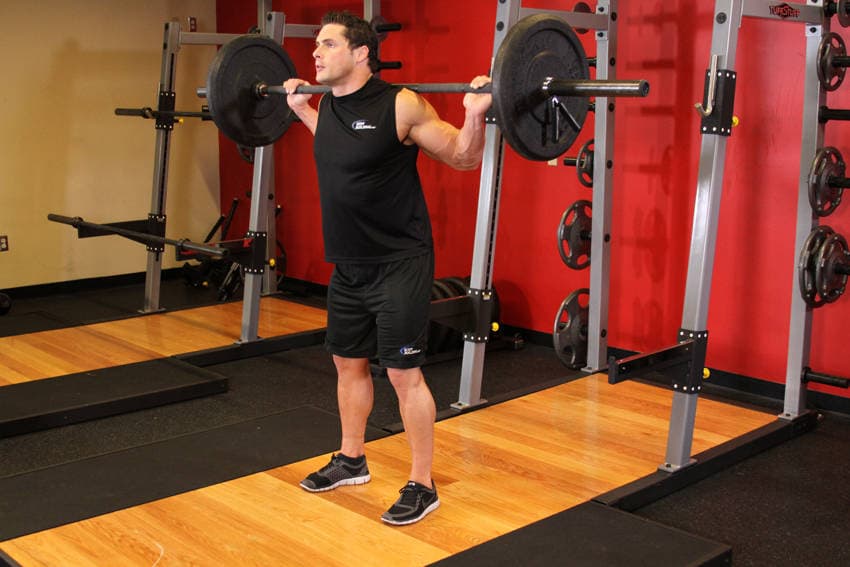
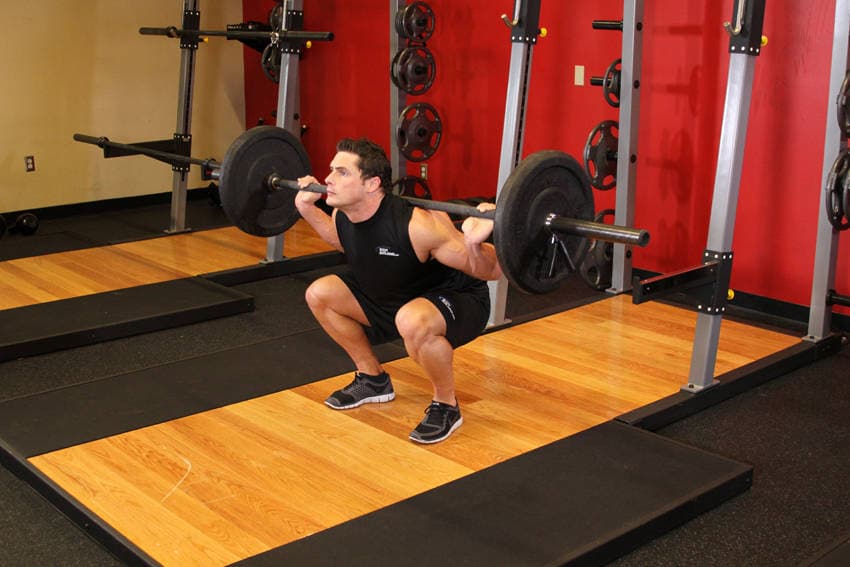
Barbell Full Squat


Barbell Bench Press - Medium Grip
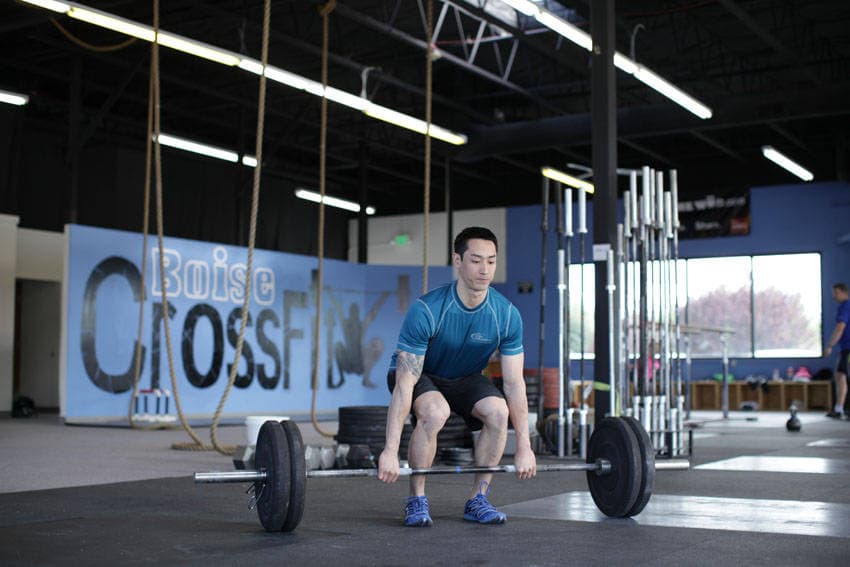
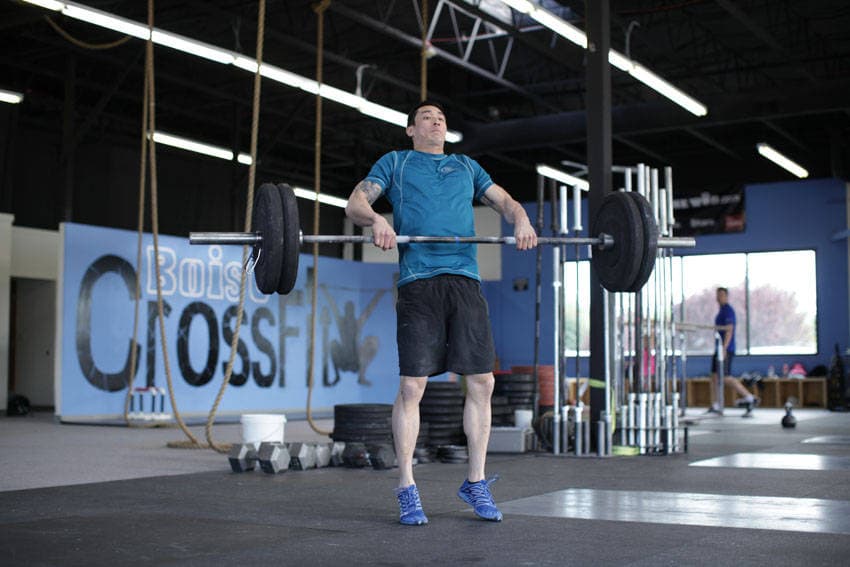
Power Clean
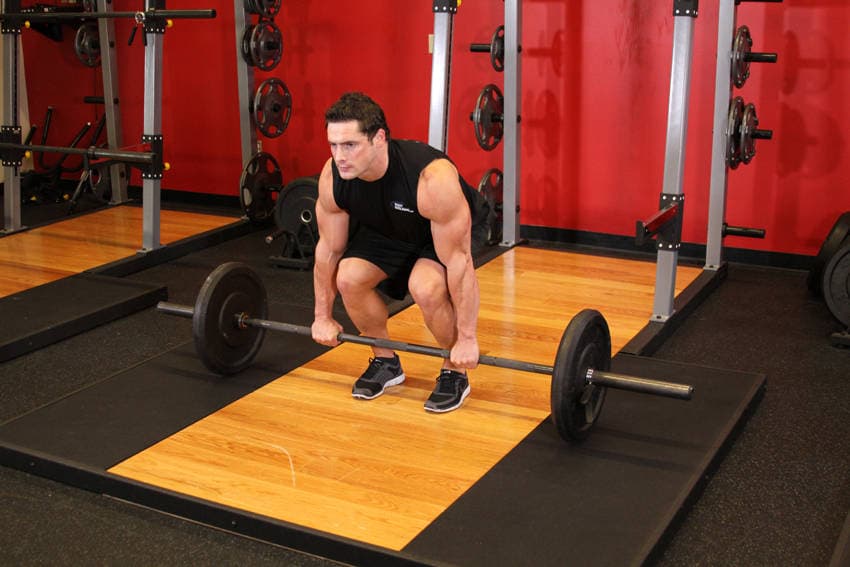
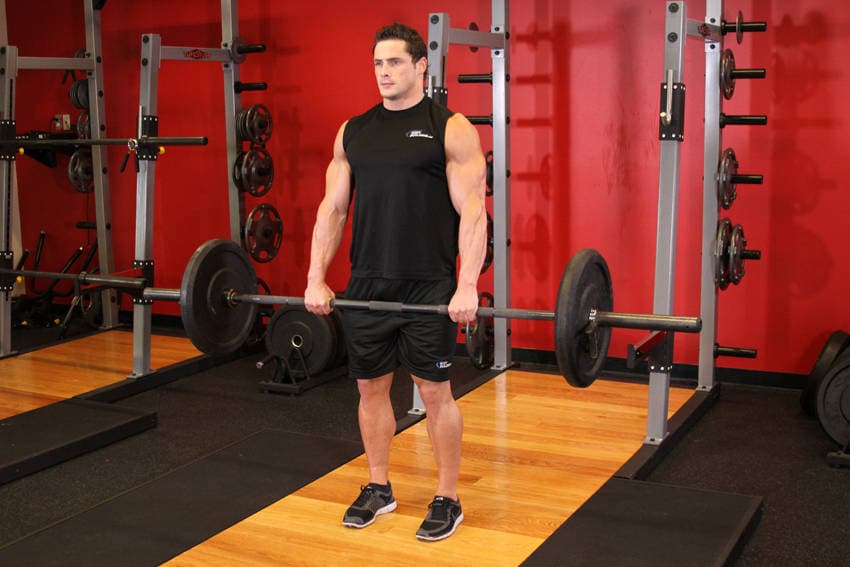
Barbell Deadlift
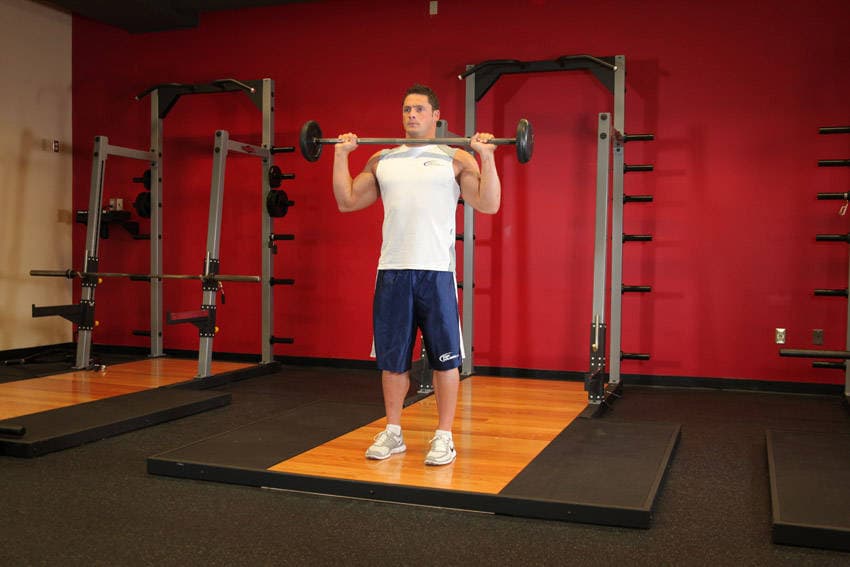
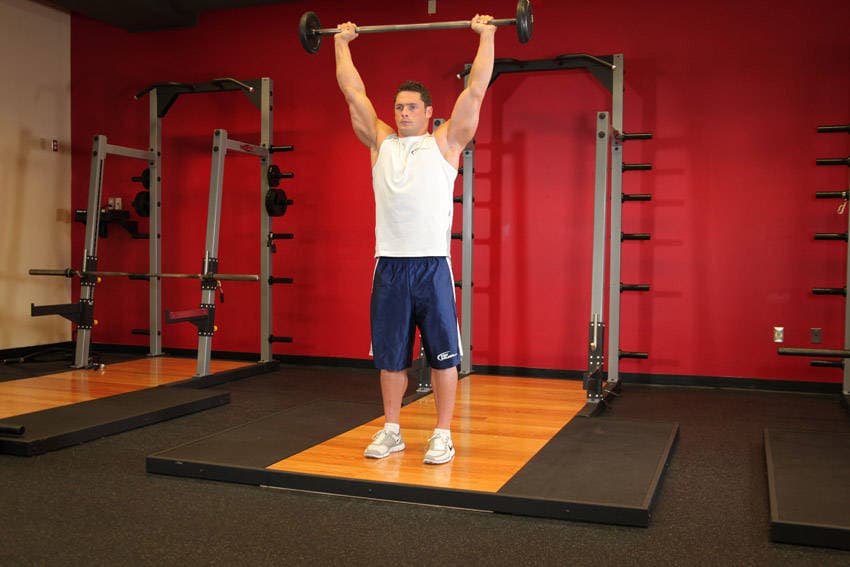
Standing Military Press
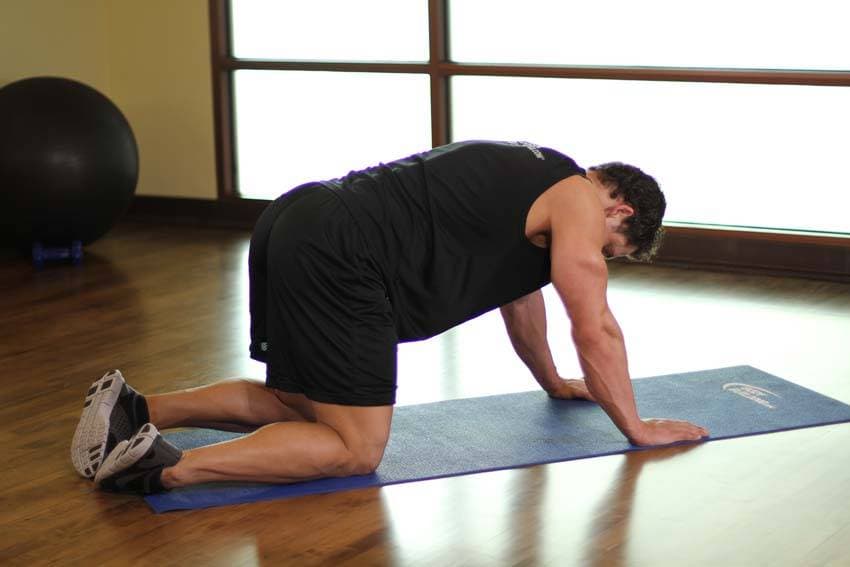
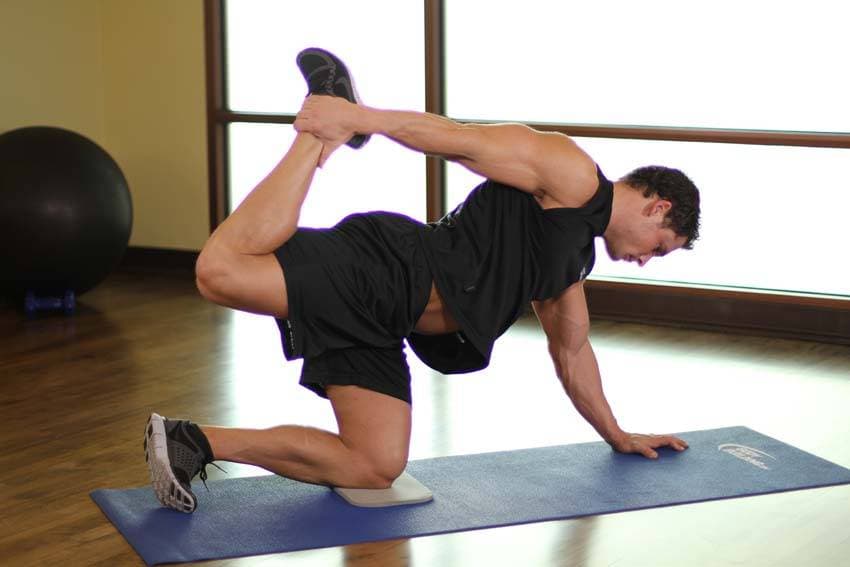
All Fours Quad Stretch
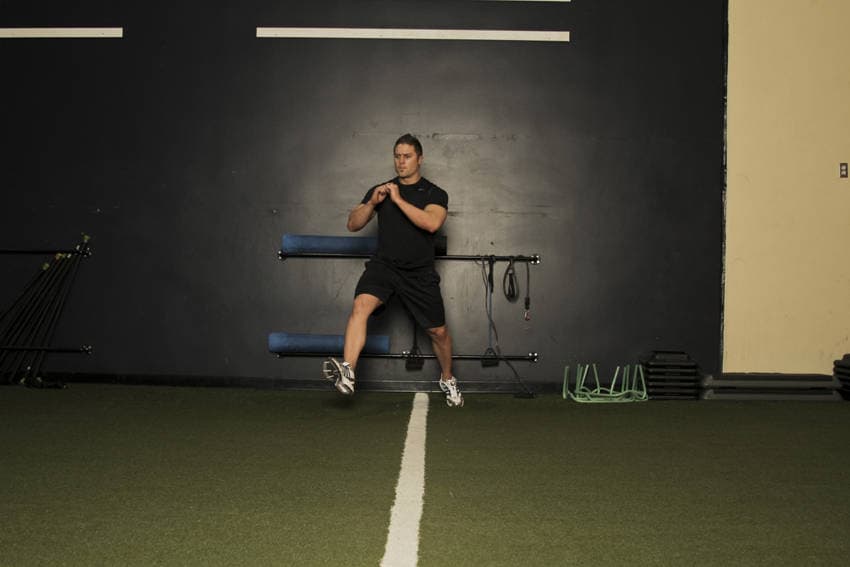
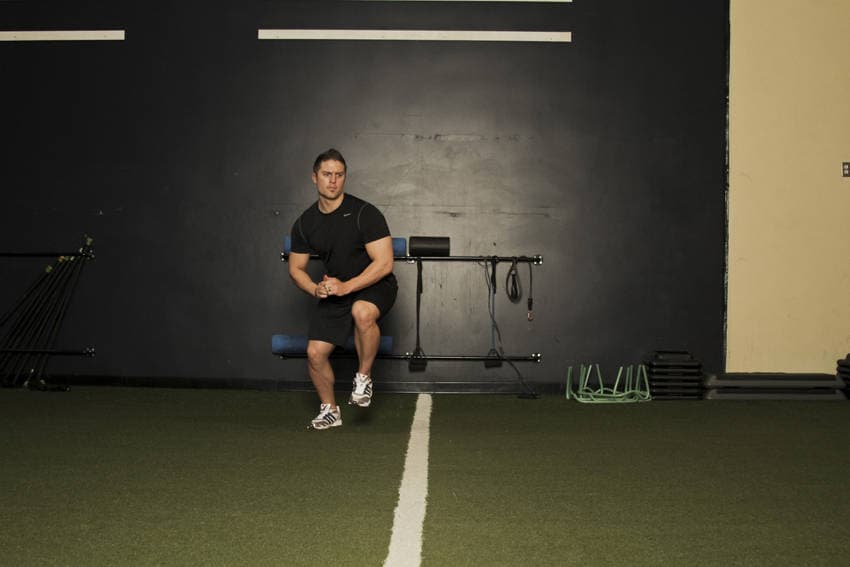
Alternate Leg Diagonal Bound
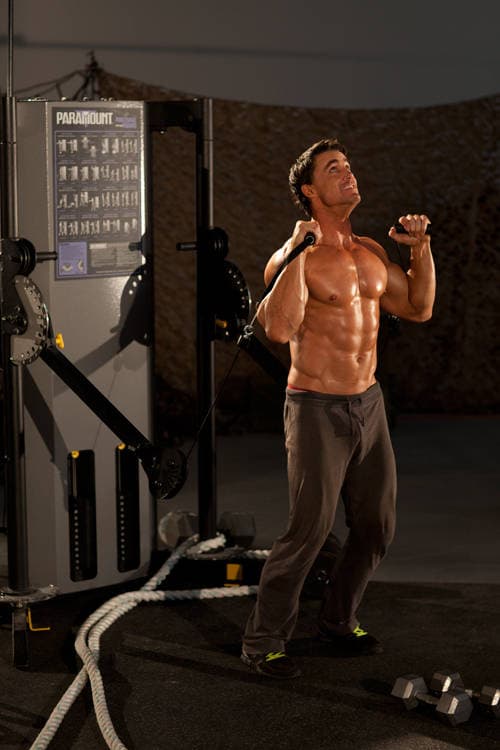
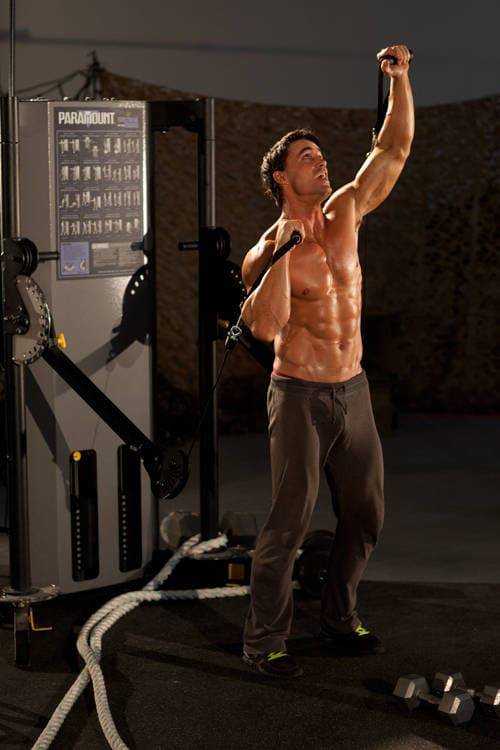
Alternating Cable Shoulder Press
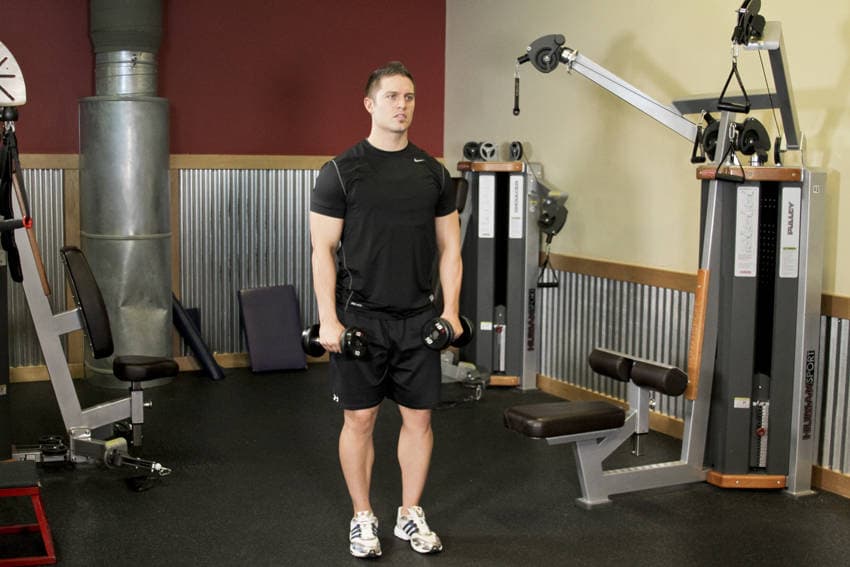
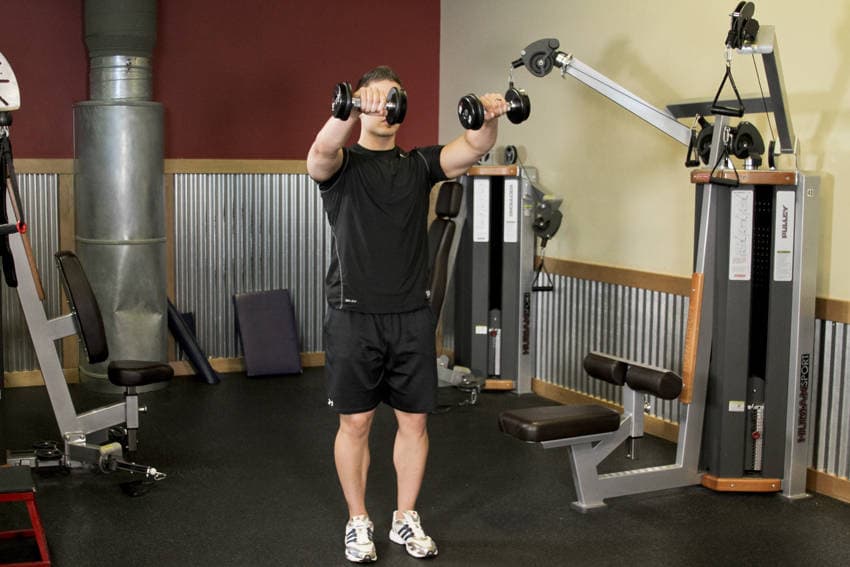
Alternating Deltoid Raise
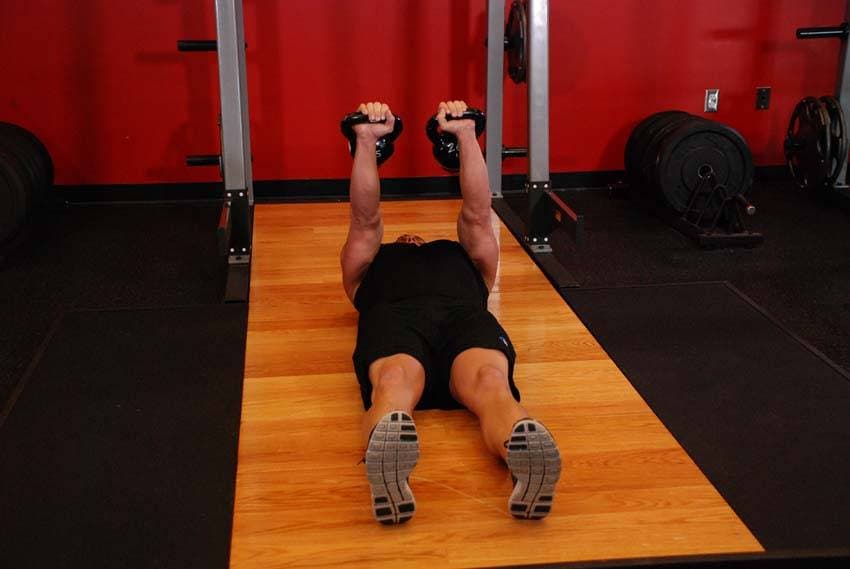
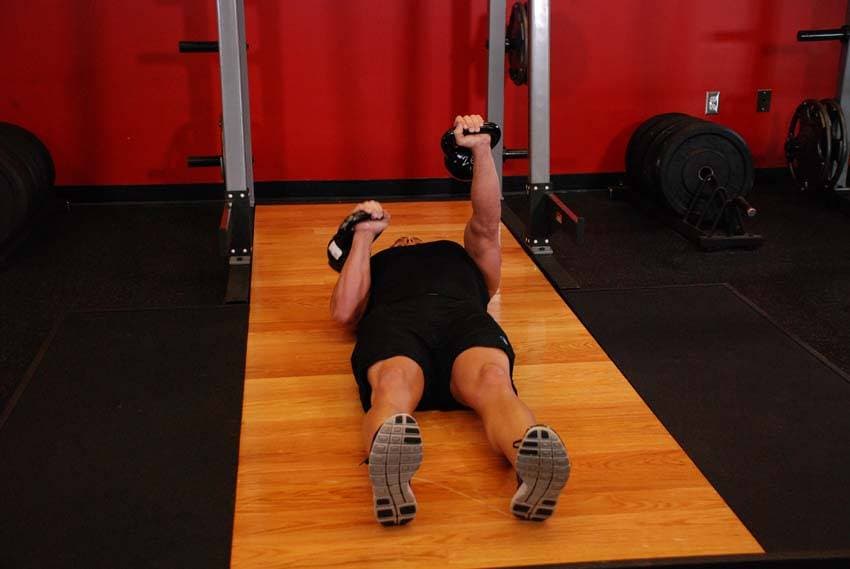
Alternating Floor Press
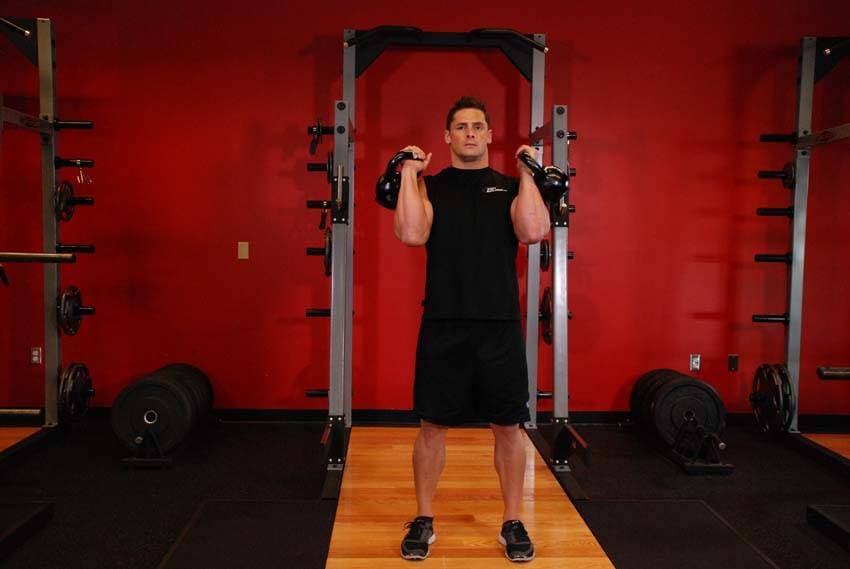
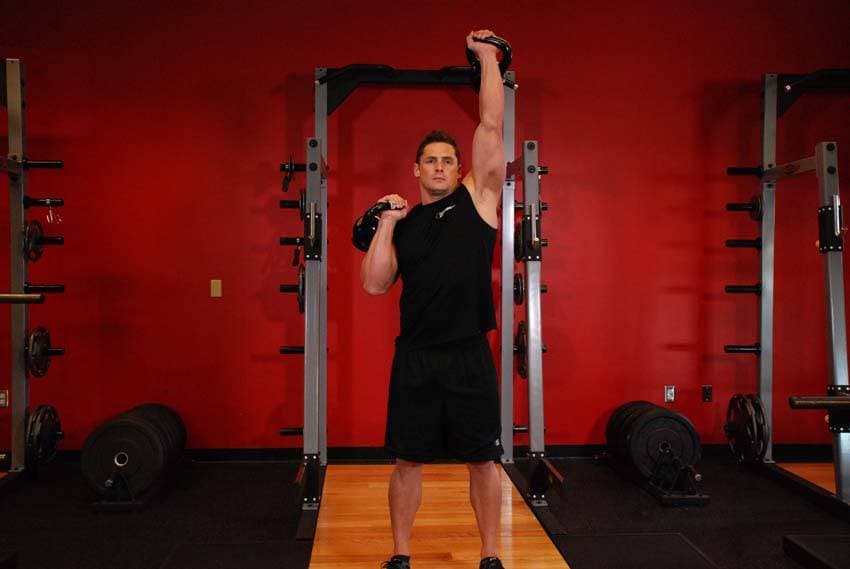
Alternating Kettlebell Press